

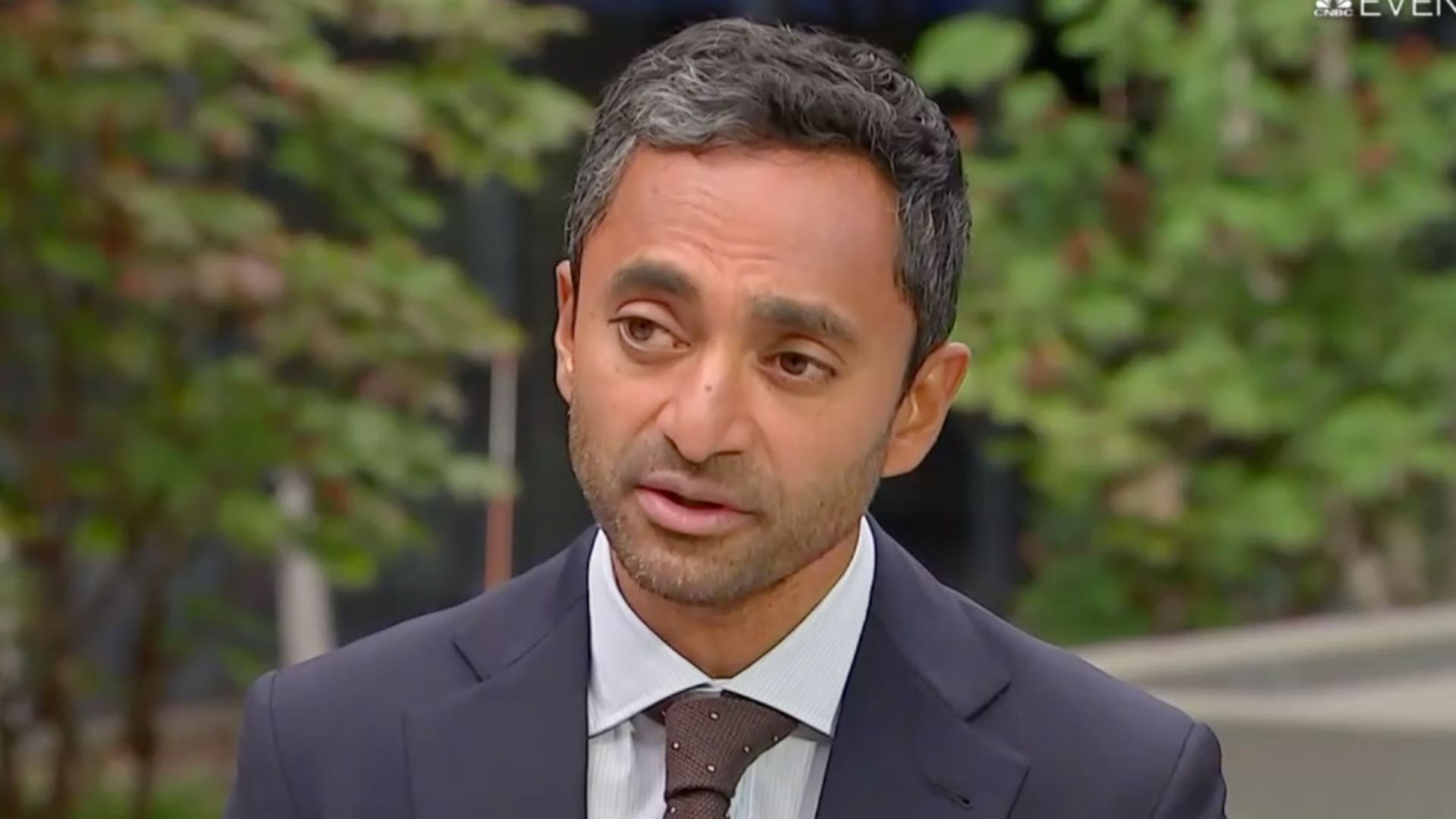
- Tech investor Chamath Palihapitiya said AI usage could negatively impact some companies’ earnings.
- “CEOs and the CFOs, in my opinion, probably have no idea how much tokenmaxxing is going on inside of their organizations,” Palihapitiya told CNBC.
- He is part of a growing chorus of investors and tech executives who are cautioning that the tokenmaxxing era is coming to an end.
watch now
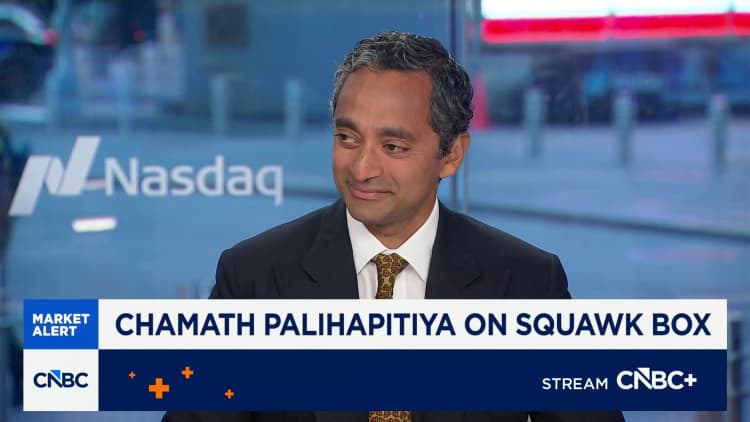
Tech investor Chamath Palihapitiya on Tuesday said artificial intelligence usage could negatively impact some companies’ earnings, in part because C-suite executives will have to contend with spending that they “didn’t know existed inside of their organization.”
“CEOs and the CFOs, in my opinion, probably have no idea how much tokenmaxxing is going on inside of their organizations,” Palihapitiya told CNBC. “I suspect what’ll happen is one day you’re going to have a miss, and EPS will be off by a few pennies, and the CEO will say to the CFO, ‘What happened?'”
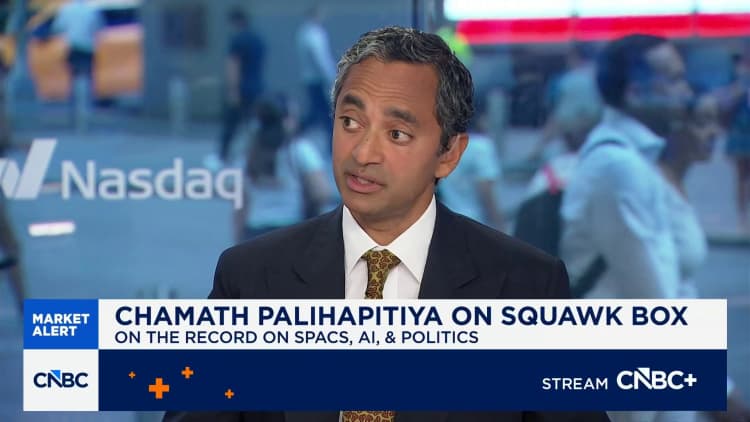
Palihapitiya is the founder of the investment firm Social Capital, the CEO of the AI company 8090 and a host of a tech podcast called “All-In.” He is a controversial figure in Silicon Valley because of his role in heavily promoting special purpose acquisition companies, or SPACs, during the Covid pandemic, many of which have since shuttered and resulted in substantial losses for investors
“Who didn’t make money? Speculators,” Palihapitiya said Tuesday. “Now, do I feel bad for them? Yes. Were my incentives misaligned with them? Also yes.”
Palihapitiya said there were “some parts” of those investments that worked, but he added that it was a “huge mistake” to promote the SPACs on social media and CNBC. He launched a new SPAC, the American Exceptionalism Acquisition Corp. A (AEXA), last year, which is designed to target companies in AI, energy, defense and decentralized finance
In 2024, Palihapitiya founded 8090, a company that’s building a platform where people can collaborate with AI agents to develop enterprise software. The company announced a $135 million funding round led by Salesforce in June
Palihapitiya is also one of a growing chorus of investors and tech executives who are cautioning that the era of so-called tokenmaxxing, where employers have incentivized staffers to use as much AI as possible, is over. He said in March that his company’s AI spending is trending toward <a href="https://todaytrendnews7.com/ibm-stock-closes-down-more-than-25-after-preannounced-earnings-results/" title="IBM stock closes down more than 25% after preannounced earnings results”>more than $10 million a year, which “feels very scary” as the founder of a small startup.”Anyways, just sharing our current lived experience as I suspect many other companies are also feeding this revenue ramp without getting any meaningful ROI from it,” he wrote in a post on X at the time.
Palihapitiya’s comments about AI spend on Tuesday echo the concerns shared by Palantir CEO Alex Karp, who sharply criticizedOpenAI and Anthropic for their token-based pricing models earlier this month
“I’m not throwing shade at them, but something has gone completely wrong,” Karp told CNBC’s “Squawk Box.” “The basic view among enterprises in this country is I’m going to chillax and waste my time with tokens.”
watch now
Choose CNBC as your preferred source on Google and never miss a moment from the most trusted name in business news.


Read More
