

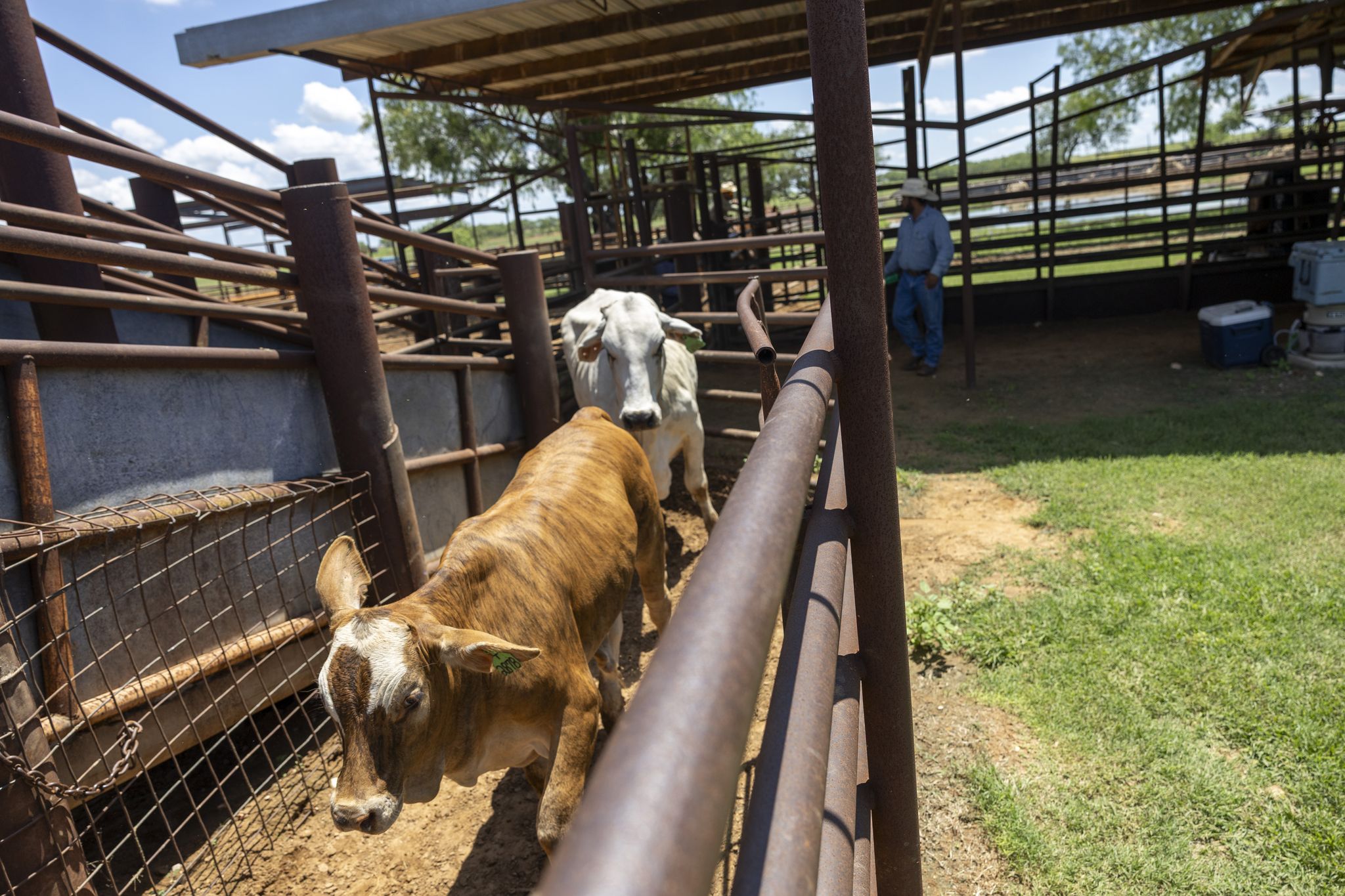
The United States will reopen parts of the southern border to Mexican cattle imports in August after keeping it closed for more than a year to prevent the spread of the New World screwworm, a flesh-eating parasite that infects calves and threatens the cattle industry
The port of entry for cattle in Douglas, Ariz., will reopen on Aug. 24, the U.S. Department of Agriculture said
Article continues below this ad
Forty-two screwworm cases had been reported in the U.S. as of Friday, according to the USDA. All but one case has been in Texas
The Trump administration closed the border to cattle imports in spring 2025 in response to a rise in screwworm cases in northern Mexico. The Biden administration had cut off imports for the same reason in 2024 but President Donald Trump reopened it shortly after taking office in January 2025
Screwworm flies lay eggs in open wounds and feed on living flesh, damaging — and often killing — live<a href="https://todaytrendnews7.com/top-3-us-stock-market-stories-from-this-week/” title=”Top 3 US Stock Market Stories From This Week”>stock. In rare cases, the maggots can infect humans
Make us a Preferred Source on Google to see more of us when you search.
Add Preferred Source
They pose a major threat to Texas’ $17 billion cattle industry, which produces more beef than any other state in the U.S. The flies can also infest any warm-blooded animals, including pets.
Article continues below this ad
“The closure of the Southern ports of entry for the last year has been a tough but necessary action to control the spread of NWS in Mexico and protect the American livestock industry,” Agriculture secretary Brooke Rollins said in a statement
The plan to reopen the border to cattle is contingent upon Mexico adhering to a joint action plan to combat the screwworm outbreak, the USDA said in a statement. Every animal that crosses the border will be screened for screwworm.
Texas Agriculture Commissioner Sid Miller praised the move
Article continues below this ad
“Resuming cattle importation from Mexico is the right move for ranchers and American consumers, but it’s a decision that should have been made sooner,” Miller said in a statement. “While I’m pleased to see this important trade relationship restored, the prolonged closure has already taken a toll on producers, disrupted supply chains, and created uncertainty that could have lasting consequences for the cattle industry.”
The fight against the parasite is ongoing
The Texas Animal Health Commission has restricted the movement of cattle in 22 different Texas counties due to the parasite. Any warm-blooded animal in a so-called “Infested Zone” can’t leave the area without approval from the state
