

This is a paid press release. Contact the press release distributor directly with any enquiries.
Artificial Intelligence, Adaptive Radiotherapy and Treatment Automation Transform Global Cancer Care
Research and Markets
Fri, 17 July 2026 at 1:34 pm GMT+5:30
9 min read
Opportunities span precision and AI-enabled radiotherapy, shorter regimens, digital workflow modernization, workforce training and expanded access in underserved regions
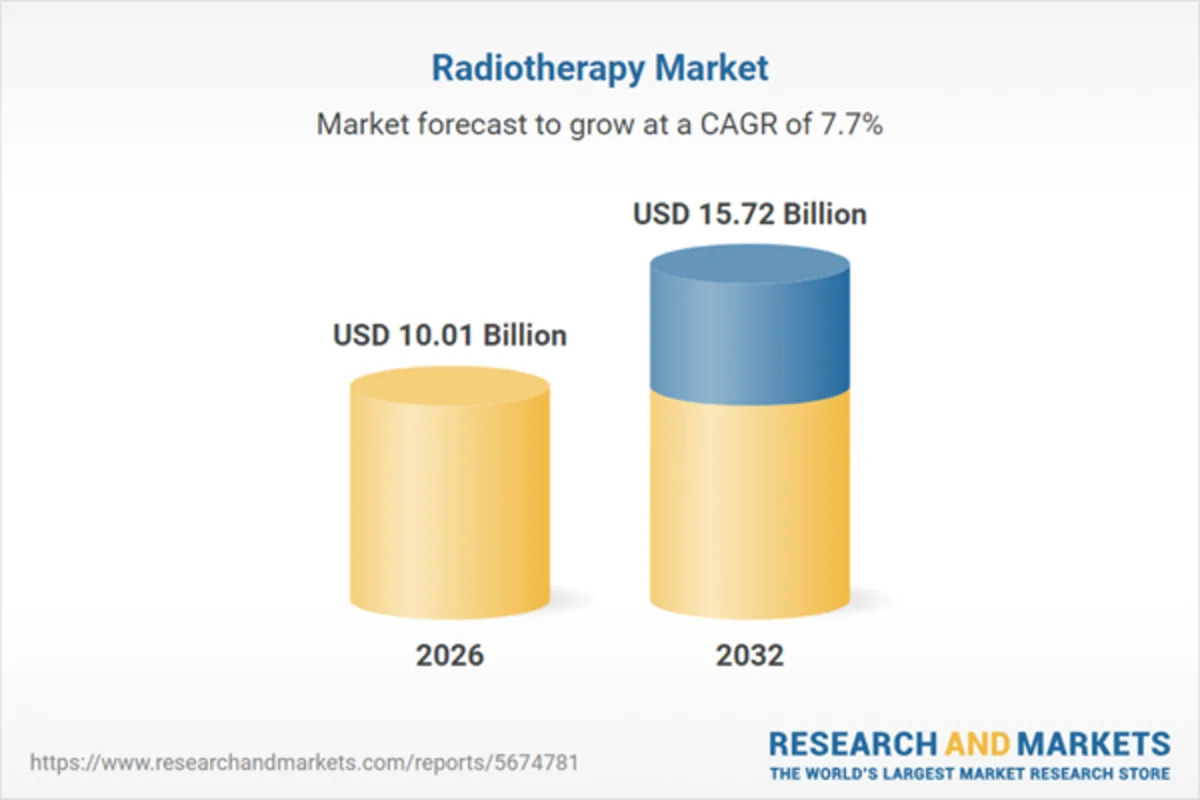
Dublin, July 17, 2026 (GLOBE NEWSWIRE) — The “Radiotherapy Market – Global Forecast 2026-2032” has been added to ResearchAndMarkets.com’s offering.The global Radiotherapy Market research report provides an in-depth assessment of clinical, technological, operational, and regional developments shaping cancer treatment. The market is projected to reach USD 10.01 billion in 2026 and grow at a CAGR of 7.73% to USD 15.72 billion by 2032. Its analysis supports strategic planning by highlighting investment priorities, capacity gaps, emerging technologies, and opportunities across established and underserved healthcare markets.
Market Overview and Growth Drivers
Radiotherapy remains a cornerstone of oncology, used alongside surgery, systemic therapy, immunotherapy, and palliative care. Demand is supported by population aging, improved screening, longer cancer survivorship, and a growing global cancer burden. Approximately 20 million new cancer cases and 9.7 million cancer deaths were recorded worldwide in 2022
Persistent shortages of treatment equipment, brachytherapy capacity, trained professionals, and maintenance services continue to restrict access, particularly in low- and middle-income countries. The report identifies where infrastructure development, workforce investment, and scalable care models could create meaningful market opportunities while reducing operational risk
Transformative Shifts in Radiotherapy Delivery
Clinical practice is moving toward precision techniques that improve tumor control while limiting radiation exposure to healthy tissue. Key developments include:
Intensity-modulated and image-guided radiotherapy. Stereotactic body radiotherapy and stereotactic radiosurgery. Adaptive radiotherapy and proton therapy. Brachytherapy and hypofractionated treatment regimens
Hypofractionation can reduce patient visits and increase treatment capacity when supported by appropriate protocols and quality assurance. Radiotherapy is also becoming more closely integrated with chemotherapy, targeted treatments, hormone therapy, and immunotherapy, increasing the importance of multidisciplinary planning
Departments are adopting digital treatment planning, automated contouring, cloud collaboration, electronic quality management, and workflow optimization. Investment decisions increasingly consider equipment uptime, interoperability, cybersecurity, service support, training, patient throughput, and clinical governance
