

Archer Atu and SkyGrid in a sweeping transaction that will give Boeing an almost 20% holding in Archer and significantly expand the eVTOLdeveloper’s reach into autonomous a
The deal brings together three very different Boeing businesses: Wisk’s autonomous passenger eVTOL, Insitu’s combat-proven uncrewed aircraft and SkyGrid’s digital airspace technology
Boeing will receive Archer shares representing 19.75% of the company’s outstanding Class A stock when the transaction closes, together with the right to appoint one director to Archer’s board. Boeing will also receive two warrants allowing it to purchase up to $200 million in additional Archer stock later
The transaction remains subject to various conditions, including regulatory requirements under US competition law. It is expected to complete by the end of 2026
What exactly is Archer buying from Boeing?
Of the three companies involved in the transaction, Wisk is the most instantly recognisable
The Californian company has spent 16 years developing autonomous electric aircraft and has designed, built and flown six generations of eVTOLs, accumulating more than 1,700 flight tests
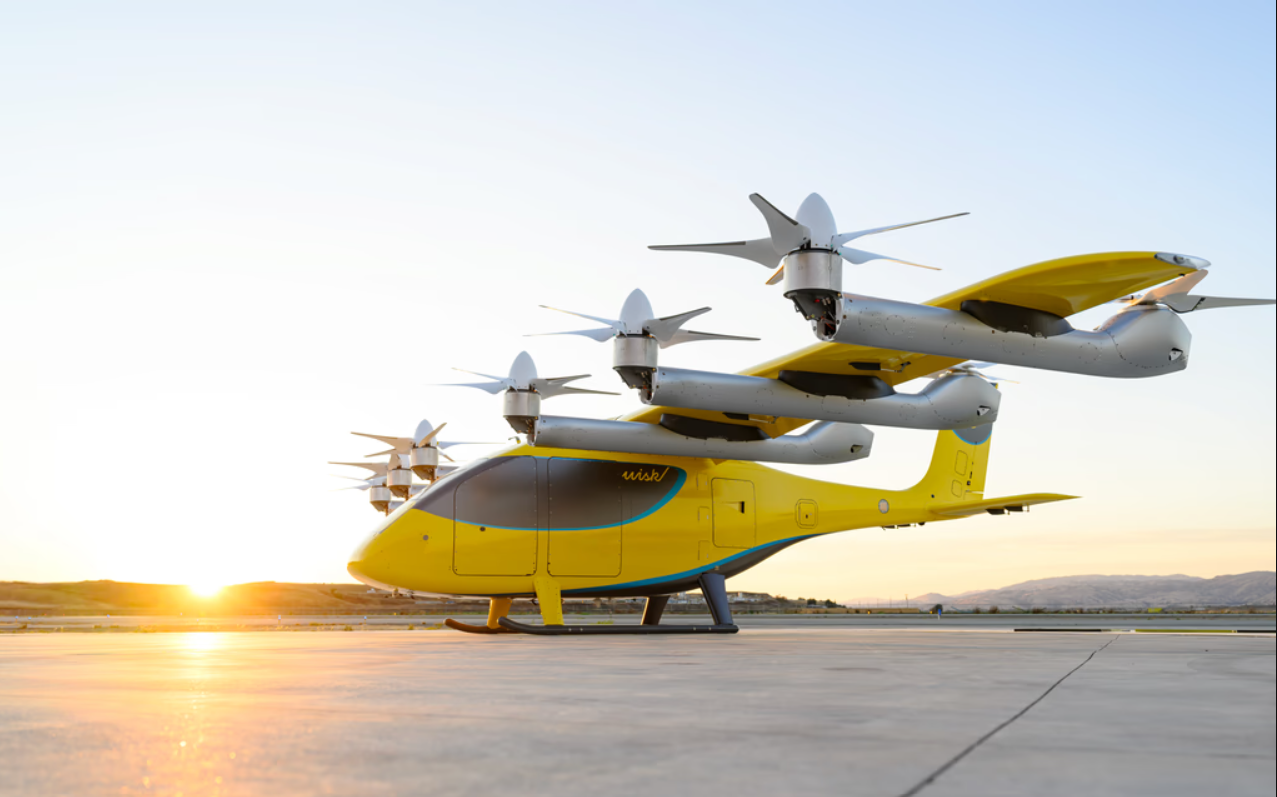
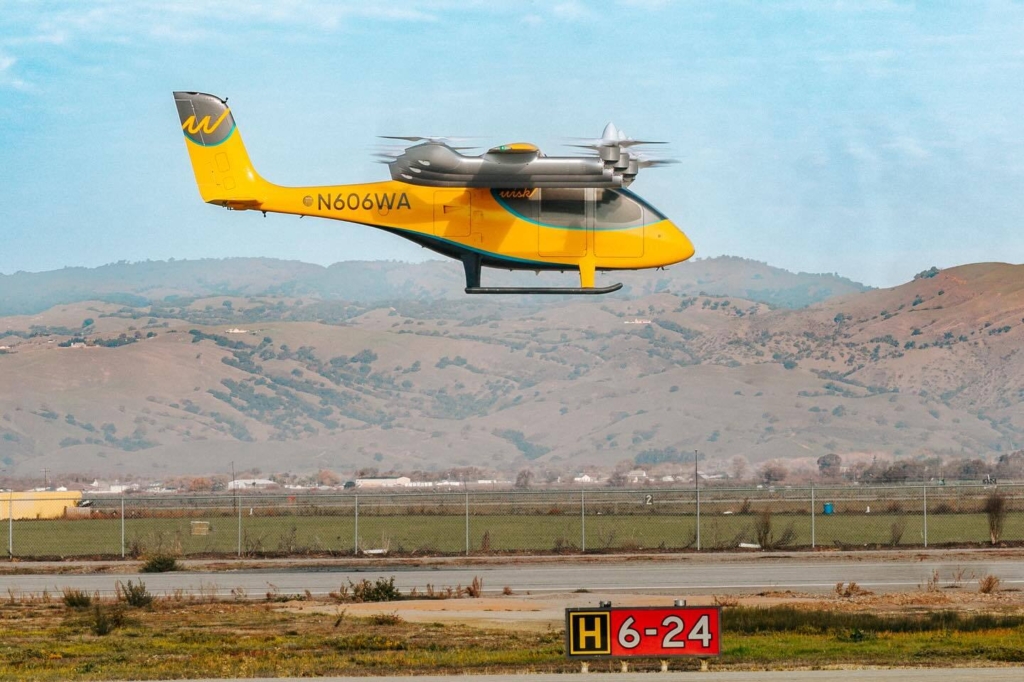
Itscurrent Generation 6 aircraft is being developed as an autonomous, passenger-carrying eVTOL with no pilot on board
The four-seat aircraft is designed to cruise at 120 knots with a range of around 90 miles including reserves, operating autonomously with human oversight from the ground
Generation 6 made its first flight in December 2025, with a second aircraft joining the flight-test programme in May 2026 as Wisk works towards what it hopes will become the first certification of an autonomous passenger-carrying aircraft in the US
Boeing has invested heavily in getting Wisk this far. In January 2022 alone, it committed another $450 million to the company to support development of Generation 6, manufacturing preparations and autonomous flight technology
But Wisk is only one part of the package
Insitu brings Archer an established defence UAS business with operations extending far beyond the developmental programmes usually associated with the eVTOL sector
The Boeing subsidiary manufactures the ScanEagle and Integrator families of uncrewed aircraft and has fielded more than 3,500 UAS. Its aircraft have accumulated more than 1.6 million operational hours and have been used by armed forces in 35 countries
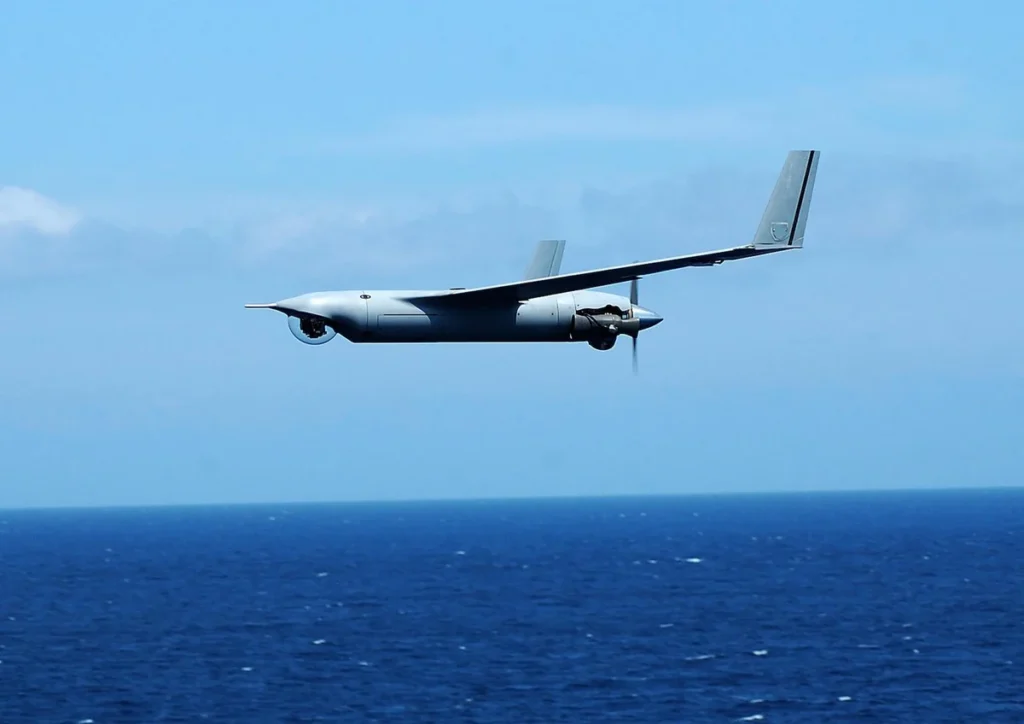
ScanEagle offers an endurance of 18 hours plus, while the larger Integrator can remain airborne for up to 27.5 hours and carry as much as 50 lb of payload. The systems are used for missions including intelligence, surveillance and reconnaissance, targeting, communications relay and maritime operations
Crucially for Archer, Insitu is already a profitable business generating more than $200 million in annual revenue, immediately adding an established revenue stream to a company still in the early stages of commercialising its own aircraft
The third acquisition, SkyGrid, is less visible but could become an important part of Archer’s autonomy strategy
The Austin-based company develops ground-based digital services and air traffic management technology designed to allow autonomous and highly automated aircraft to operate safely alongside conventional arveillance data with automated decision support and traffic management
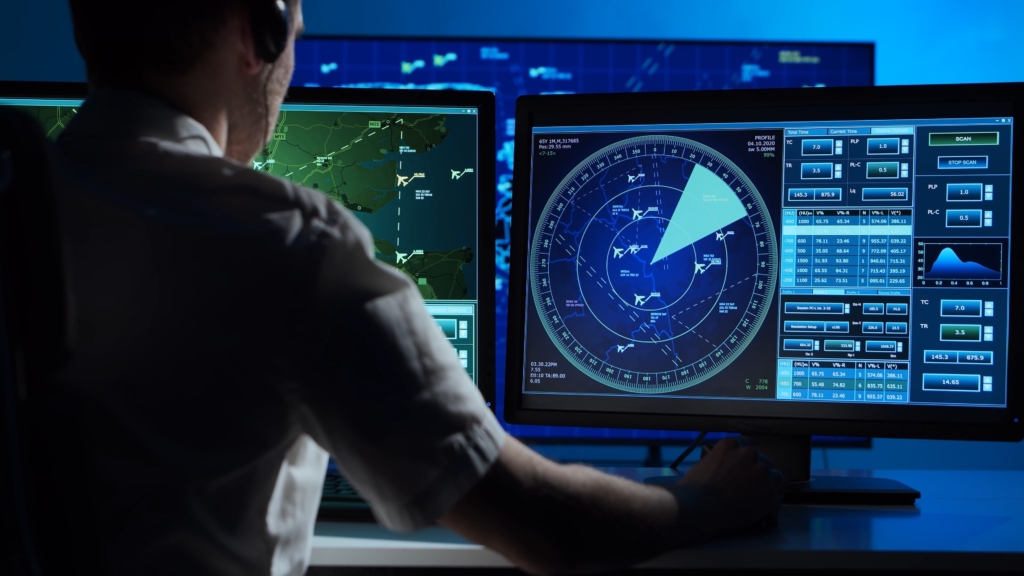
SkyGrid has already been working closely with Wisk and Boeing on proposals for Automated Flight Rules, intended to create an operating framework for high-density autonomous a Flight Rules
Together, Boeing says Wisk, Insitu and SkyGrid bring almost two million combined flight hours of experience to Archer
Why does Archer want Wisk and its autonomy technology?
The acquisition makes considerably more sense when viewed alongside Archer’s rapid expansion beyond its Midnight air taxi
Midnight remains Archer’s primary passenger eVTOL and is following a conventional path into service with a pilot on board. Wisk, by contrast, has built its aircraft and certification strategy around autonomous passenger flight from the outset
Archer and Wisk are also far from strangers
The companies were once fierce legal rivals, with Wisk suing Archer in 2021 over allegations of trade secret theft and patent infringement
That dispute ended exactly three years before the acquisition announcement, on 10 August 2023, when Archer, Wisk and Boeing settled their litigation and entered into a new collaboration
Under that agreement, Archer made Wisk its exclusive supplier of autonomy technology for future variants of Archer aircraft, while Boeing invested in Archer to support the eventual integration of Wisk technology
Buying Wisk brings technology that Archer had already identified as central to its autonomous future directly inside the company. It also comes just weeks after Archer used Farnborough International Airshow to make clear that its ambitions now stretch well beyond conventional electric air taxis
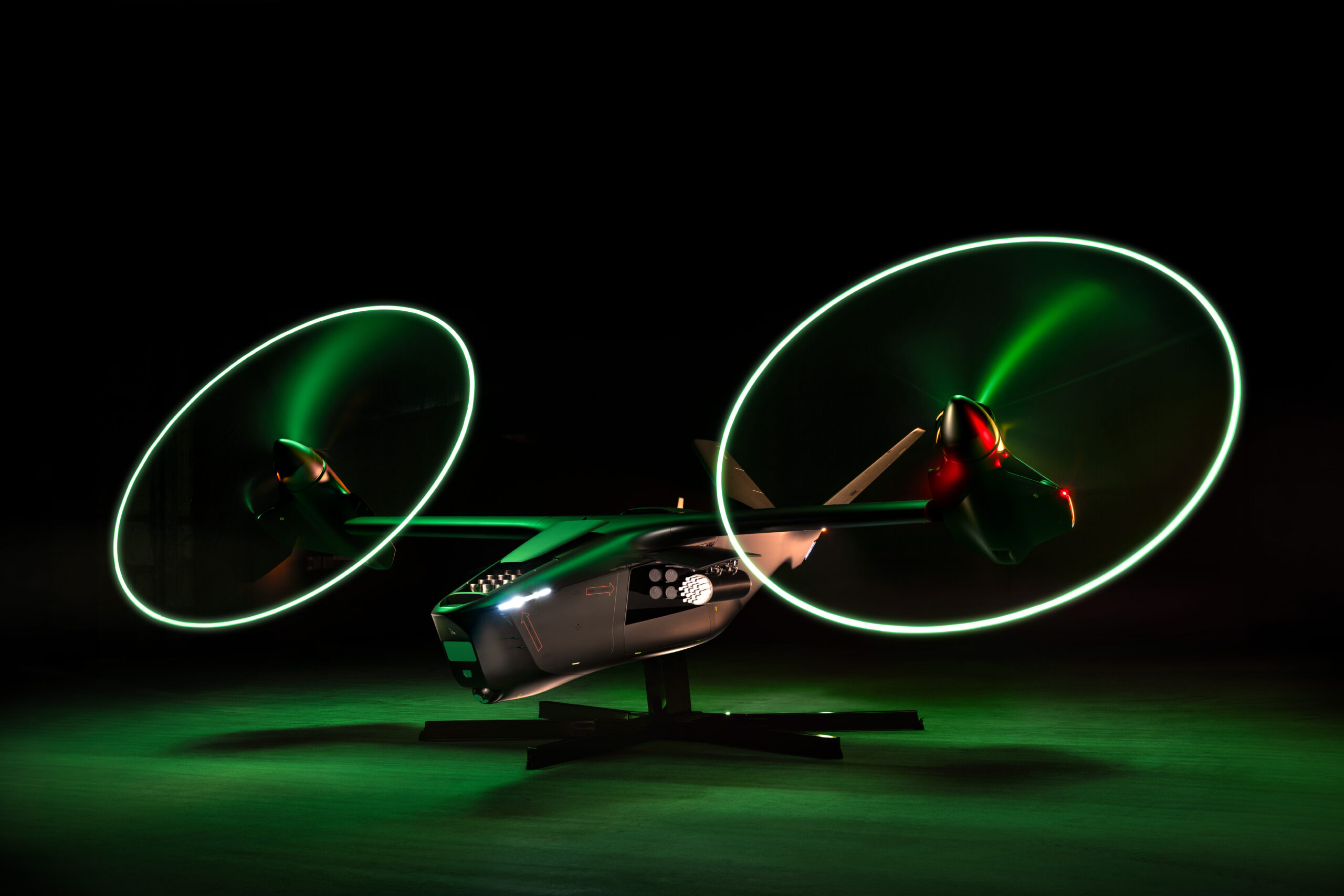
At FIA 2026,Archer and Anduril unveiled a new autonomous hybrid-electric VTOL platform designed for both commercial and military missions
Anduril’s defence version, Thunder, is being developed as a Group 5 autonomous attack rotorcraft, while Archer subsequently unveiled Halo as the commercial version of the same underlying platform. The two aircraft share an airframe, hybrid powertrain and core systems but can carry different payloads according to their missions
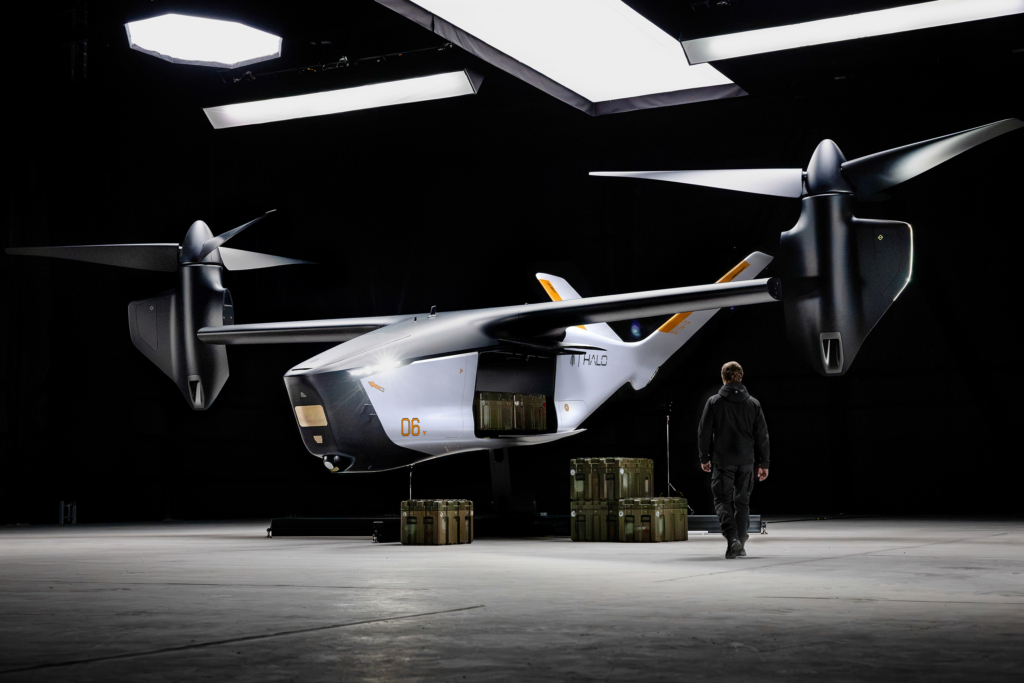
Archer said at Farnborough that the platform drew on eight years of technology development from its commercial eVTOL programme, with Thunder’s first flight planned for 2027
Adding Wisk, Insitu and SkyGrid considerably broadens the technology and experience available to support that strategy
Wisk brings years of autonomous passenger aircraft development and work towards civil certification. Insitu brings operational military UAS, defence customers and expertise operating uncrewed aircraft in demanding and contested environments. SkyGrid brings the digital infrastructure intended to allow autonomous aircraft to operate at scale
Alongside Midnight, Halo and Thunder, the acquisitions point towards an Archer that looks increasingly different from the air taxi company that entered the public markets five years ago
Archer CEO Adam Goldstein described the transaction as a “watershed moment”, saying it represented the next step in building a more diversified company with greater scale and a growing revenue base
Is Boeing giving up on advanced air mobility?
For Boeing, transferring Wisk to Archer inevitably raises another question: is one of the world’s biggest aerospace companies abandoning the advanced air mobility market?
The answer is more complicated than a straightforward exit
Boeing is giving up direct ownership and control of Wisk, along with Insitu and SkyGrid, as it concentrates investment on its core commercial aircraft and defence businesses. The structure of the transaction, however, leaves Boeing heavily exposed to whatever Archer does next
In addition to its 19.75% Class A stake, potential additional investment through the warrants and board representation, Boeing and Archer are establishing an ongoing collaboration and technology-sharing agreement
Most significantly, Boeing will retain access to Wisk’s core autonomous flight technology for use in both current and future Boeing commercial and defence aircraft programmes
Brian Yutko, Boeing vice president of Commercial Airplanes Product Development, called the transaction a “win-win for Boeing and Archer”
He said the deal would allow Wisk, SkyGrid and Insitu to develop and reach the market more quickly, while Boeing continues to benefit from technologies in which it has invested over the past two decades
Rather than walking away fromautonomous articipates
The company will no longer carry the direct responsibility of developing and commercialising Wisk’s air taxi, but retains access to its autonomy technology and will become one of the largest strategic shareholders in the company taking Wisk forward
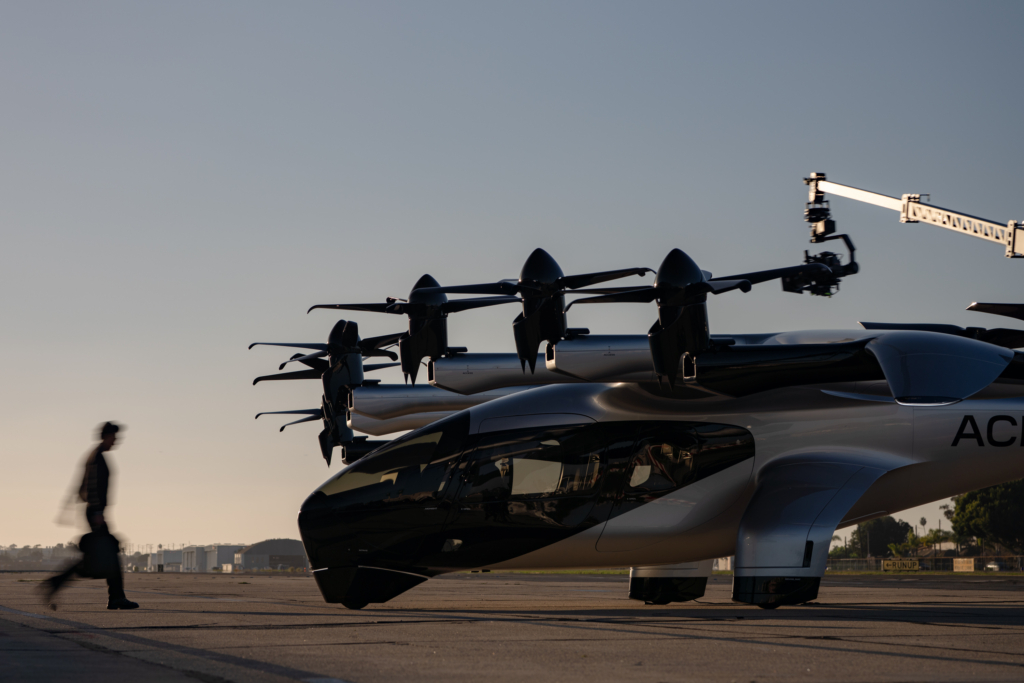
For Archer, meanwhile, the deal represents a much more fundamental transformation
If completed, it will bring together a piloted passenger eVTOL, an autonomous passenger aircraft programme, a new generation of hybrid autonomous VTOLs, a mature military drone manufacturer and an airspace automation business under one company
The result is an Archer that increasingly looks less like an eVTOL start-up and more like a diversified autonomous aerospace and defence manufacturer
News
Air TransportInnovation & TechnologyManufacturingMost ReadUrban Air MobilityAAMArcherArcher AviationboeingeVTOLInsituSkyGridUAMWiskWisk Aero
Sign up for our newsletter and get our latest content in your
inbox.
1
Eclipse flights: Airlines offer front-row seats to solar spectacle Eclipse flights: Airlines offer front-row seats to solar spectacle
Solar Eclipse
August 10, 2026
2
Emirates turns Airbus A380 and Boeing 777 parts into giant Arsenal crest Emirates turns Airbus A380 and Boeing 777 parts into giant…
Emirates
August 10, 2026
3
Starship survived the flight. Now SpaceX has another problem: getting it home Starship survived the flight. Now SpaceX has another problem: getting…
SpaceX
August 10, 2026
4
Damaged C-17 flies again after US Air Force robot makes part nobody else could Damaged C-17 flies again after US Air Force robot makes…
C-17 Globemaster
August 10, 2026
Related Topics
More from
Eclipse flights: Airlines offer front-row seats to solar spectacleEclipse flights: Airlines offer front-row seats to solar spectacle
August 10, 2026
Emirates turns Airbus A380 and Boeing 777 parts into giant Arsenal crestEmirates turns Airbus A380 and Boeing 777 parts into giant Arsenal crest
August 10, 2026
Why United Airlines and Virgin Atlantic are winning with Starlink WiFi Why United Airlines and Virgin Atlantic are winning with Starlink WiFi
August 10, 2026
Why are airlines keeping older aircraft in service for longer? Why are airlines keeping older aircraft in service for longer?
August 9, 2026
Starship survived the flight. Now SpaceX has another problem: getting it homeStarship survived the flight. Now SpaceX has another problem: getting it home
August 10, 2026
Damaged C-17 flies again after US Air Force robot makes part nobody else couldDamaged C-17 flies again after US Air Force robot makes part nobody else could
August 10, 2026
What makes a fighter jet ‘sixth generation’? What makes a fighter jet ‘sixth generation’?
August 9, 2026
F-22 vs F-35: What’s the difference and which fighter jet is better? F-22 vs F-35: What’s the difference and which fighter jet is better?
August 8, 2026
US Air Force says B-21 Raider remains on track for 2027 service entry US Air Force says B-21 Raider remains on track for 2027 service entry
August 10, 2026
Ukraine moves towards anti-ballistic missile capabilities as Freyja takes shape Ukraine moves towards anti-ballistic missile capabilities as Freyja takes shape
August 7, 2026
Korean Air to adapt Archer Midnight eVTOL for military transport missions Korean Air to adapt Archer Midnight eVTOL for military transport missions
August 5, 2026
Possible fifth J-36 prototype spotted as analysts caution against comparisons with the F-47 Possible fifth J-36 prototype spotted as analysts caution against comparisons with the F-47
August 4, 2026
eSAF could solve aviation’s fuel problem. So why is almost nobody making it? eSAF could solve aviation’s fuel problem. So why is almost nobody making it?
August 7, 2026
Why is sustainable aviation fuel so scarce and expensive?Why is sustainable aviation fuel so scarce and expensive?
August 1, 2026
Amsterdam Schiphol champions airport quality as it reveals €801 million investment Amsterdam Schiphol champions airport quality as it reveals €801 million investment
July 29, 2026
India’s ePlane strengthens supply chain with global aerospace partners as e200X moves towards certification India’s ePlane strengthens supply chain with global aerospace partners as e200X moves towards certification
July 28, 2026
