

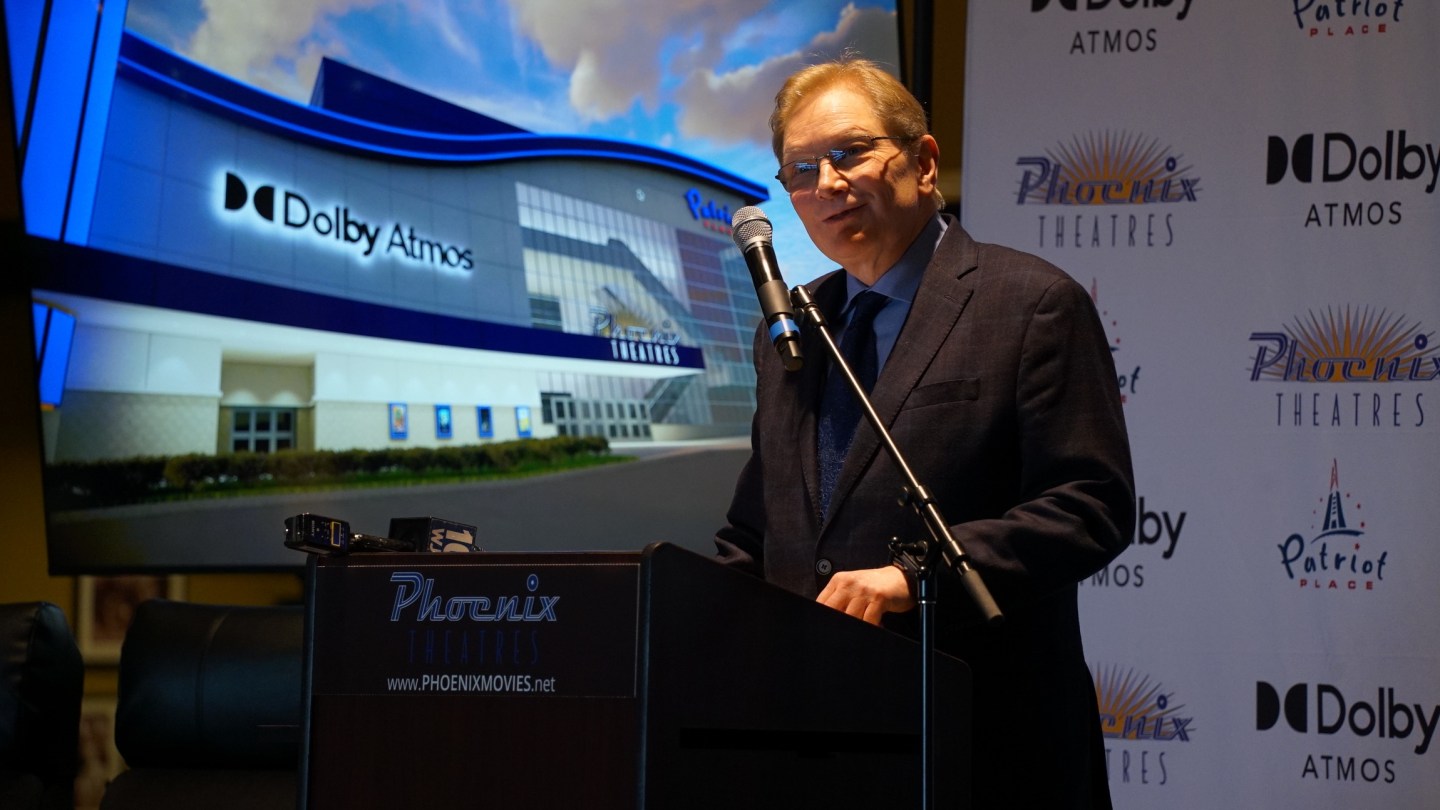
Phoenix Theatres
I have spent nearly 50 years in the motion picture exhibition business, and experience has taught me to be suspicious of simple answers to complicated problems
The proposed merger of Paramount Skydance and Warner Bros. Discovery is a good example. The argument against such a combination is straightforward: Two major studios become one, concentration increases, and movie theatres and moviegoers must therefore be worse off
But that analysis leaves out an important question: What happens if the merger doesn’t occur?
I founded Phoenix Theatres in 2000 and today operate 10 theatres in five states. Before that, I spent two decades with United Artists Theatres and Marcus Theatres. Through enormous technological and economic changes, one fact about our business has remained constant: Movie theatres need movies
We can improve our seats, projection, sound and service. We can give customers a compelling reason to leave home. But exhibitors cannot manufacture the one thing our business ultimately depends upon: a steady supply of films people want to see. That is why the financial health of the studios matters enormously
There is a popular misconception that home entertainment has steadily diminished theatrical exhibition. The history of the past 40 years is more complicated. When videotape arrived, many predicted that watching movies at home would damage theatres. Instead, home video created another way to earn money from films. It was followed by DVD, pay television, digital rentals and streaming. As the potential economic value of filmed entertainment expanded, film production expanded enormously as well
People have kitchens, but they still go out to eat at restaurants
Home dining and restaurants coexist because they offer different experiences. So do streaming and movie theatres. Home entertainment competes for a consumer’s time, but it can also increase the economic value of producing movies in the first place. The danger comes when that balance is lost. If a movie becomes available at home almost immediately, consumers have a rational reason to wait. A meaningful theatrical window allows a film to become an event before moving to other platforms, where its theatrical success can increase its subsequent value.
That brings me back to Warner Bros
Major films require extraordinary amounts of capital committed years before anyone knows whether audiences will embrace them. They require money, but they also require confidence
Prolonged corporate uncertainty works against both
Suppose the Paramount-Warner Bros. merger is stopped. Then what?
Warner Bros. still faces questions about its ownership and strategic direction. Decisions still must be made about which films to develop, finance and market. And because major motion pictures often require years to produce, a decision postponed today can become a missing film several years from now. Exhibitors have learned this lesson painfully. The pandemic interrupted film production, and its effects continued long after theatres reopened. The Hollywood strikes created another disruption
There is a lag in this business. A movie that isn’t put into production today becomes an empty spot on a future release calendar. An empty spot on the release calendar eventually becomes an empty auditorium. That concerns me more than the number of studio names on an organizational chart
Paramount’s stated direction under David Ellison therefore matters. Its public commitment to substantially increase theatrical production, including at least 30 theatrical releases annually and meaningful periods of exclusive theatrical exhibition, addresses exactly what exhibitors need: more films, properly marketed, with enough time in theatres to become events
Ellison has made this 30-film pledge for three years. Three years goes by very quickly, particularly in an industry in which films can take several years to move from development to theatrical release. In my view, extending the commitment to five years would provide greater stability for exhibitors and strengthen the position that the combined company intends to make a sustained investment in theatrical films. A concrete and enforceable five-year commitment would protect the theatrical pipeline throughout the critical integration period and give the industry greater confidence in the combined company’s long-term plans.
None of this means consolidation is always good. It isn’t. Market power can be abused, and a transaction involving companies this significant deserves careful regulatory scrutiny
But careful analysis must run in both directions. It isn’t enough to ask what could go wrong if the merger occurs. We should ask with equal seriousness what could go wrong if it doesn’t. If preventing this transaction produces prolonged uncertainty, delays investment and ultimately results in fewer major films entering production, preserving another independent studio on an organizational chart will provide little comfort to theatre owners several years from now. We will simply have fewer movies to play.
Studios and theatres ultimately participate in the same ecosystem. Studios need theatres to turn films into cultural events. Theatres need studios willing to take the enormous financial risks required to create those films. And successful theatrical releases can make films more valuable when they later reach streaming and home entertainment
After nearly 50 years in this business, I have learned that industries rarely suffer because too many people are willing to make sensible long-term investments. The greater danger comes when investment stops
So, when considering this merger, regulators should ask not only whether combining Paramount and Warner Bros. creates risks. They should also ask: Compared with what?
A delay carries a significant and immediate financial cost. Beginning October 1, Paramount will owe additional merger consideration to Warner Bros. Discovery shareholders, commonly referred to as a “ticking fee.” It amounts to approximately $650 million per quarter, or nearly $7 million for every day the transaction remains unclosed. Paramount has estimated that this obligation could reach approximately $1.3 billion by the completion of post-trial briefing. It would certainly be more productive for those funds to be invested in making and releasing movies rather than consumed by the cost of delaying the transaction.
Even if the transaction is ultimately approved, the companies will have lost valuable time and incurred substantial additional expense before beginning the integration process. If it is blocked, both studios could emerge from the litigation having spent a year distracted and constrained while the rest of the industry moved forward
Exhibitors would also bear the consequences. Our business depends upon a consistent and dependable supply of theatrical films. After the momentum the industry has experienced this year, we cannot afford another period of production disruption or delayed releases. We remain approximately 8 percent behind 2019, but I believe we can close that gap and finish the year ahead of 2019 if the production pipeline remains stable in remaining months of 2025 and beyond.
If the realistic alternative to closing a Paramount-Warner Bros. deal is prolonged uncertainty, delayed investment and fewer theatrical films in the years ahead, maintaining the status quo may not be the safer choice. It may be the riskier one
Cory Jacobson is the sole owner of Phoenix Theatres Corporation. Phoenix Theatres operates 10 first-run movie theatres encompassing 93 screens across Michigan, Ohio, Iowa, Massachusetts, and Tennessee
