

August 15, 2026
Why some natural disasters get more global news coverage
Why do some disasters dominate the headlines? International news coverage favors dramatic events and disasters with very high death tolls
BySanjana Gajbhiye
Editor
Natural disasters can change lives, but they do not receive equal attention outside the countries they strike
A recent analysis shows that sudden, visually dramatic disaster types drew the most foreign coverage, while personal ties strengthened the response to very high death tolls
Floods and droughts drew far less attention than earthquakes, volcanic eruptions, landslides, and wildfires
That gap matters because weather and water disasters sit at the center of climate debates, although climate change does not cause every event
Tracking disasters in news
“We asked ourselves which natural disasters attract cross-border media coverage,” said Professor Thiemo Fetzer, who works in the Department of Economics at the University of Bonn
“So we focused on all the disasters since 2016 that had been officially recorded – over 2,600 of them in total.”
The team included Prashant Garg from the Department of Economics and Public Policy at Imperial College London
The analysis covered 2,662 disasters and more than 135 million articles from 466
The researchers matched the Europe Media Monitor, developed by the European Commission’s Joint Research Centre, with the Emergency Events Database
The Centre for Research on the Epidemiology of Disasters maintains the records
Dramatic disasters receive more global attention
The team measured whether foreign outlets mentioned a country more often during the first three days after a disaster began
Domestic reporting was excluded, so the analysis focused only on attention crossing national borders
Earthquakes produced the largest average jump in foreign coverage. Landslides and avalanches came next, followed by volcanic eruptions, while wildfires also received an increase
Storms, extreme temperatures, and floods produced smaller increases. Drought coverage did not rise enough for the team to rule out random variation
The researchers did not rate the drama of photographs or videos. Instead, the pattern matched the idea that sudden events with striking images are easier for distant newsrooms to notice and present quickly
Deaths sharpen the response
A higher death toll also increased the chance that a disaster would become international news, but the pattern was strongest at the most severe end
Events with at least 100 deaths received more coverage than events with fewer than 10 deaths
Disasters with 10 to 99 deaths did not differ from the lowest category after the team corrected for chance patterns across several tests
The findings therefore do not support a simple rule in which every added death brings the same rise in attention
“The third striking factor is the major role played by social connections with the country affected,” Professor Fetzer said
“Surprisingly, this has nothing to do with geographical proximity or similarity of language. Instead, we found evidence that it’s primarily a question of strong personal ties.”
The team measured social connections with the Social Connectedness Index, which compares Facebook friendships between countries while accounting for user numbers
The researchers also compared genetic similarities between national populations as an indirect measure of historical ties created by migration and intermarriage
“We believe that, rather than being the actual cause of this finding, genetic similarity serves as an indication of close personal ties that have developed for e.g. historical reasons,” Professor Fetzer said
The paper stresses that this measure used population data, not individual genetic records, and does not show a biological cause
Connections change the threshold
“Personal ties ensure more interest and also more empathy,” Professor Fetzer said
The results linked stronger ties with a steeper rise in coverage as deaths increased, but the analysis did not measure empathy directly
A prediction model showed how this difference could look. For German news outlets, a hypothetical storm causing 100 deaths in Bangladesh drew about the same predicted increase as a storm causing 43 deaths in Italy or 62 deaths in Mexico
These were comparisons made by the model, not records of real storms with identical attention
Country connections alone explained almost none of the variation, while disaster details explained about 14 percent and the combined model explained about 22 percent
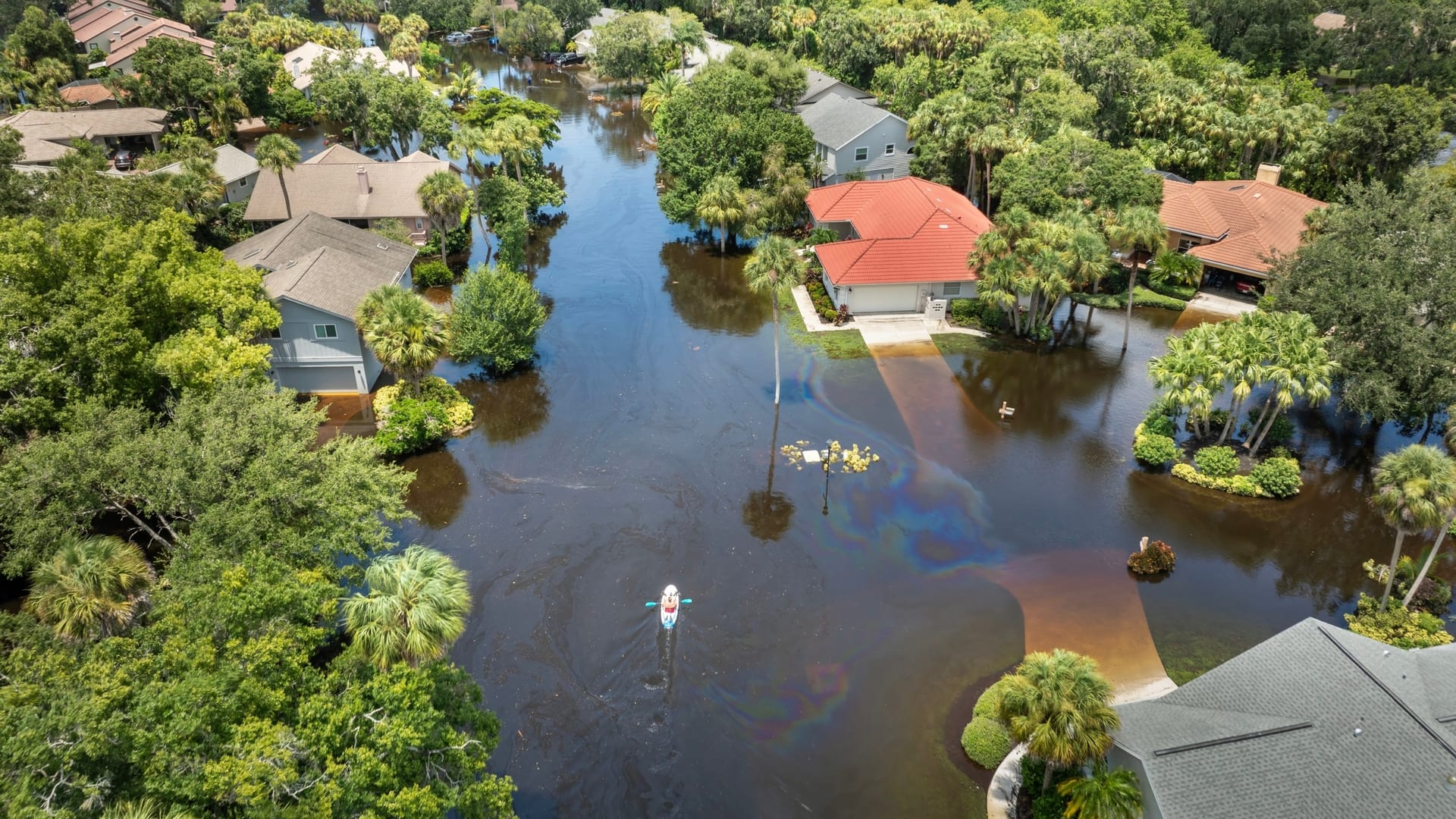
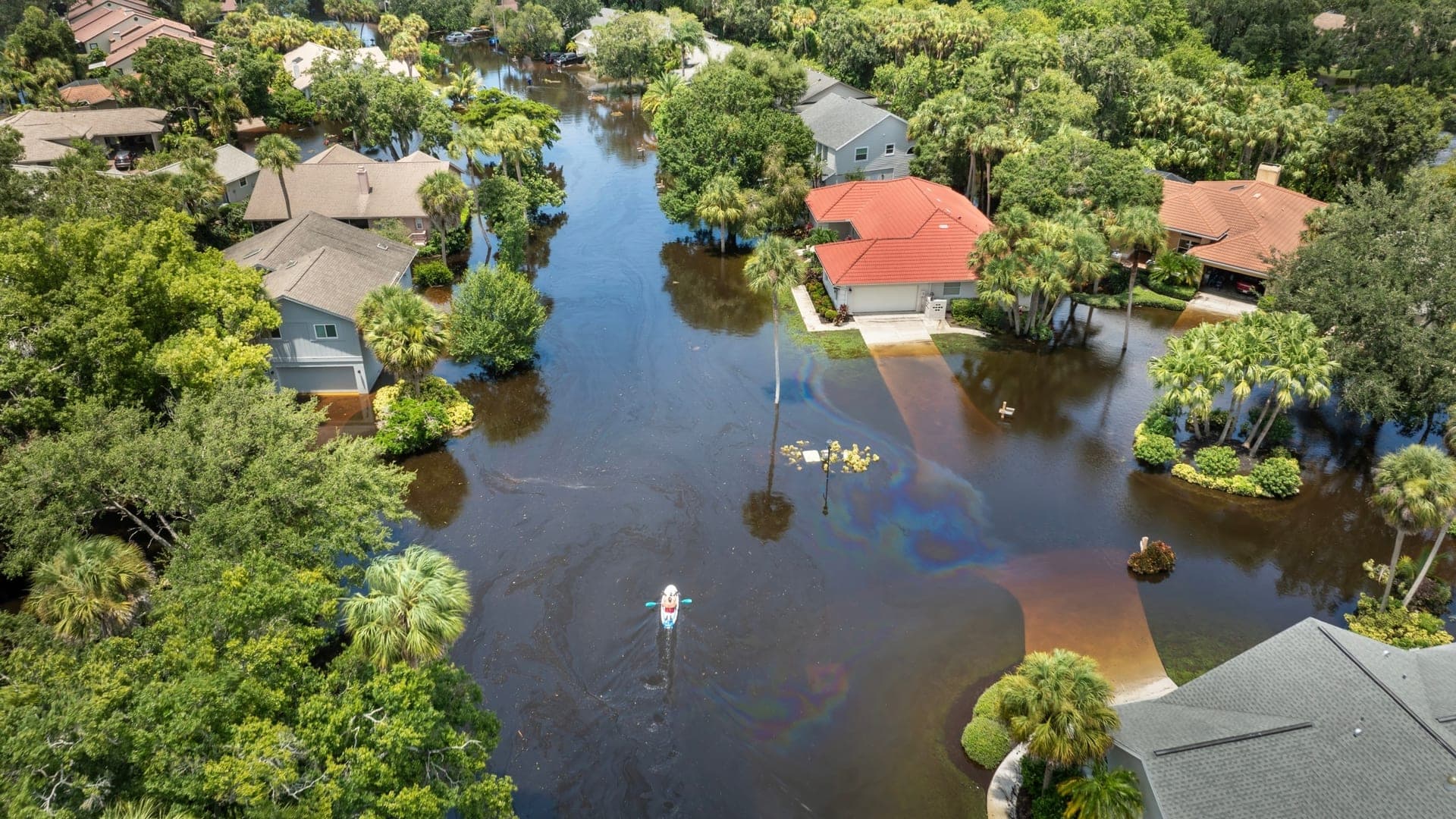
Floods and droughts receive less coverage
The researchers grouped floods, storms, droughts, and extreme temperatures as weather and water disasters relevant to climate risk
After accounting for death toll and duration, this group received less foreign attention than earthquakes, volcanic activity, and tsunamis
“This makes it easier to ignore the consequences of global heating, at least until they arrive on our own doorsteps,” Professor Fetzer said
Climate links require careful interpretation
The result needs careful reading because climate change does not create every flood, storm, drought, or heat event
In a narrower check using only a small group of climate-related hazards, the attention gap was small and could reflect random variation
The analysis did not test whether lower coverage makes people underestimate climate change. It also did not measure public concern, policy support, donations, aid, or newsroom decisions
Limitations of the study
The Europe Media Monitor tracks public online news, so it cannot represent every television station, radio report, print outlet, or local language source
The researchers also limited the sample to five outlets per country, which improved consistency but left some national media systems partly represented
Countries with little digital news, rare languages, or heavy censorship may appear less often in the database. The disaster database can also miss smaller events in remote areas, which may deepen gaps in international reporting
Importantly, the results show patterns and associations, not proof of cause and effect
Other events may have occurred during the news window, and the analysis cannot reveal why each editor chose one disaster over another
Unequal coverage can shape public awareness
The clearest lesson is that international disaster news reflects more than need alone
Sudden, visually dramatic disasters, high death tolls, and social connections shape attention, while slow and distant hazards can remain outside the global spotlight
More balanced coverage could help audiences see climate risks that unfold without dramatic footage, but this paper did not test whether changing coverage would change public behavior
The study is published in the journal Nature Human Behaviour
Like what you read? Subscribe to our newsletter for engaging articles, exclusive content, and the latest updates
Check us out on EarthSnap, a free app brought to you by Eric Ralls and Earth.com
—–
