


The dashboard camera started life as a novelty. A small lens suction-cupped to the windshield, recording the road ahead mostly for the amusement of capturing scenery or the occasional dramatic near-miss. Two decades later, that gadget has quietly become one of the most consequential pieces of technology a driver can own. What changed is not just the hardware, though the hardware changed enormously, but the role the footage now plays once something goes wrong. The dashcam has evolved from a curiosity into a credible, often decisive source of evidence, and understanding that shift means looking at both the technology and the way our systems have learned to trust it.
How the hardware grew up
Early dashcams were limited by the same constraints that hampered all consumer video: low resolution, tiny storage, and poor performance in anything but bright daylight. Footage was often too grainy to make out a license plate and useless once the sun went down. The devices recorded, but what they recorded rarely settled anything
The modern dashcam is a different class of machine. High-definition and increasingly 4K sensors capture fine detail, wide dynamic range handles the harsh contrast of headlights against darkness, and dedicated night modes turn once-unusable low-light footage into clear record. Loop recording paired with cheap, high-capacity memory cards means the camera runs continuously without manual intervention. Many units now record front and rear simultaneously, and some add cabin-facing lenses. The leap in capability is what moved the dashcam from a toy to a tool, because footage only matters if it is clear enough to show what actually happened.
The metadata most people overlook
The most important evolution is not the picture quality at all. It is the data layered invisibly on top of the video. Contemporary dashcams stamp their footage with a continuous stream of contextual information: GPS coordinates, precise timestamps, vehicle speed, and in many models G-sensor readings that register the force and direction of an impact. This turns a simple video clip into a rich, time-anchored record of events
That metadata is what elevates footage from suggestive to authoritative. A video showing a collision is useful, but a video showing the exact speed, location, and moment of impact, corroborated by an accelerometer spike, is something closer to a black box. It answers the questions that disputes usually turn on, and it answers them with data rather than memory. This is precisely why footage has become so valuable in dashcams as accident evidence, where the combination of clear imagery and embedded data can establish fault in situations that would otherwise dissolve into one driver’s word against another’s. The camera does not get flustered, misremember, or shade its account, and that neutrality is exactly what makes the record so persuasive once a claim is contested.
Cutting through he-said-she-said
Most accident disputes come down to conflicting accounts. Each driver remembers the light being their color, the other car appearing from nowhere, the speed being reasonable. Human memory under stress is notoriously unreliable, and honest people can give genuinely contradictory versions of the same event. Into that fog, a timestamped video with corroborating speed and location data arrives as something close to ground truth
The effect is not limited to honest confusion. Dashcam footage has proven especially powerful against deliberate fraud, particularly staged collisions where a driver brakes suddenly or reverses into a following car to manufacture a claim. Independent research on driver behavior has shown how technology reshapes the way people drive and document the road, and a camera that captures the setup of a staged crash can dismantle a fraudulent story instantly. What once would have been the victim’s word against a practiced scammer becomes a clear record of the maneuver as it happened.
The legal system catches up to the technology
Technology only becomes evidence when institutions accept it, and the acceptance of dashcam footage has grown alongside its capability. Courts and insurers increasingly treat well-authenticated footage as reliable, in part because the embedded metadata makes it difficult to fake convincingly and easy to cross-check against other records. The timestamp can be verified, the GPS trail can be compared to known road layouts, and the speed data can be checked against the physics of the damage
There are still limits worth understanding. Footage has to be preserved and unaltered to carry weight, chain-of-custody matters, and the same privacy questions that surround any always-on recording device apply here too. The rules of evidence require that a recording be authenticated as genuine before it can persuade anyone, and dashcam footage is no exception. But the trajectory is unmistakable. As the hardware has grown more sophisticated and the metadata more comprehensive, the evidentiary weight of a dashcam recording has climbed with it.
What this means for the everyday driver
For an ordinary driver, the practical upshot is significant. A dashcam has shifted from a fun accessory to a genuine form of protection, a way to preserve an objective account of events that no longer depends on memory or credibility. In a minor dispute it can resolve fault in minutes. In a serious crash or a fraud attempt, it can be the difference between a fair outcome and an unjust one
Getting the most from the technology takes a little care. A camera is only useful if it is running, positioned well, and its footage is saved before the loop overwrites it, which means knowing how to lock and export a clip after an incident and folding it into the wider set of steps that protect a claim right after a crash. The device that spent years as a gadget is now worth treating as safety equipment, because its real value only appears in the moments after something has gone wrong
When the lens becomes the most reliable witness
The arc of the dashcam is a small case study in how consumer technology matures into infrastructure. A gadget that began as entertainment became, through steady improvements in sensors, storage, and embedded data, one of the most trusted witnesses on the road. It does not embellish, forget, or take sides. It simply records, with a precision and neutrality that human recollection cannot match
That reliability is why the humble windshield camera now carries real weight in the systems that decide fault and compensation. The technology climbed from novelty to necessity not through any single breakthrough but through the accumulation of capabilities that made its record trustworthy. On a road full of competing stories, the camera that just keeps recording has quietly become the one account everyone can agree to check

What Produces That Wet Dog Smell?Today

Vitriform3D and ORNL give glass a second life through 3D printingToday

Cyberattacks May Be Threatening Water SupplyToday

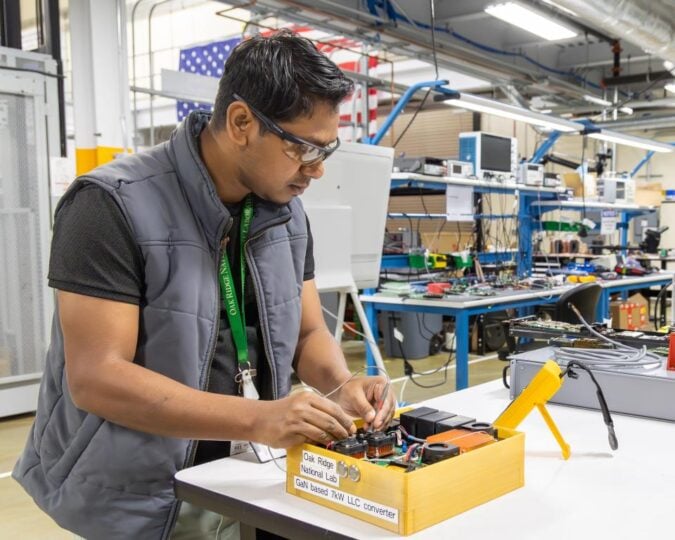
New semiconductor building blocks make power converters smaller, more affordableYesterday

Soft optical sensor offers new way to map the heart and brain2 days ago




More news about Technologies

New tool identifies the sources of fake videosToday

Meta Launches Muse Code, a Terminal Agent for Large Repositories4 days ago

Sega’s Dreamcast Is Still Getting New Games 25 Years Later6 days ago

Alibaba Launches Qwen3.8-Max, Its Largest AI Model to DateAugust 3, 2026

Xiaomi Launches SkyNomad SUV Series With Range-Extender PowertrainsAugust 1, 2026





More news about Developments
