

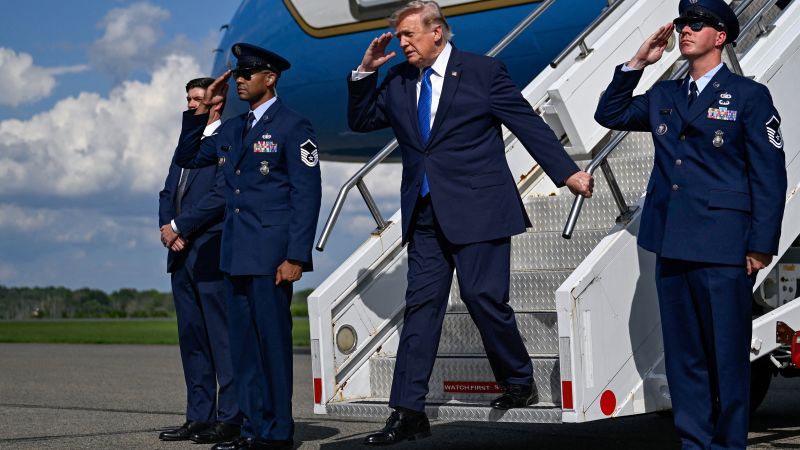
• War negotiations:US President Donald Trump said negotiations with Iran will resume on Monday, a day after he said he was canceling a planned attack contingent on the two sides “rapidly” making a deal. He touted progress in talks, including on reopening the Strait of Hormuz. Iranian state media gave no indication that Tehran asked for the attacks to be called off or has changed its stance on the waterway
• Diplomatic efforts:Trump’s move to cancel strikes came after Saudi Arabian state media reported Prince Mohammed bin Salman pushed for deescalation. No strikes were reportedfrom either the Iranian or US side overnight into Sunday
• Economic impact:The collapse of the initial US-Iran ceasefire last month has been followed by greater disruptions to global shipping and oil production, and Americans are facing high gas prices as a result. In Iran, economic problems are mounting after months of conflict
28 Posts
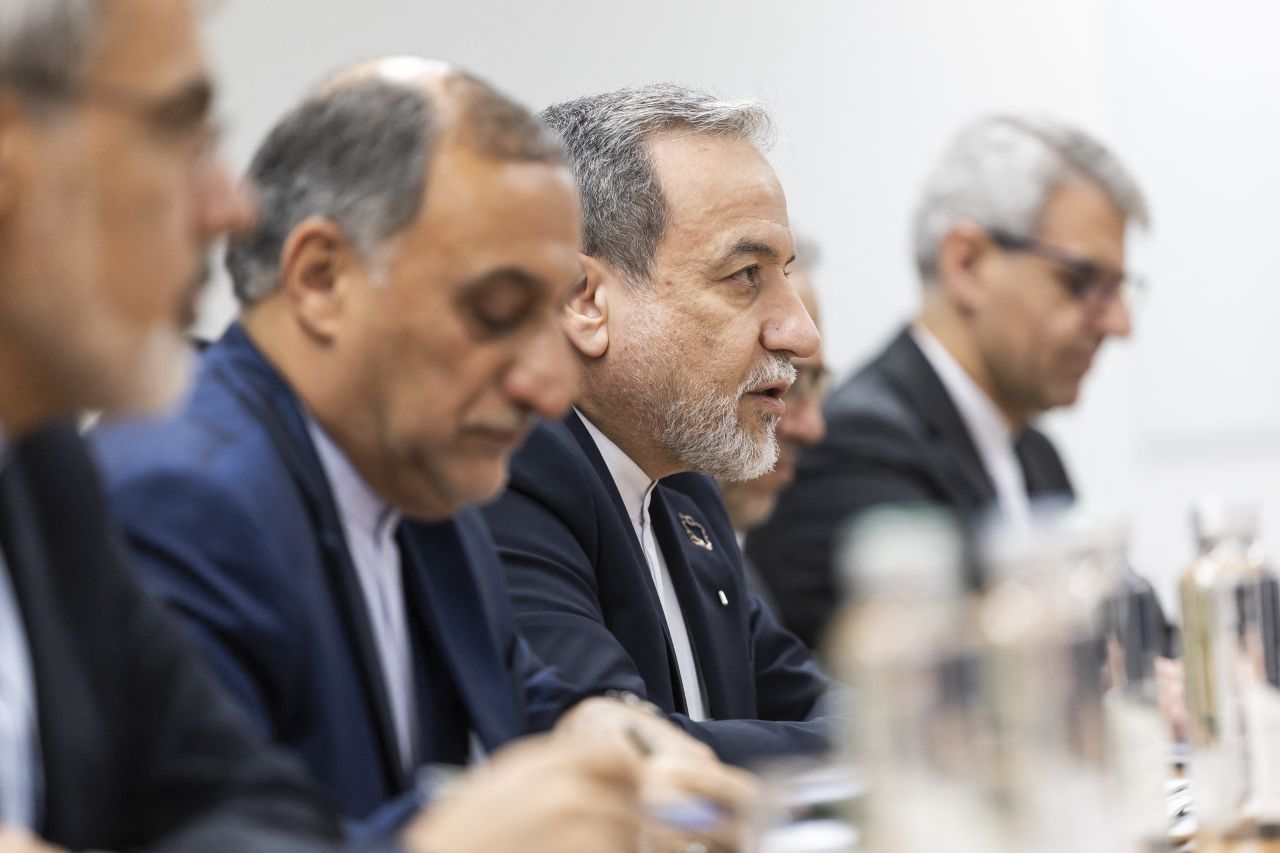
Iran’s Foreign Minister Abbas Araghchi speaks during a bilateral meeting between Switzerland and Iran during a second round of US-Iranian talks in Geneva on February 17.
Iranian Foreign Minister Abbas Araghchi spoke with senior Saudi and Pakistan officials, according to local media
Araghchi held “a series of high-level telephone conversations” Sunday night with his Saudi counterpart Prince Faisal bin Farhan Al Saud and Pakistan’s Army Chief Asim Munir, which marked his second round ofdiplomaticcalls within 24 hours, Iranian state media Press TV said
During the call, they discussed “the current situation” and establishing security and stability in the region, the outlet said, citing an X post by Araghchi
The previous day, Araghchi warned his Saudi counterpart that “any aggression or hostile action” by the United States and Israel “would be met with a firm and proportionate response,” reported Press TV
Araghchi also held separate calls on Saturday with Turkish Foreign Minister Hakan Fidan and Asim Munir, warning that Iran would respond in kind to any “adventurous action” by the United States
Oil futures dropped Sunday after President Donald Trump announced a pause in strikes against Iran, signaling that negotiations were progressing to reopen the Strait of Hormuz
Brent crude, the international benchmark, fell about 5.6% to about $83 a barrel, and US crude fell about 5.5% to about $80 a barrel
The Strait of Hormuz has been impassable since fighting resumed between the US and Iran on July 8 — weeks after the two sides agreed to a ceasefire. Roughly 20 million barrels of oil transited the strait before the war began and shipping traffic had increased following the ceasefire, resulting in the release of 200 million barrels during the pause in hostilities
While Trump canceled plans to attack Iran, Tehran has not signaled a change in its stance on the waterway. An Iranian Foreign Ministry spokesperson on Sunday said that an “understanding” with Oman over a new shipping route did not mean the Strait of Hormuz would reopen. Ships have attempted to move along the Omani coastline, though Iran has warned ships against using non-designated routes, which threatens its control over the strait
Some vessels have been targeted by the Iran Revolutionary Guard Corps while attempting to transit the strait. Saudi Arabia has increasingly moved oil through the Bab al-Mandeb strait, but that waterway has been targeted by the Iran-backed Houthi rebels in Yemen
On Sunday, OPEC’s Joint Ministerial Monitoring Committee, which includes some of the world’s top oil exporters, expressed concerns for market stability. The committee did not specifically mention the war with Iran, but said that attacks on energy infrastructure will require time-consuming and costly repairs. They added that maritime trade disruptions “increase market volatility.”
The prolonged elevation of oil prices has sent US gas prices higher. The national average for a gallon of gasoline was $4.09 on Sunday, a drop of two cents from a week ago But Sunday’s average is roughly 34% higher than before the war began
Meanwhile, Dow Jones futures gained about 0.5%, S&P 500 futures jumped about 0.5%, and Nasdaq futures climbed about 0.8%
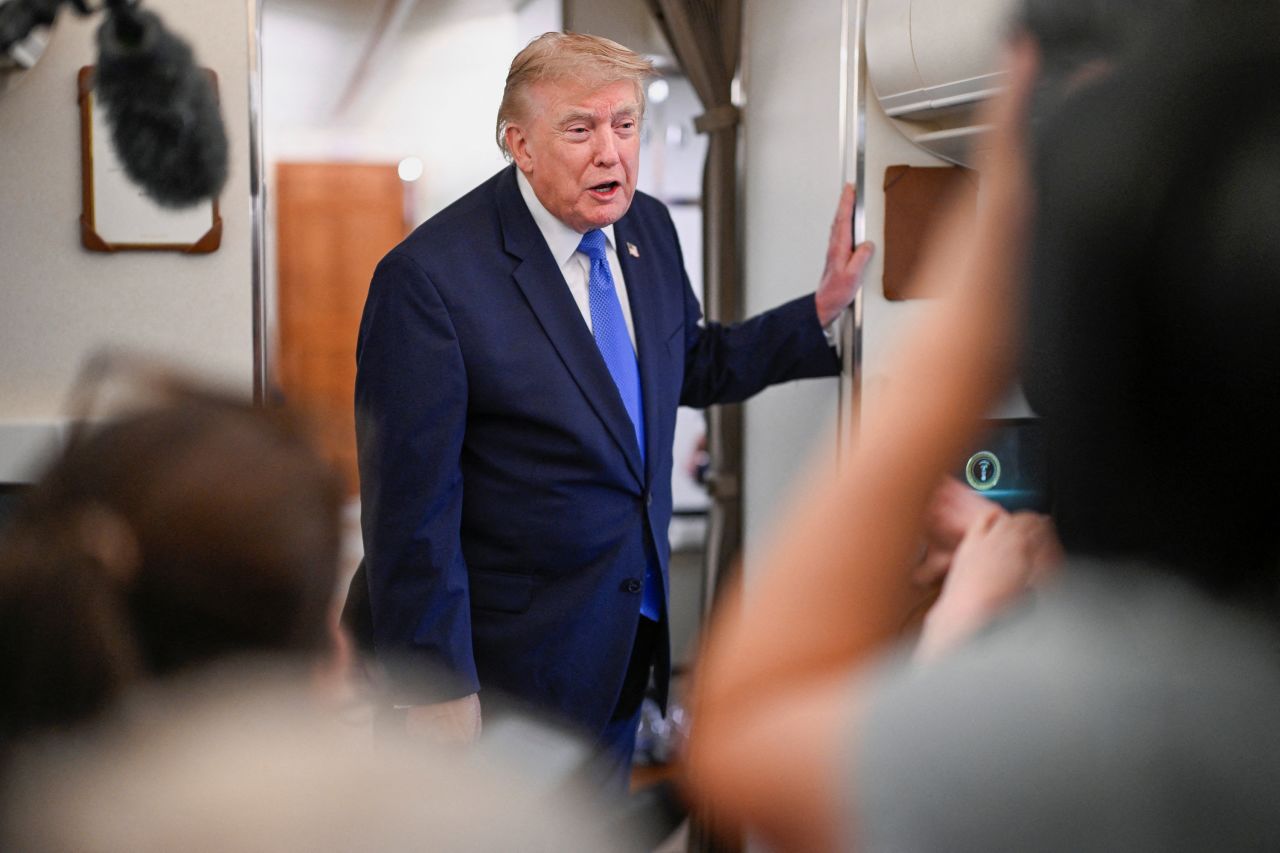
US President Donald Trump speaks to the media aboard Air Force One en route to Joint Base Andrews, in Maryland, August 2.
President Donald Trump said talks with Iran will resume on Monday after he said he called off a “massive attack” on the country
Trump said he was asked to call off the planned attack by allies such as Saudi Arabia, the United Arab Emirates, Qatar and by Iran
“We’re all set to go, but when the allies asked to call it off, they got us sort of saying, ‘Well, let’s see.’ And the reason they ask is they think there’s a deal,” Trump said. “There’s a deal on Hormuz, and then there will be a deal on the nuclear, or you might call it the denuclearization of Iran. I call it the denuclearization of Iran.”
Saudi Crown Prince Mohammed bin Salman held a phone call with Trump in which he pushed for a deescalation of the war, Saudi Arabia’s state news agency reported on Sunday. Earlier,to strike Iran during the call
Trump refused to answer a question on whether the attack would have hit energy targets and still emphasized in a Saturday Truth Social post that the United States remains “locked and loaded and ready to go” against Iran
Iranian state media has denied it asked Trump to stop planned attacks
“Trump the fool has run out of steam!” posted the semi-official news agency Fars on Sunday
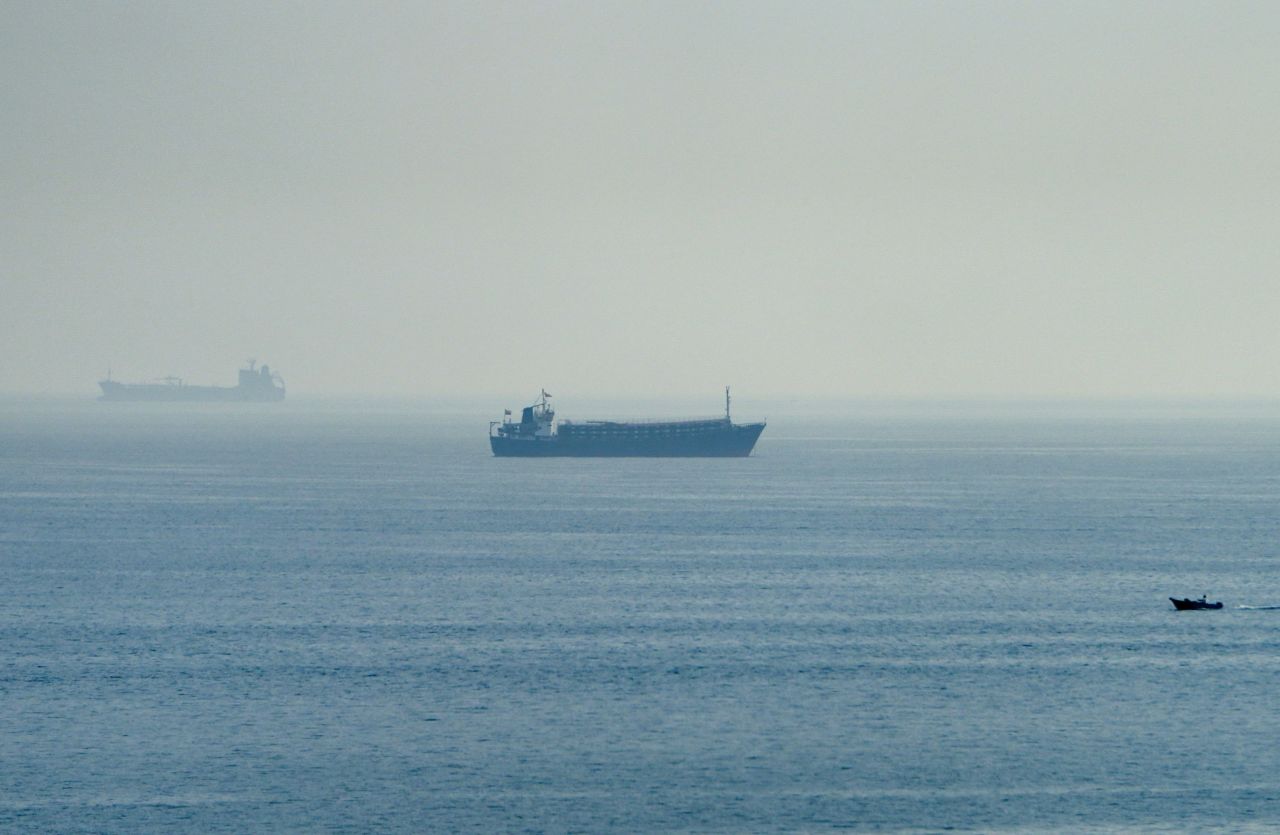
Vessels in the Strait of Hormuz, as seen from Musandam, Oman, July 31.
If you’re just joining us, we’ve been covering the uncertainty surrounding the state of Iran war talks, as well as the conflict’s persistent economic impacts
We’re awaiting the open of the oil futures market at 6 p.m. ET, which will provide our first glimpse at prices since US President Donald Trump said this weekend that he was holding off on new strikes against Iran for now
Trump said he is canceling a planned attack on Iran, contingent on the two sides “rapidly” making a deal. He touted progress in talks, including on reopening the Strait of Hormuz. But Iranian state media gave no indication that Tehran asked for the attacks to be called off or has changed its stance on the vital waterway
The collapse of the initial US-Iran ceasefire last month has been followed by greater disruptions to global shipping in the strait and elsewhere in the region, and Americans are facing high gas prices as a result
Here’s what else is happening:
- The Organization of the Petroleum Exporting Countries and its allies, known as OPEC+, has agreed to increase oil production in September in light of the disruptions to the energy market.
- Iran’s understanding with Oman on a new shipping route does not mean the Strait of Hormuzwill reopen, Iranian Foreign Ministry spokesperson Esmaeil Baqaei told Iran’s Islamic Republic News Agency. There have been ongoing negotiations between the countries regarding management of the strait.
- Iranian media outlets have reacted with glee and mockery to Trump’s announcement about holding off on strikes. Iranian state media claimed the US president was retreating, not responding to diplomatic developments.
- Meanwhile, Iranian officials have acknowledged mounting domestic economic and social problems after five months of the conflict. Iran’s unemployment has worsened since the conflict began, and its currency has hit new lows.
CNN’s Mohammed Tawfeeq, Auzinea Bacon, Tim Lister and Issy Lippolis, Andrew Carey, Abeer Salman and Ibrahim Dahman contributed to this report
Iran’s understanding with Oman on a new shipping route does not mean the Strait of Hormuzwill reopen, Iranian Foreign Ministry spokesperson Esmaeil Baqaei told Iran’s Islamic Republic News Agency (IRNA)
There have been ongoing bilateral negotiations between Iran and Oman regarding a mutual mechanism to manage the strait
“The understanding between Iran and Oman regarding a new route is unrelated to the reopening or continued closure of the Strait of Hormuz,” Baqaei said, describing the agreement as “a necessary condition, but not a sufficient one.”
Baqaei blamed the strait’s closure on “the United States’ breach of commitments, the US naval blockade of Iran,” and added, “therefore, the reopening of the Strait of Hormuz is an entirely different equation.”
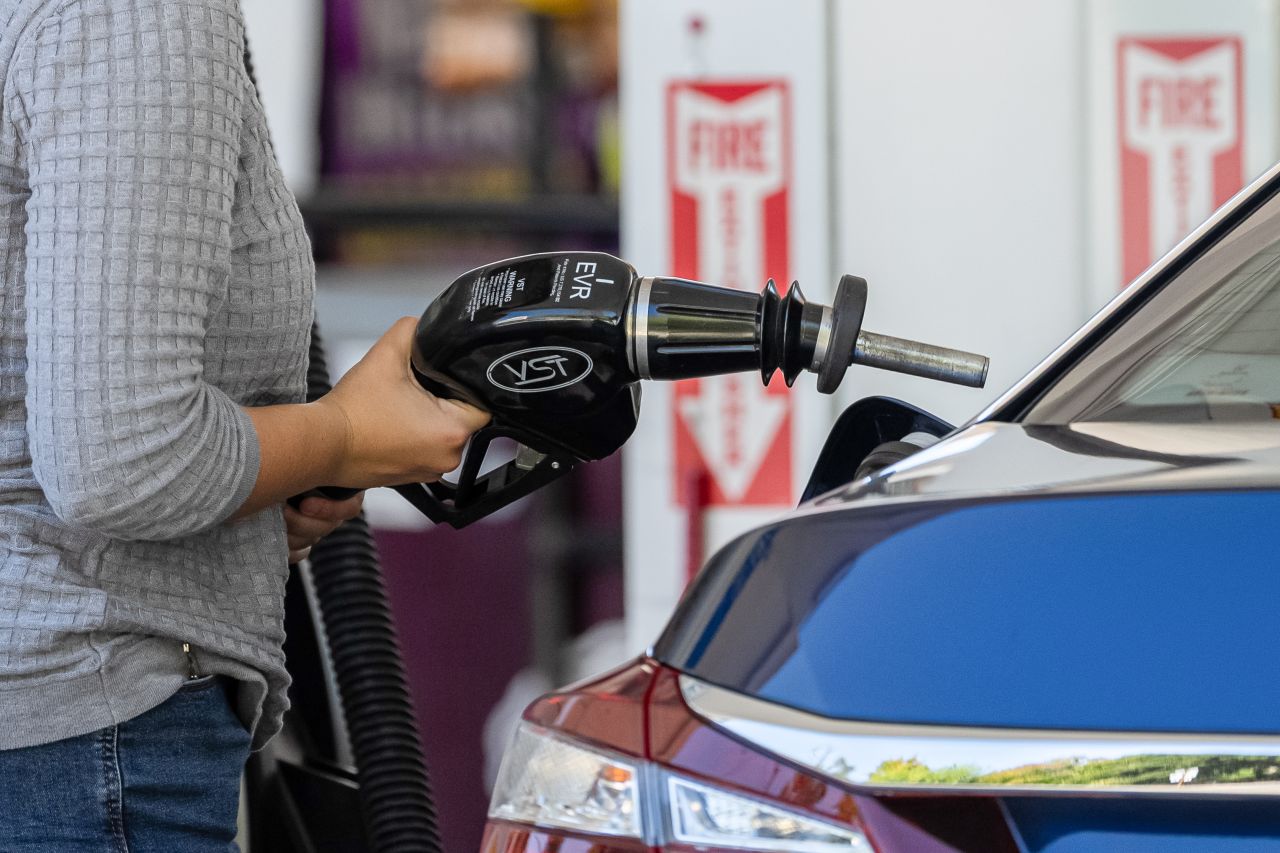
A driver refuels a vehicle at a Shell gas station in Palo Alto, California, on Tuesday, July 21.
The Organization of the Petroleum Exporting Countries and its allies, known as OPEC+, has agreed to increase oil production in September as the Strait of Hormuz remains impassable to maritime traffic
The oil-producing group will raise daily output by another 188,000 barrels a day, marking the cartel’s sixth consecutive agreement to increase production amid the war with Iran. The increase completes the commitment to gradually unwind a 2023 decision to cut production by 1.65 million barrels a day
The big picture:The group’s statement did not mention the war with Iran or disruptions to the Strait of Hormuz, through which about 20 million barrels of oil transited before the war began. Ship traffic through the strait has declined in recent weeks due to renewed strikes between the US and Iran. The Islamic Revolutionary Guard Corps has also targeted ships attempting to transit the strait
In a video conference, OPEC’s Joint Ministerial Monitoring Committee “expressed concern regarding attacks on energy infrastructure,” which will increase market volatility and require costly and time-consuming repairs
Oil market disruptions have also been exacerbated by the Russia-Ukraine conflict and Iran-backed Houthi rebels effectively blocking the Bab al-Mandeb Strait, through which Saudi oil flows. That waterway provided an alternate route from the Strait of Hormuz
Oil prices have climbed and Americans have faced higher gas prices since the initial US-Iran ceasefire agreement collapsed last month
We continue to track the Iran war’s impact on oil and gas prices, which have been rising since renewed fighting in the Middle East once again impacted shipping in the region
The oil futures market opens at 6 p.m. ET, providing our first glimpse at prices since US President Donald Trump said this weekend that he was holding off on new strikes against Iran for now
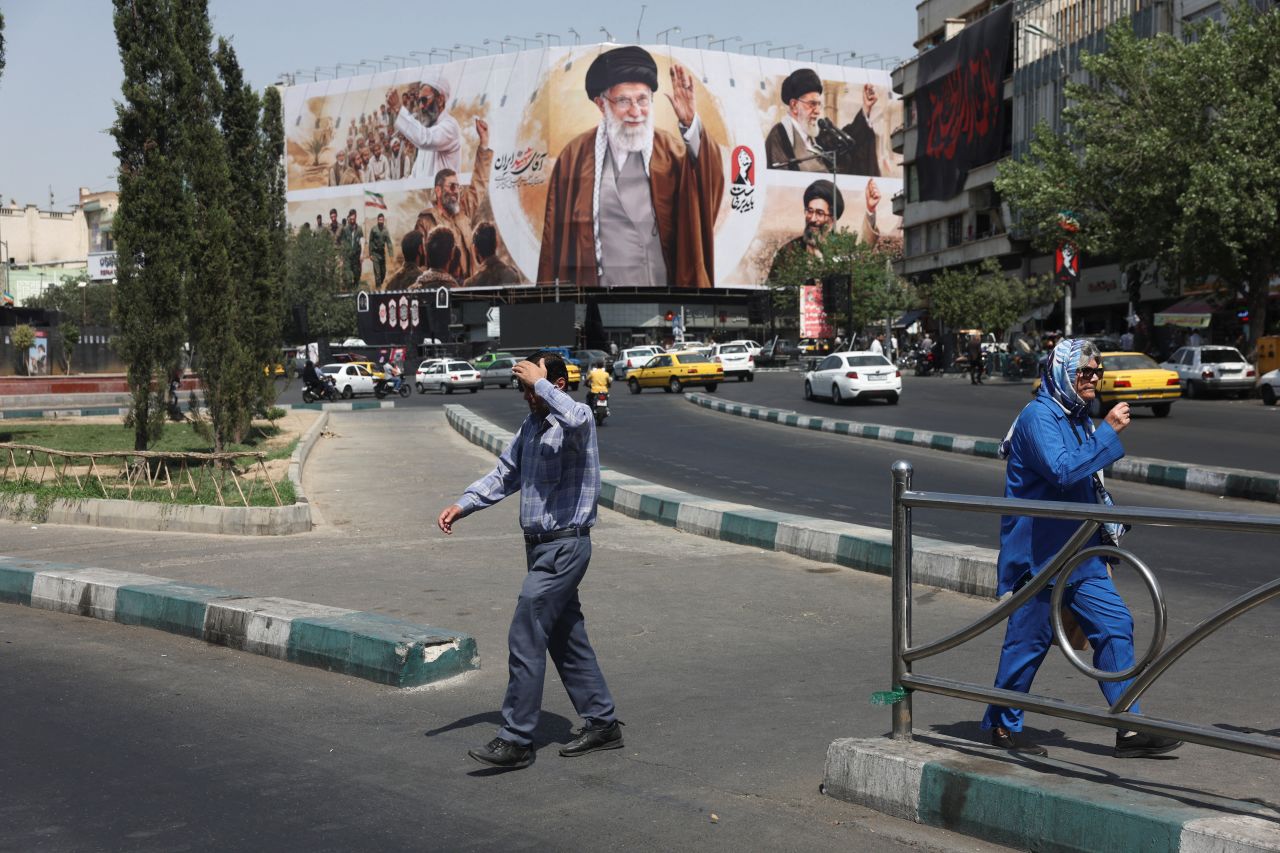
People walk past a billboard featuring images of Iran’s late Supreme Leader Ayatollah Ali Khamenei in Tehran, Iran, on July 13.
As we’ve been reporting, President Donald Trump says the US is canceling a planned attack on Iran subject to a deal being reached “rapidly,” citing progress in talks
The last major diplomatic breakthrough came in June, when the two sides signed a memorandum of understanding about pausing fighting while they negotiated a lasting end to the war. This broke down following clashes centered on the Strait of Hormuz, resulting in the resumption of the US blockade and a renewed, expanded regional conflict
Here’s a look back at how fighting originally resumed:
- July 1:US and Iranian negotiators travel to Doha, Qatar, for indirect negotiations. The delegations make “positive progress,” Qatari Foreign Ministry spokesperson Majed al-Ansari says.
- July 7: Iran fires on three commercial vessels in Oman’s territorial waters near the Strait of Hormuz, according to a US official. US Central Command says it launched strikes against Iran as “punishment.”
- July 8: Iran warns it will deliver a “crushing response” to the US strikes, and the country’s Islamic Revolutionary Guard Corps (IRGC) says it has launched attacks at 85 US military targets across Bahrain and Kuwait. Trump castigates Iran as “evil, sick people” at the NATO summit in Turkey, saying the memorandum of understanding “is over.” Hours later, the US launches more strikes against Iran.
- July 9: Tehran says the US military has struck a railway bridge in northern Iran. CENTCOM says the US has hit around 90 military targets in another round of strikes. A US official tells CNN that both countries are continuing to engage in technical negotiations on nuclear issues.
- July 10:Trump says the US has agreed to continue talks with Iran, but also that Washington has informed Tehran the ceasefire is no longer in effect. Iran’s chief negotiator Mohammad Bagher Ghalibaf says Tehran is prepared for “all-out defense” if the US breaks the agreement. The Trump administration imposes fresh sanctions on Tehran.
- July 11:Iran’s foreign minister accuses the US of violating a clause on Tehran’s nuclear program in their agreement.
- July 12: The IRGC announces it has closed the Strait of Hormuz after firing a warning shot at a vessel attempting to use an unauthorized route to cross the waterway. The US military launches more strikeson Iran, and insists that the strait is still open.
- July 13: US attacks across Iran continue into the afternoon, killing at least two people, Iranian media reports. Trump says he will reinstate a blockade of Iranian ships in the Strait of Hormuz, and the US carries out more strikes on Iran overnight.
CNN’s Mohammed Tawfeeq, Hira Humayan, Pamela Brown, Lex Harvey, Zachery Cohen, Jessie Yeung, Kevin Liptak, David Winkie, Isaac Yee, Clay Voytek, Betsy Klein, Aida Karimi, Lauren Kent, Jennifer Hansler, Rhea Mogul, Dalia Abdelwahab, Aleena Fayaz, Izzy Lippolis, Aileen Graef and Piper Hudspeth Blackburn contributed to this post

Vessels are anchored near the Strait of Hormuz, in the waters off Muscat, Oman, on June 18.
“Trump the fool has run out of steam!”… “Trump once again backed away from his hollow threats.”
Those were some of the rhetorical jibes in Iranian media outlets on Sunday, after US President Donald Trump claimed the foundations had been laid for a deal with Tehran – subject to a swift mechanism to open the Strait of Hormuz for all shipping
The US president again insisted Iran must relinquish its hold on the channel. However, Iranian news agencies gave no indication that Tehran’s position had changed. Iran has repeatedly sought to control maritime traffic in the waterway — through which ships carried about one fifth of the world’s oil supply before the war
Technically, both Iran and Oman have Exclusive Economic Zones (EEZ) in the Strait. But that does not allow them to impede shipping
According to the United Nations, a state has “sovereign rights” to explore, exploit, conserve and manage the natural re
However, under the United Nations Convention on the Law of the Sea (UNCLOS), “ships of all States, whether coastal or land-locked, enjoy the right of innocent passage through the territorial sea.”
A coastal state should not “hamper the innocent passage of foreign ships through the territorial sea,” it says, except in specific outlined scenarios. It may “take the necessary steps in its territorial sea to prevent passage which is not innocent,” UNCLOS outlines
CNN’s Tim Lister and Sana Noor Haq contributed reporting
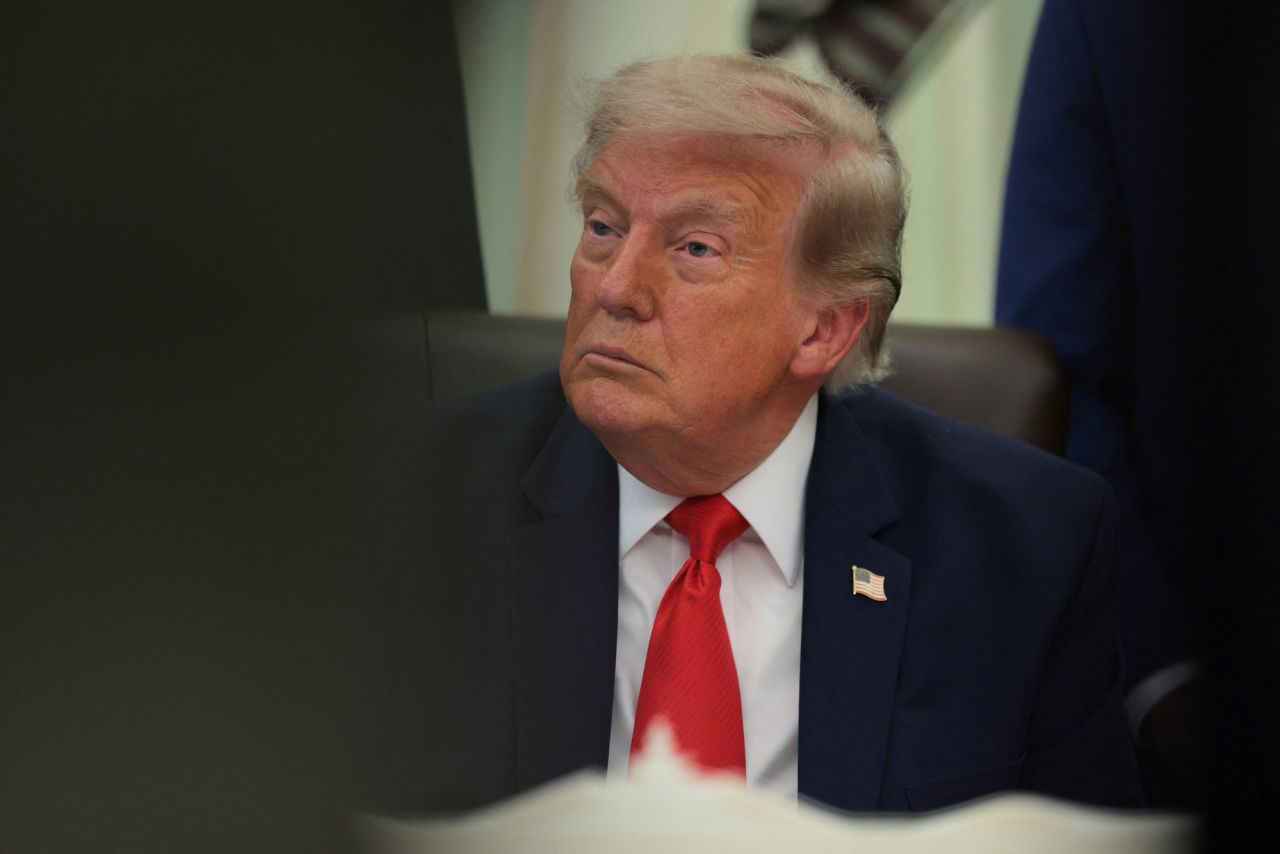
US President Donald Trump speaks at the White House in Washington, DC, on July 29.
US President Donald Trump’s Truth Social post overnight made clear to Israel there will be no immediate strikes on Iran, instead pointing to another round of talksto reach a lasting agreement
And it’s not just Iran where the US is actively pursuing diplomacy
Trump has also re-invested efforts to bring about progress in Gaza — and that means putting pressure on Israel to halt its attacks there
The Palestinian enclave remains subject to ongoing Israeli strikes, despite Trump announcing a breakthrough three days ago. In one of the latest attacks, a family of three were killed in a strike near Gaza City overnight, a Palestinian hospital director told CNN
Hamas has said it is committed to disarmament, as Trump announced last week, but only if Israel ceases fire, among other conditions
“The coming hours will be a test of seriousness, not intentions,” a senior Hamas official told CNN on Saturday evening
Mohammed Dahlan, a one-time Palestinian Authority leader in Gaza, now effectively exiled in the United Arab Emirates, wrote on Facebook that Jared Kushner, Trump’s son-in-law, was “working with the Israeli side to halt the attacks on Gaza.”
Dahlan’s wider influence is contested but he is seen as having remained close to various US administrations over many years
CNN has reached out to the White House and State Department for comment
While Netanyahu has not spoken publicly about Gaza developments since Trump’s announcement of Hamas’s promise to disarm, Israel’s Energy Minister, Eli Cohen, said there was no deal to halt attacks on Gaza and that he saw a need for Israel, which already controls 70% of the Strip, to take full control of it, in comments
A crucial bargaining chip throughout the US and Israel’s war with Iran has been that of the Strait of Hormuz – a vital waterway that been effectively closed by Tehran since the fighting began in late February
On Saturday, US President Donald Trump insisted the “perimeters of a deal” to halt strikes and immediately reopen the Strait “has been agreed to” after Iran and other regional countries urged the White House to “hold off any attack.” Iranian media swiftly rebuffed those claims, instead saying Trump had retreated
As Tehran and Washington issue mixed messages, the status of the Strait remains at the core of the conflict. The narrow waterway passing between Iran and Oman serves as the main route for shipping crude from oil-rich countries such as Saudi Arabia, Iraq and Kuwait to the rest of the world
Iran controls the strait’s northern side. About 20 million barrels of oil, or about one-fifth of daily global production, used to flow through the strait every day, according to the US Energy Information Administration, which calls the channel a “critical oil chokepoint.” According to the EIA, “very few alternative options exist to move oil out of the strait if it is closed.”
The strait also carries about one-fifth of global trade in liquefied natural gas
Energy analysts have warned that oil and natural gas prices are likely to remain elevated until the strait is passable, even as Saudi Arabia and the United Arab Emirates seek to expand other routes to get their crude to market
Iran has given no indication it asked President Donald Trump to call off planned strikes on the country, after Trump said he had cancelled the attacks, citing a progress in talks
The US president said he agreed to requests by Iran and other Middle Eastern countries “to hold off any attack in that the perimeters of a deal has been agreed to.”
Here are the latest developments:
- Iranian denial: Iranian media outlets have reacted with glee and mockery after Trump’s announcement. Iranian state media gave no indication that Iran had asked for the attacks to be called off, instead claiming Trump had retreated.
- Phone call:Saudi Crown Prince Mohammed bin Salman held a phone call with Trump in which he pushed for a deescalation of tensions in the Middle East, Saudi Arabia’s state news agency reported. Earlier, sources told CNN that the crown prince raised concerns over plans to strike Iran during the call.
- No strikes: No strikes were reported from either the Iranian or US side overnight into Sunday, following the announcement from Trump. Strikes in the region have been relatively calmer over the past few days.
- Mounting woes:While persistently defiant in the face of US threats, Iranian officials have acknowledged mounting economic and social problems after five months of conflict. Iran’s unemployment has worsened since the conflict began, and its currency has hit new lows.
CNN’s Tim Lister and Issy Lippolis contributed to this post
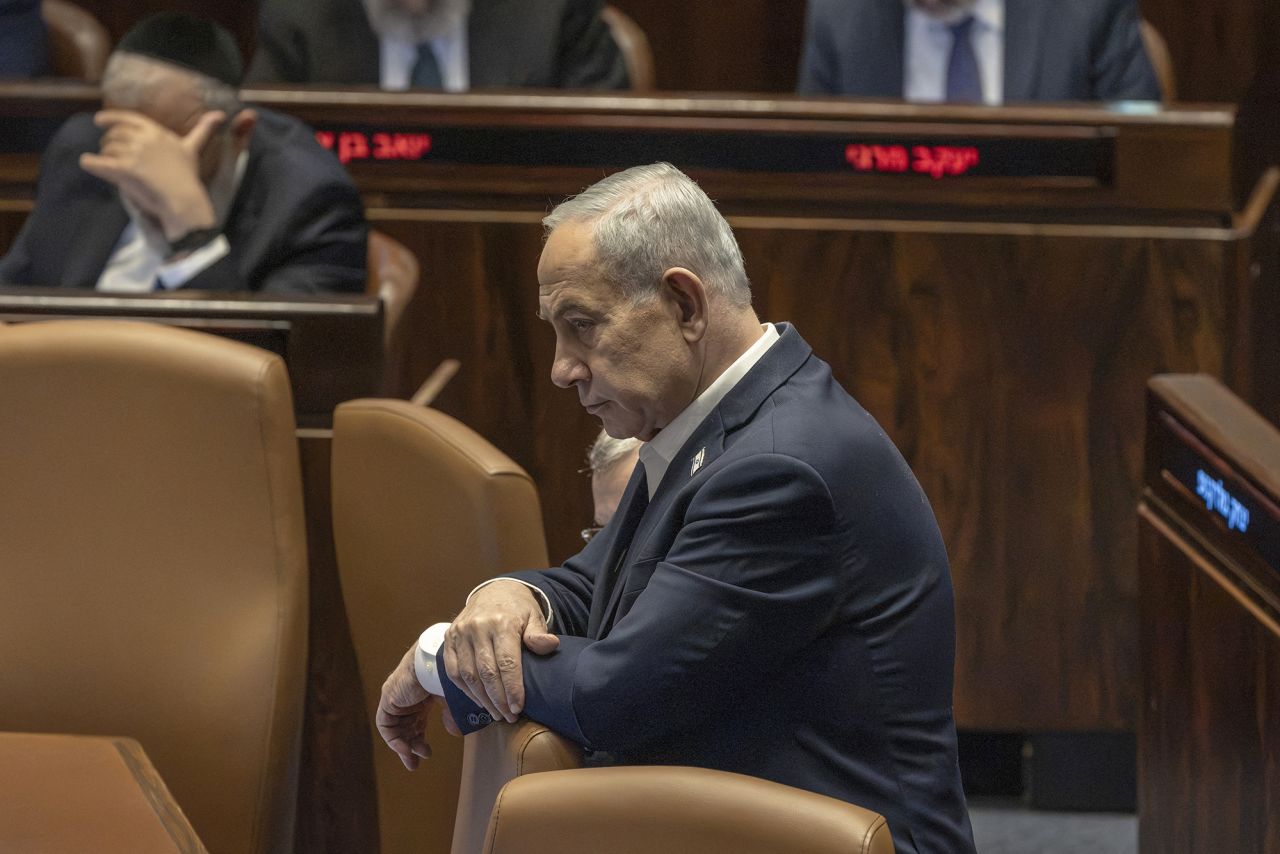
Israeli Prime Minister Benjamin Netanyahu attends a session of Parliament in Jerusalem on July 16.
In announcing he was calling off strikes on Iran, US President Donald Trump said “Israel joins me in this commitment.”
But Israel’s Prime Minister Benjamin Netanyahu is yet to comment — and that’s probably not surprising
Netanyahu was in the Oval Office as recently as Tuesday and might have hoped he had convinced the fickle US president of Israel’s arguments on both Iran and Gaza. But the start of the working week in Israel finds its leader grappling with setbacks in both areas
Netanyahu is desperate for the US to resume its military campaign against Iran in earnest
Convincing Washington to launch a major war was a triumph for the Israeli leader. But from Netanyahu’s perspective, and that of much of the Israeli public, it ended prematurely
Israel is less concerned about energy prices and the freedom of shipping companies to move oil out of the Persian Gulf. In Israel, it’s Iran’s nuclear program and the regime behind it that matters
They both look secure, and that makes Netanyahu vulnerable as the country moves to a general election in under three months’ time
On Gaza, Netanyahu’s office was already signalling concerns ahead of Trump’s declaration Thursday evening that Hamas had agreed to disarm, in what the US leader called a “monumental step towards lasting peace and security.”
Israel believes Washington is too quick to want a win and too ready to reach accommodations with Hamas to that end. Netanyahu wants no restrictions on Israel’s freedom to do what it wants in Gaza, and here, too, Israeli public opinion is largely behind him
Netanyahu will be keen to delay, or indeed scuttle if he can, any US-led efforts to halt strikes on Gaza or make any significant withdrawals, even if any pullbacks are to positions still well inside the enclave
While persistently defiant in the face of US threats, Iranian officials have acknowledged mounting economic and social problems after five months of conflict
“Today’s war is not just a war of missiles,” President Masoud Pezeshkian said last month, speaking at a meeting of Iran’s Supreme Judicial Council
“The most important battlefield today is the economy and livelihood of the people. If economic pressures cause social discontent to form and this discontent spreads, the enormous social capital that the people have created in support of the system will be lost.”
Iran’s unemployment has worsened since the conflict began, and its currency has hit new lows. In June, the annual inflation rate stood at 88%, according to official data
A US blockade of its ports, which was reinstated last month after a brief lull, as well as a resumption of US sanctions on its oil exports have strained already fragile public finances
Add to that regular power cuts in the broiling summer heat and shortages of medicines such as insulin, as well as billions of dollars in damage to infrastructure: roads, railways, ports and industrial plants
Neglect of problems in the south, which has borne the brunt of US attacks, means an opportunity has been lost “to prevent economic dissatisfaction from turning into a social divide. As a result, southern Iran has become the front line of a crisis,” reported the moderate media outlet Asriran on Sunday
Iran’s public finances did benefit from the lull in the conflict that allowed it to resume exports. Between March and late July, Iran’s oil export revenue totalled $7.5 billion, according to the Iranian oil ministry -– compared to less than $5 billion in the same period last year
But the overall picture is gloomy. The International Monetary Fund has projected that Iran’s real GDP will shrink by 6.1% this year
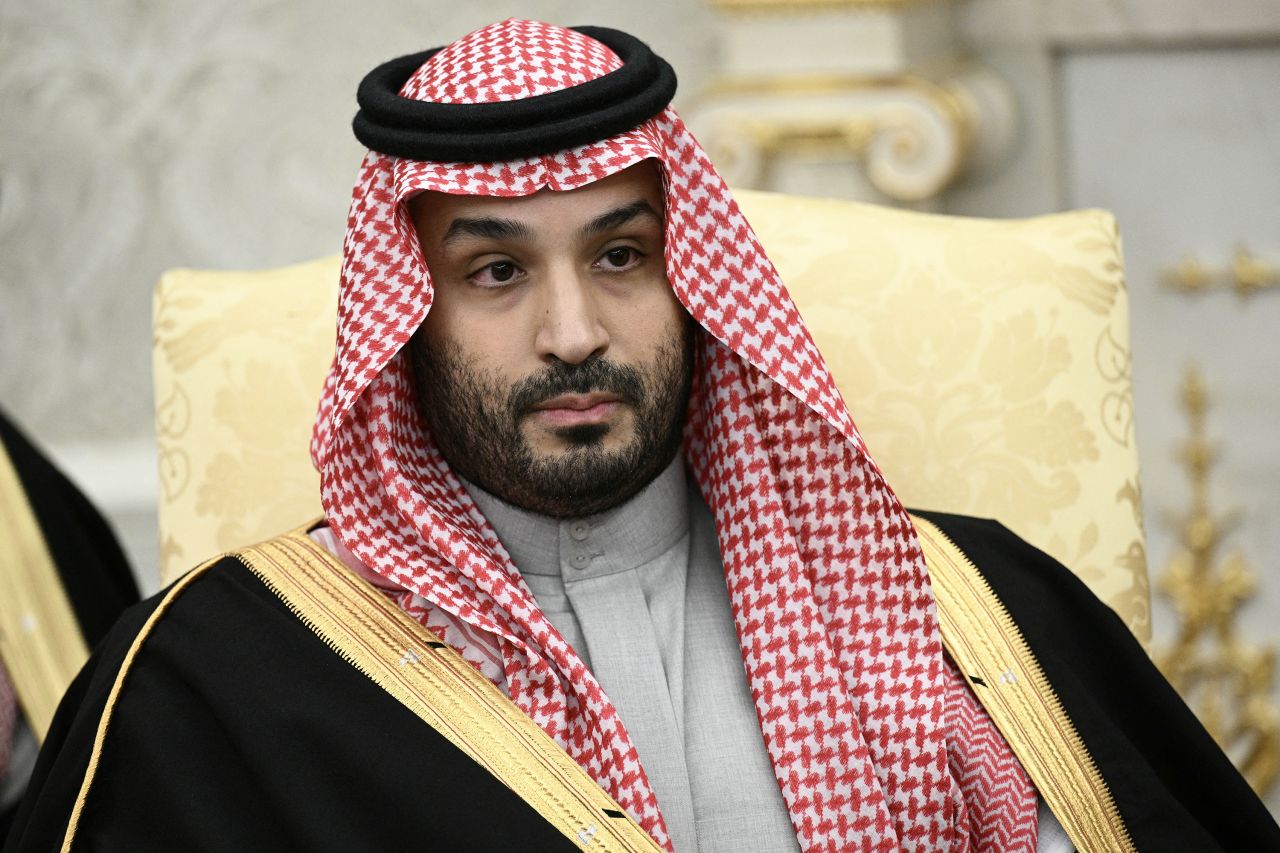
Saudi Crown Prince Mohammed bin Salman looks on during a meeting with President Donald Trump in the Oval Office of the White House on November 18, 2025.
Saudi Crown Prince Mohammed bin Salman held a phone call with US President Donald Trump in which he pushed for a deescalation of tensions in the Middle East, Saudi Arabia’s state news agency reported on Sunday. Earlier,to strike Iran during the call
CNN earlier reported that Trump spoke with Saudi Arabia’s crown prince on Saturday, according to four people familiar with the matter and a regionalince raised concerns about plans for potential strikes on Iran during the call
Trump has since called off the strikes, citing a progress in talks
Iranian media outlets have reacted with glee and mockery after US President Donald Trump’s announcement late Saturday that he will hold off further strikes against Iran
“We have just been asked by Iran, and other Middle Eastern Countries, to hold off any attack in that the perimeters of a deal has been agreed to,” Trump said in a social media post. “This would include the Immediate, Complete, and Total OPENING OF THE HORMUZ STRAIT.”
Iranian state media gave no indication that Iran had asked for the attacks to be called off or that Tehran’s position on the Strait of Hormuz had changed. Iran has insisted on a role in managing traffic through the strait
Instead, Iranian media claimed it was Trump who had retreated
“Trump the fool has run out of steam!” posted the semi-official news agency Fars
“The Americans’ mountain gave birth to a mouse once again,” said Morteza Semiari, a political commentator in Tehran using a Persian proverb
Trump had “backed away from his positions once again after about a week of boasting and threats against Iran, claiming that an agreement was close,” said KayhanOnline, which is directed by Iran’s Supreme Leader
“Whether he continues his aggression or backs down, our forces remain at the highest level of readiness and have prepared for every possibility,” Mehr added in another post
Several Iranian news agencies picked up recent reporting in western media, including CNN, about growing shortages of US air defense missiles, which was “one of the main factors behind Donald Trump’s decision to halt the attack on Iran,” said the semi-official Tasnim news
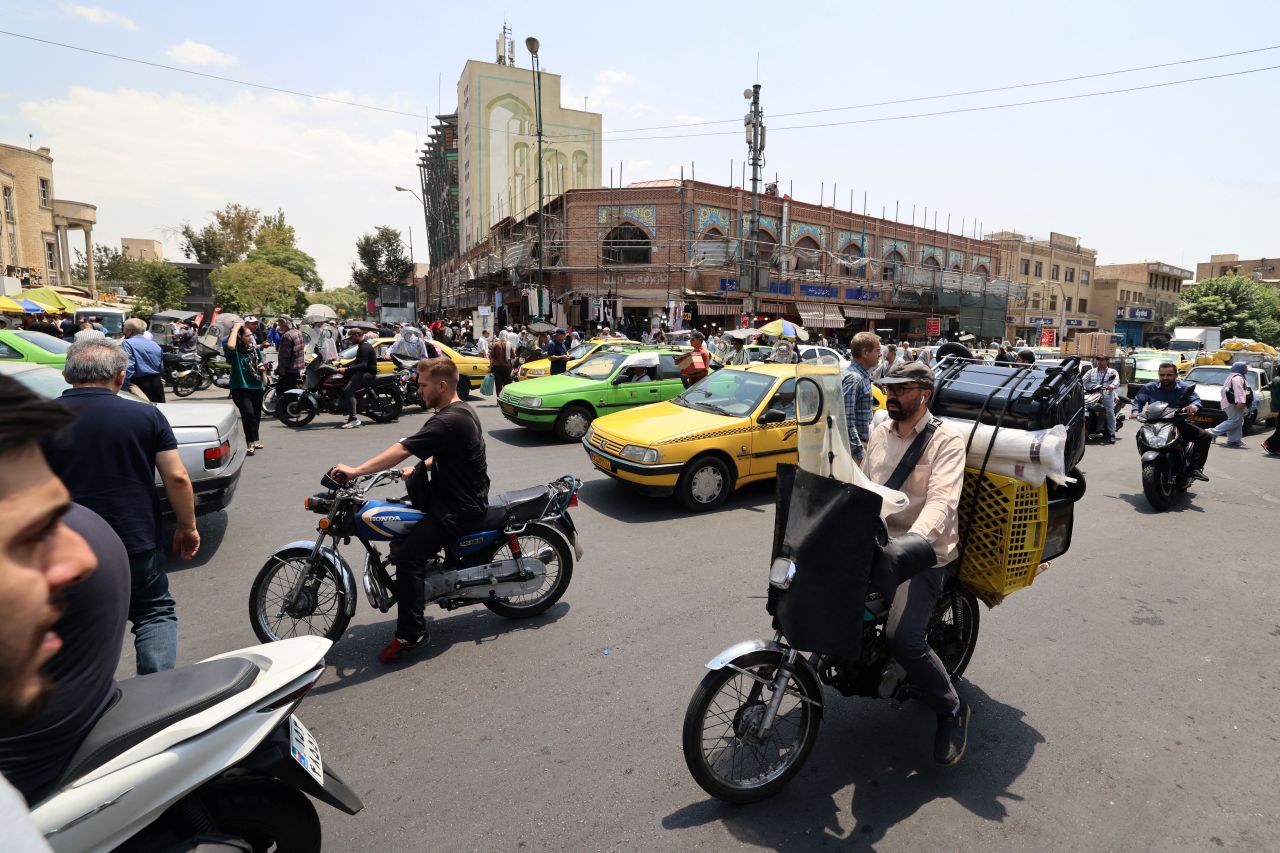
Traffic drives past the area of the Grand Bazaar in Tehran on Saturday.
No strikes were reported from either the Iranian or US side overnight into Sunday, following an announcement by President Donald Trump that he is calling off a planned attack on Iran, contingent on being able to make a deal
Strikes in the region have been relatively calmer over the past few days, although Kuwait said Iran hit a building belonging to a Chinese company in the northern part of the country on Thursday, killing one employee. The country’s armed forces said they intercepted drone attacks on Saturday, and blamed `’Iranian aggression`’
Trump announced Saturday night he was canceling the planned strikes after Iran and “other Middle Eastern countries” asked him to “hold off.”
After three difficult years, armed groups loyal to Tehran appear to be bouncing back across the Middle East, reinforcing Iran’s leverage in its war with the US and Israel
For decades, experts say, these groups played a key role: acting as a powerful deterrent against direct attacks on Iran. The “Axis of Resistance” – an anti-Israel and anti-Western alliance of regional militias backed by the Islamic Republic – was, however, significantly weakened by Israel’s large-scale military response to the2023 Hamas attackand the regional repercussions that followed
It was when this axis was in a weakened state that direct conflict between Israel, the US and Iran erupted. Today, however, several armed groups allied with Tehran are back to pressuring Iran’s foes by opening new frontsthat complicate the war and threaten to choke the global economy
While those allies are back serving Tehran’s interests, they are not without political motivations of their own
“Iran’s relationship with these groups is more complex and multifaceted than the common media practice of referring to them as ‘proxies’ suggests,” Ali Ahmadi, a fellow at the Geneva Centre for Security Policy and Middle East Institute Switzerland, told CNN
If US President Donald Trump pressed ahead with attacks on Iran, it would deal further blows to the Gulf nations already on the receiving end of Tehran’s counterattacks, a political analyst told CNN Sunday
Trump announced he was canceling planned strikes on Iran late Saturday evening, citing progress in talks. Earlier, CNN reported that Trump held a call with Saudi Arabia’s Prince Mohammed bin Salman and the crown prince raised concerns about plans for potential strikes on Iran
“I think the Saudis don’t have confidence that the US has a winning military strategy,” said Trita Parsi, executive vice president of Quincy Institute for Responsible Statecraft. “All that would lead to is more suffering for them without actually changing the facts on the ground or changing the direction of this conflict.”
“It’s all loss, no gain,” he said, adding that “they know that type of escalation will only lead to a counter-escalation by the Iranians in which they see GCC (Gulf Cooperation Council) states will be the biggest victims.”
Once again US President Donald Trump has pulled back from a threatened escalation of US strikes on Iran
Trump said in a Truth Social post that the US military was “locked and loaded and ready” to unleash “levels of Military Terror, Strength, and Power not seen since World War II,” but decided to call off strikes as Tehran and other Middle Eastern countries asked to “hold off any attack.”
Analysts noted the economic pressure the war has put on US allies around the region as to why they’d like to see hostilities stop. And they noted Iran faces those same economic hardships as well as a military that has been severely degradedby over five months of war
But it’s also a military that retains a punch, as demonstrated by deadly strikes on US forces in the region in the past month
Meanwhile, the US military is facing some tough questions about its ability to defend US forces as stocks of Patriot and Terminal High Altitude Area Defense (THAAD) interceptors are becoming increasingly stretched
A report from the Center for Strategic and International Studies last week found the US inventory of Patriot interceptors, the prime defensive missile in the American arsenal, was at about a third of its pre-war level, from 2,330 to between 759 and 827 as of July 27
THAAD interceptors, designed to hit ballistic missiles well before they near their targets, are down from 452 before the war to 278 or fewer now, according to the CSIS report
The expenditure of those munitions goes along with other losses of materiel, including fighter jets, airborne early warning and reconnaissance planes, helicopters and drones
At sea, US naval assets have seen extended deployments, which can push back needed maintenance and repairs
“For an expansive, modern, and highly capable military like the US joint force, readiness hits are cumulative, while trade-offs are immediate,” Ariane Tabatabai, senior fellow at the Chicago Council on Global Affairs, wrote in June
Almost two months later, the US joint force has been stretched even further, leading to questions on whether it can deliver a knockout blow in the war
Trita Parsi, co-founder and executive vice president of the Quincy Institute for Responsible Statecraft, said on CNN Sunday that Iran has been able to keep fighting back every time the US increases military pressure – and could probably do so again
“The bottom line is: Trump does not have an escalatory way out of this conflict,” Parsi said
