

The death of a woman after she visited a Bronx lifestyle center for a popular anti-aging injection is raising questions about the safety of treatments used to keep people beautiful
The incident prompted CBS News New York Investigates to look into how you can keep yourself safe when attempting to do any of these treatments.
Woman dies after getting injection at Bronx center, police say
The 27-year-old walked into Bereshit Lifestyle Center on Riverdale Avenue on Sunday and police say Luis Rojas Cabrera injected her with NAD+, a compound some market as an anti-aging miracle
A little more than an hour later, she was dead, police say
“I am not a licensed doctor in New York,” Cabrera told police in the criminal complaint
NY Post
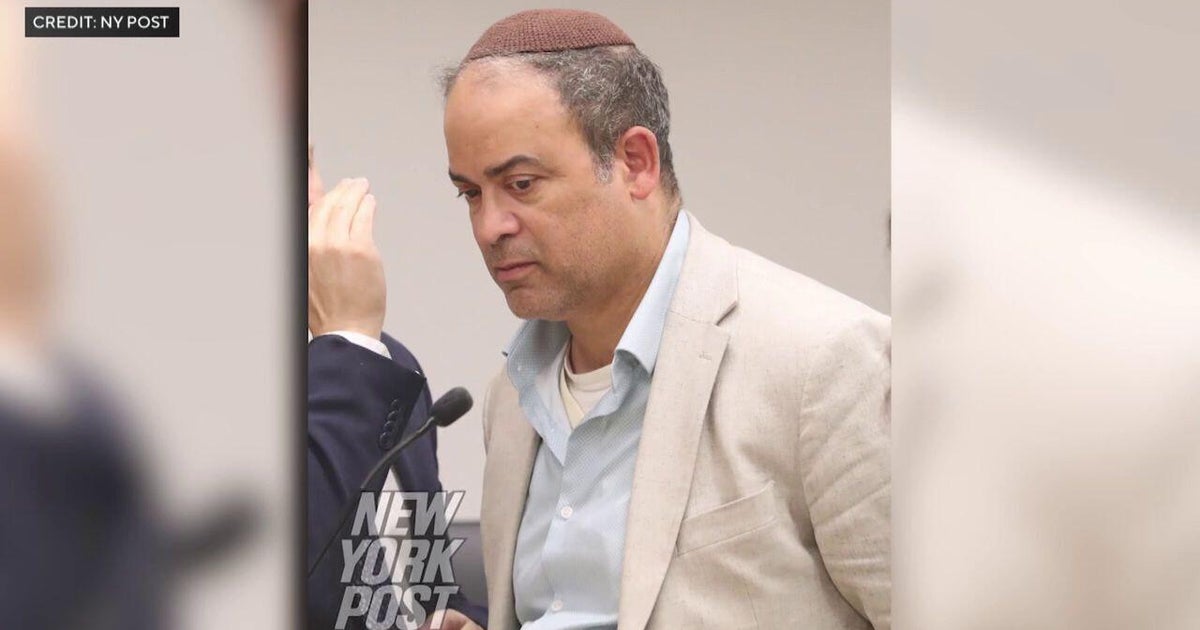
The 55-year-old is now charged with reckless endangerment and unauthorized practice
Cabrera was arraigned and released and his attorney declined comment at this time
The medical examiner will determine the cause of the woman’s death
New York State continues to probe medical spas
A treatment going horribly wrong is a scenario that’s not uncommon, according to the New York Department of State, which posted a warning about unlawful medical spas back in January
The state said another woman in Flushing, Queens, was apparently told she was getting Botox and stem cells. Instead, officials say an unknown substance left her burned and blistered
Walter Mosley, New York’s secretary of state, is currently overseeing an investigation into med spas
“We have over 337 med spa inspections that have been completed,” Mosley said
The Department of State said 24 have been shut downigators found expired drugs, counterfeit products, and even fentanyl
Patients need to do their homework, surgeon says
CBS News New York Investigates asked Dr. Tommaso Addona, a board-certified plastic surgeon at New York Plastic Surgical Group, how people can protect themselves before beauty treatments
“When I was in training, we had providers inject in their garage in Queens and we would see the complications from those patients,” Addona said
He said there are three licenses you should always ask about — the person, the building, and the bottle
“The person administering the injection, you want a license there. The facility that’s actually hosting the provider, you want a facility licensure there. And then on top of that is the manufacturing license. These products have to come from companies that are authorized and approved to manufacture these products,” Addona said, adding a medical license is needed to do injections
He explained his own rule
“When I send my family to see someone, I do a deep dive online about them,” Addona said. “The reality is, it’s been going on for decades. It’s tough to control. but patients can control it, because they can do their homework.”
Addona offered his reaction when he learned of what happened to the woman in the Bronx
“Terrified for patients is how I felt,” Addona said
