


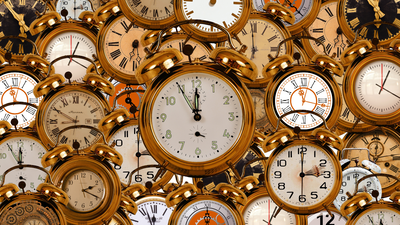
Millions of Americans will gain an extra hour on Sunday, November 1, when daylight saving time ends and clocks go back by one hour. But while the change may appear to offer a welcome chance to sleep longer, it can still leave some people feeling tired, groggy or out of step with their usual routine for several days.The reason lies in the body’s internal clock. Even when the time on a clock changes, the biological processes that regulate sleep and alertness do not necessarily adjust immediately.As reported by Live Science, daylight saving time will end across most of North America on November 1, 2026. At 2 am local daylight time, clocks will move back to 1 am, returning to standard time. Hawaii and most of Arizona do not observe daylight saving time.
Why an extra hour does not guarantee better sleep
The body’s sleep-wake cycle is governed in part by its circadian rhythm, a roughly 24-hour internal timing system that helps regulate when we feel alert and when we become sleepy. Light is one of the most important signals that keeps this system aligned with the day.According to the official website of Sleep Foundation, changing the clock alters the timing of natural light exposure and can temporarily disrupt the body’s sleep-wake schedule. This may affect when a person feels sleepy, when they wake up and how alert they feel during the day.The autumn change is generally easier to adjust to than the spring transition, when clocks move forward and people lose an hour. However, gaining an hour on paper does not necessarily mean getting an extra hour of restorative sleep. A person who wakes at their usual biological time may find themselves waking earlier according to the new clock. Others may struggle to fall asleep at their new bedtime or wake repeatedly during the night.The effects of clock changes can last from a few days to, in some cases, several weeks. How quickly someone adjusts depends partly on their existing sleep schedule and how their body responds to changes in light and timing.
How earlier darkness affects the body
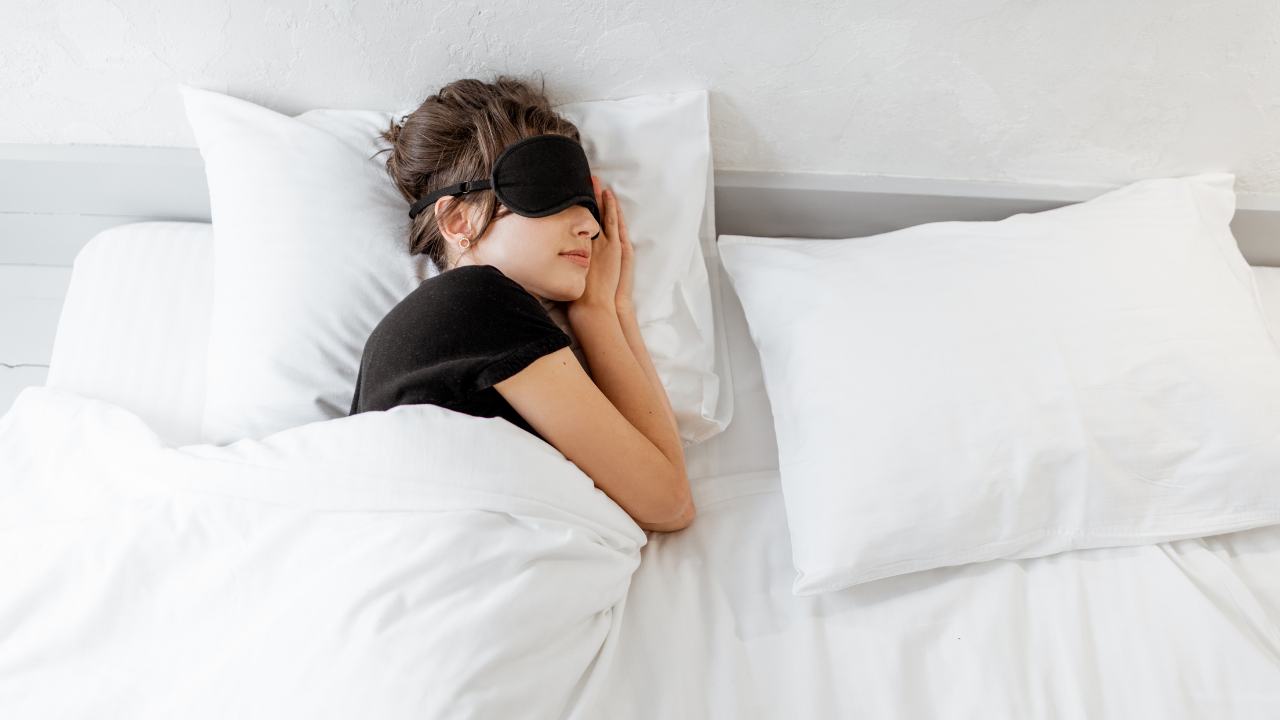
Photo: Canva
The change also shifts daylight towards the morning and brings sunset an hour earlier according to the clock. For people who work indoors throughout the day, this can mean spending much of their working time without natural light and leaving work after dark.Raghu Upender, a medical expert at Vanderbilt University Medical Center said on October 27 that light entering the eyes helps regulate melatonin, a hormone involved in the sleep-wake cycle. Light suppresses melatonin production, while darkness encourages it. “There are direct neural pathways from the eye to the brain structures that help re-sync the biological clock. Daylight helps us be active and productive,” Upender said. He added that the earlier onset of darkness can leave some people feeling more fatigued on their journey home, potentially increasing the risk of accidents.The shorter days of autumn and winter can also affect mood and energy levels. These effects are not the same for everyone, but reduced exposure to daylight can make it harder for some people to maintain their usual level of alertness.
What sleep experts recommend
Sleep specialists recommend preparing for the clock change rather than relying on the extra hour alone. A few adjustments can help the body settle into the new schedule.
- Keep your sleep and wake times consistent: Try to go to bed and wake up at roughly the same time every day, including weekends. A regular schedule gives the body a stable routine to follow while it adjusts to the clock change.
- Get daylight in the morning: Experts recommend getting natural light early in the day to help reset the body’s internal clock. An outdoor walk can be useful. If going outside is not possible, opening the curtains and allowing more daylight into the room can help.
- Adjust your routine gradually: The American Association of Retired Persons (AARP), in advice published ahead of the November 1 change, recommends shifting bedtime and other daily routines gradually in the days before the clocks go back. Moving bedtime by around 15 to 20 minutes at a time may make the transition less abrupt. Meal and exercise timings can also act as signals for the body’s daily rhythm, so keeping them regular may help.
- Make the bedroom suitable for sleep: The Vanderbilt University Medical Center recommends keeping the bedroom quiet, dark and at a comfortable temperature. A relaxing pre-sleep routine, such as reading or listening to calm music, can help prepare the body for bed. Bright screens and other stimulating activities close to bedtime may make it harder to wind down. Experts also advise avoiding caffeine, alcohol and large meals close to bedtime.
- Exercise during the day: Physical activity can help people cope with the shorter days and maintain their daily routine. Upender recommends exercising earlier in the day rather than immediately before bed. If you feel sleepy during the day, the Sleep Foundation suggests keeping naps short, around 20 minutes or less to reduce the chance of waking up irritated or interfering with nighttime sleep.
How long will it take to adjust?
For most people, the autumn clock change is manageable, and the body adjusts within a few days. But the transition can take longer for people who already have irregular sleep schedules or find it difficult to adapt to changes in their wake-up time. The key is to remember that the clock changes instantly, while the body may need time to catch up. Getting daylight, maintaining regular sleep hours and keeping daily routines consistent can help make the adjustment easier.