

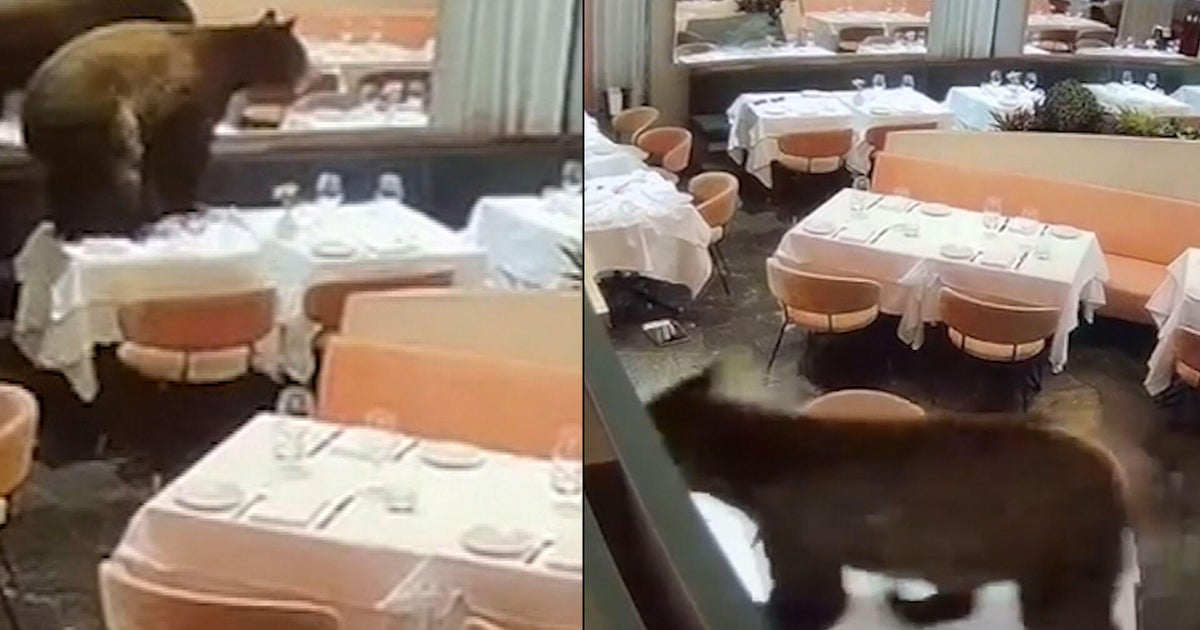
Colorado Parks and Wildlife has received more than 6,000 bear reports so far this year, roughly double the number during the same period last year. Wildlife officials say drought conditions are reducing natural foodries. The encounters have happened across the state
Sant Ambroeus Aspen
A bear recently wandered into a restaurant in Aspen, while another was spotted on Colorado State University’s campus during move-in week. In Colorado Springs, a 250 pound black bear got into an unlocked car, became trapped and eventually died inside the vehicle. In Eagle-Vail, CPW is also investigating after a bear encountered a person at an apartment complex, resulting in a minor injury
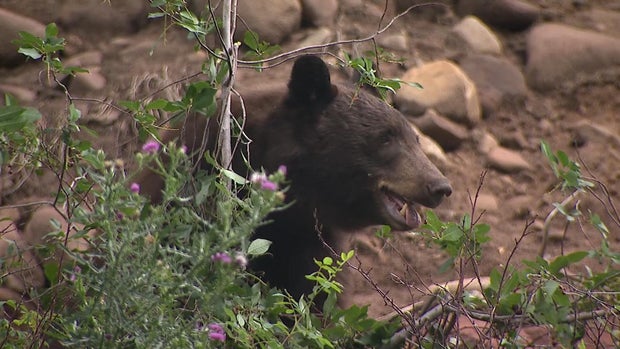
The U.S. Forest Service says the reason we’re seeing so much activity right now is simple: bears are hungry
“They just don’t have the natural food Boyd with the U.S. Forest Service. Late summer is normally when bears are packing on calories for winter, eating foods like berries and acorns. But the USFS said drought and late frosts have affected those food
“They’re just really hungry and just getting a little desperate to start getting those calories,” Boyd said
That search for food is bringing bears into campgrounds, dispersed campsites, communities and even deeper into the backcountry
“I think it’s pretty much off the charts for the number of encounters,” Boyd said
The Forest Service says people can help prevent those encounters by making sure bears never get a “food reward.”
“We want to make sure that they don’t get anything,” Boyd said. “Once they’re rewarded, then they just get more persistent and eventually, typically, become more aggressive and dangerous.”
Colorado also recently changed the law regarding people who leave food or edible waste in a way that attracts bears. House Bill 26 1342 became law Aug. 12 and changes the standard for the offense while removing the requirement that a first violation receive a warning
For people heading into the backcountry, the Forest Service recommends using bear resistant food containers and storing food away from campsites. At home or in town, officials say the basics still matter: lock your vehicle, remove food and trash, and secure your garbage
The goal is to keep bears wild and healthy, and keep them from learning that being around people means an easy meal
