

Artificial intelligence is becoming both a weapon and a shield in cybersecurity
Attackers can use it to produce more convincing phishing messages, search for vulnerabilities faster and lower the technical barrier to launching attacks. Defenders can use the same technology to examine networks, automate routine work and identify weaknesses before criminals exploit them
That two-sided transformation is changing what cybersecurity employers expect from workers in North Texas
Article continues below this ad
Jonathan King of Texas Cyber Command said the state has seen increases in both the volume and sophistication of cyberattacks. AI can make malicious messages easier to produce at scale, King said, while also helping cyber defenders automate threat detection and accelerate incident response times
The shift is already affecting entry-level work. Jason Garrett, dean of UNT Dallas’ School of Business, said one cybersecurity executive initially encouraged the university to prepare students for entry-level security operations center analyst jobs. Within about a year, the same executive said his company had automated that role with AI and no longer hired for it
Other employers still hire entry-level analysts, Garrett said, but the example helped shape the University of North Texas at Dallas’ new cybersecurity degree around skills that can outlast a particular job description. The program emphasizes critical thinking, communication, teamwork and adaptability alongside technical training
How AI is changing entry-level jobs
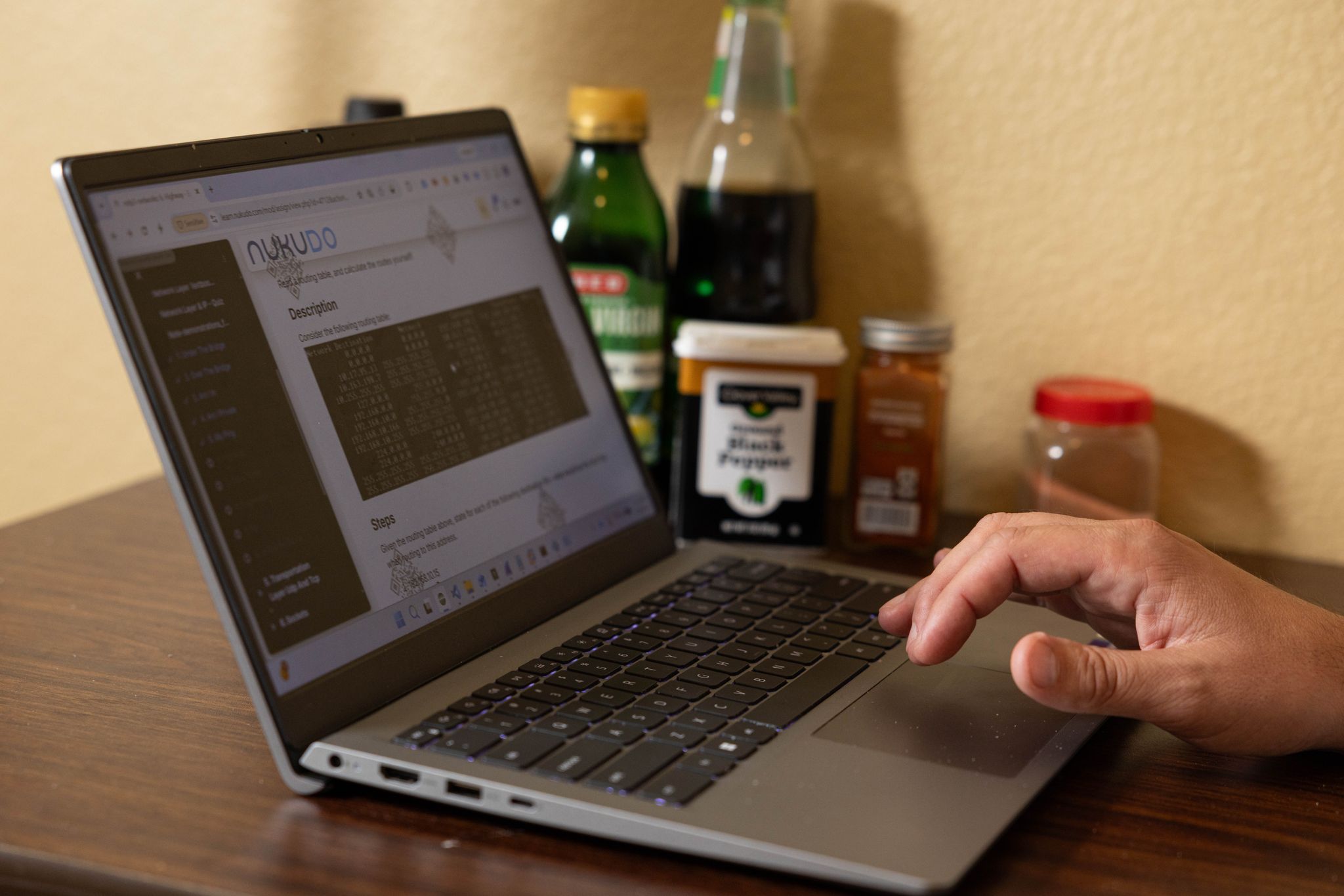
Career changers are encountering the same reality. Maturon Miner, a NuKudo trainee who spent 15 years in the craft beer industry, said junior cybersecurity positions can be harder to obtain because some routine work is now automated. He sees NuKudo’s paid training and employer placement model as a way to gain the practical experience companies increasingly demand
Related: 3 ways North Texans can prepare for cybersecurity careers
Article continues below this ad
At HEXA Innovation in Richardson, CEO Paul Johnson said AI has expanded what his existing workforce can accomplish. Building engineer and cybersecurity professional Eric Masso used AI-assisted coding to create a system that manages 29 rooftop air-conditioning units while accounting for the building’s solar power generation, helping reduce costly electricity demand spikes
Johnson compared AI to giving a skilled carpenter access to power tools. The craft still matters, but the worker can complete more complex tasks faster
The comparison also illustrates why employers are not simply looking for people who know how to enter prompts. Johnson said they need workers who are curious, understand business objectives and can judge whether an AI-assisted solution actually solves the problem
AI reshapes learning
The technology is also changing how people learn. Stewart said Lancaster ISD has added staff who train teachers and administrators to use AI for tasks such as lesson planning and analyzing student data, even though he does not rely heavily on it in his own daily technician work
Article continues below this ad
Gillespie said she used AI to help study for her insurance adjuster’s exam when she could not afford a course. Since entering cybersecurity training, she has learned to use it more deliberately to locate reliable reubstitute for understanding the material
Related: Cybersecurity jobs are growing. North Texas is changing who gets them
Cybersecurity professionals also cannot rely blindly on automated systems. UNT Dallas associate professor Saif Al Sultan warned that security algorithms can be trained on poisoned or manipulated data, making human oversight essential even as AI becomes more capable
For aspiring workers, the result is a moving target. Some routine entry-level tasks may shrink, but the need for people who can interpret threats, communicate findings, work with others and apply AI responsibly is growing
The strongest preparation may be less about mastering one tool than learning how to evaluate new ones. As Garrett put it, cybersecurity jobs may not look the same five years from now. The workers most likely to keep pace will be those prepared to move with the field rather than be left behind by it
Article continues below this ad
This reporting is part of the Future of North Texas, a community-funded journalism initiative supported by the Commit Partnership, Communities Foundation of Texas, The Dallas Foundation, the Dallas Mavericks, the Dallas Regional Chamber, Deedie Rose, Lisa and Charles Siegel, the McCune-Losinger Family Fund, The Meadows Foundation, the Perot Foundation, the United Way of Metropolitan Dallas and the University of Texas at Dallas. The News retains full editorial control of this coverage
