

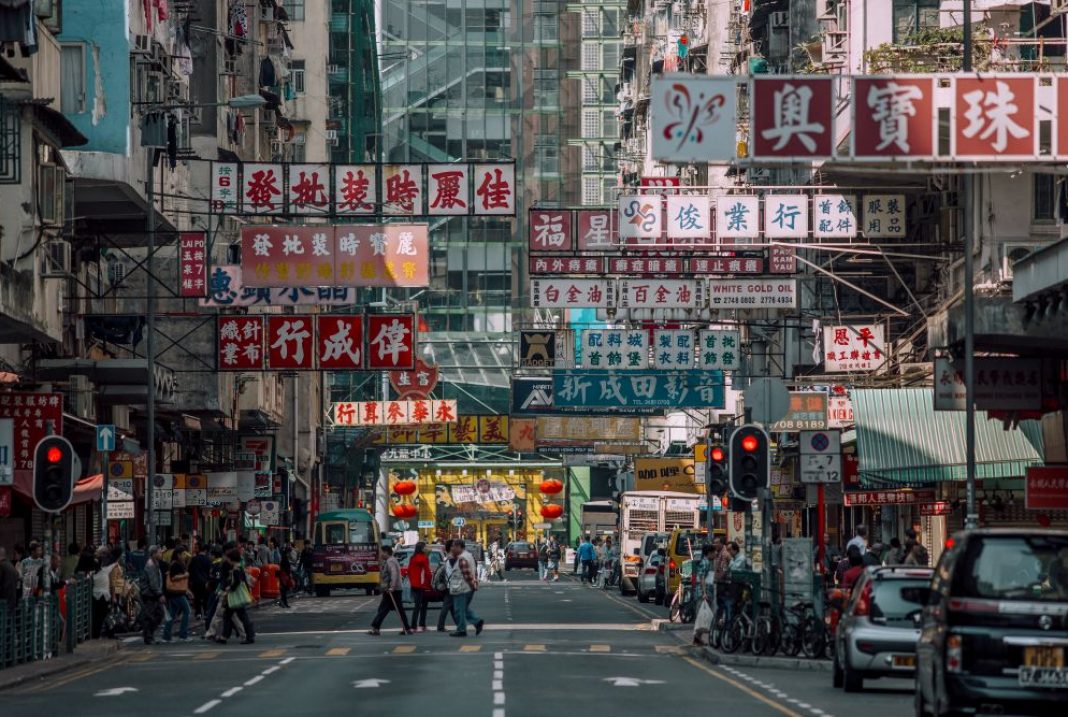
Hong Kong tourism officialsare calling for more experiential events, better transport links and closer cooperation with mainland Chinese cities as the destination struggles to convert rising visitor numbers into higher spending, analyzed recentlyTheSouth China Morning Post
The warning comes after visitor spending in Hong Kong fell to about HK$197.5 billion ($25.3 billion) in 2025, 44% below the HK$353 billion (US$44.99 billion) recorded in 2018, according to research
The contrast with visitor arrivals is striking. Hong Kongreceived 49.9 million visitors in 2025, up 12% year over year,although it still remains far below the 65.1 million recorded in 2018. Non-mainland visitors accounted for 12.1 million arrivals, up 15% from 2024
The recovery has continued in 2026. Hong Kong recorded23 million arrivals in the first five months of 2026, up 14%. Non-mainland visitors totaled 5.32 million, an increase of 7%. Long-haul arrivals performed particularly well, rising 20% during the period
For Hong Kong, however, the problem is increasinglyquality rather than quantity
Lawmaker Perry Yiu Pak-leung, chairman of China Travel Service (Hong Kong), explained to The South China Morning Postthat changing travel behavior means visitors are placing greater value on experiences and deeper exploration rather than shopping
Spending by overnight visitors fell from HK$6,614 per person in 2018 to HK$5,503 in 2025. Spending by same-day visitors dropped by more than 48%, from HK$2,202 to HK$1,139
More exciting events could spur tourism growth
Yiu said Hong Kong needs more events capable of attracting international visitors and encouraging them to stay overnight as the shift toward same-day tourism is a growing concern. Many visitors use Hong Kong as a stopover while traveling between mainland China and other destinations, or cross the border as part of trips centered on mainland cities
Yiu said China’s 240-hour visa-free transit policy for citizens of 55 countries could provide an opportunity to reverse that trend. More international travelers are reportedly combining mainland destinations with Hong Kong, including by high-speed rail
He called for stronger tourism cooperation across the Greater Bay Area, allowing destinations to market multi-stop itineraries rather than compete for visitors independently
Timothy Chui Ting-pong, executive director of the Hong Kong Tourism Association, said the city already offers a substantial events calendar but needs more incentives to keep tourists longer
He suggested free transportation and shuttle services linking major attractions, noting that similar services in Macau make it easier for visitors to move between tourist areas and border checkpoints
The challenge to Hong Kong tourism recovery will depend on turning transit visitors and day-trippers into overnight guests by giving them more reasons to stay, explore and spend
