

As people age, it becomes crucial to do whatever is possible to protect from issues like memory loss
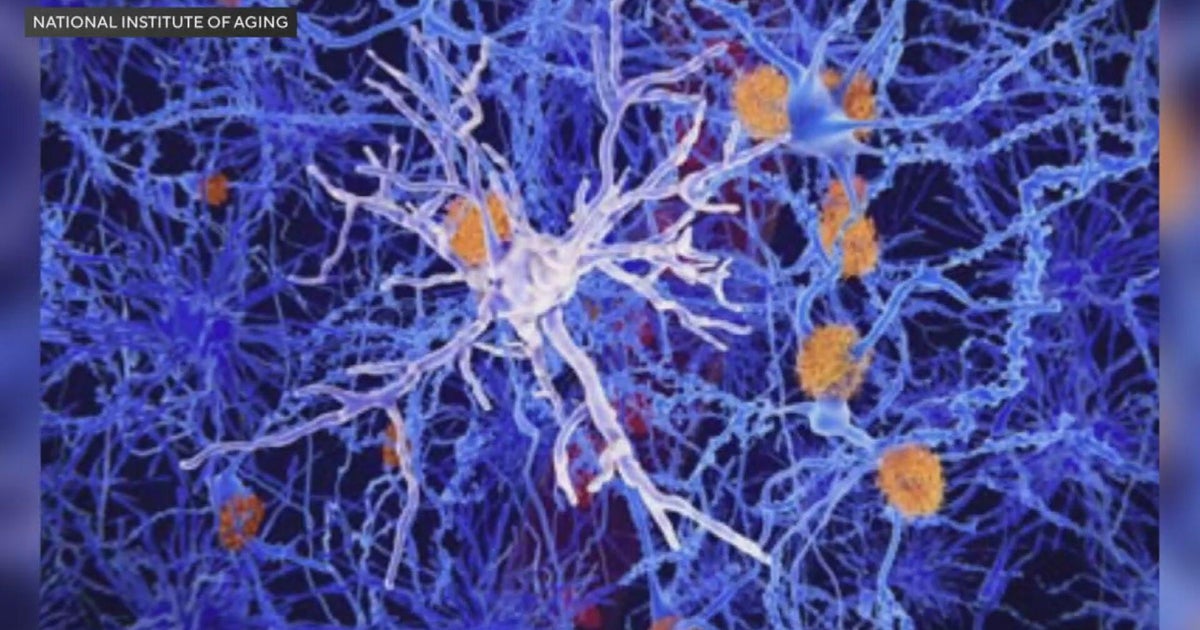
But leading neurologist Dr. David Perlmutter said the process actually starts well before advanced age, with tiny immune cells in the brain called microglia. Dr. Perlmutter, author of the new book, “Brain Defenders: Harness the Power of Your Immune Cells to Protect Your Brain for Life,” said microglia may play a critical role in determining whether a brain remains healthy or becomes vulnerable to inflammation and neurodegenerative disease
The driving force behind all of Perlmutter’s work is his father, Dr. Irwin Perlmutter, who died from complications from Alzheimer’s disease
“Well, what do you do with that? You do everything you can so that other people don’t have to go through this experience,” Perlmutter said. “We have 7.6 million Alzheimer’s patients diagnosed in America today, and that number is growing dramatically.”
Perlmutter added that the increase in Alzheimer’s cases is in “lockstep” with a continued decline in Americans’ metabolic health
“So it really locks us into this understanding that Alzheimer’s is powerfully related to our body’s metabolism,” he said
In “Brain Defenders,” Perlmutter wrote that when it comes to diseases like Alzheimer’s and Parkinson’s, people really need to look at their lifestyle choices and how those choices might impact their microglia
“We live in a time when we don’t have, for example, any meaningful treatment for Alzheimer’s, and yet we know that it is fundamentally a metabolic condition,” Perlmutter said. “In other words, risk for that disease is highly influenced by things like elevated blood sugar, elevated blood pressure, excessive body fat.”
All those conditions contribute to the activation of microglial cells, which Perlmutter said play a fundamental and pivotal role in keeping the brain healthy and functional, or alternatively, paving the way for a good brain to go bad
“The reality is that we already have the opportunity right now, by making lifestyle changes that are appropriate, to shift our metabolism, and therefore shift what these microglial brain cells are doing. Changing our diets, increasing exercise, reducing stress can have a dramatic impact on the brain in individuals who don’t have any cognitive issues, but are at risk, and even in individuals who have already been diagnosed with Alzheimer’s disease,” Perlmutter said, “in other words, lifestyle changes being far more effective than any pharmaceutical that is available currently.”
Perlmutter touted the benefits of vitamin D to brain health
“Without question, I think vitamin D is incredibly underrated and underrepresented. But I think as it relates to brain health, that is something critically important. We’ve just had a series of new studies come out indicating that there’s a correlation between lower levels of vitamin D, for example, and higher levels of a new blood marker that predicts Alzheimer’s, and also is used to predict severity,” said Perlmutter. “So, vitamin D — get your blood level checked, and supplement to bring that blood level up to where it needs to be.”
Dr. Perlmutter said the lifestyle choices we make in our 30s and 40s really set the stage for our brains’ destiny in our 60s, 70s, and 80s
Dr. Perlmutter can be found on Instagram, YouTube, X, and LinkedIn, and is also the host of The Empowering Neurologist Podcast
