

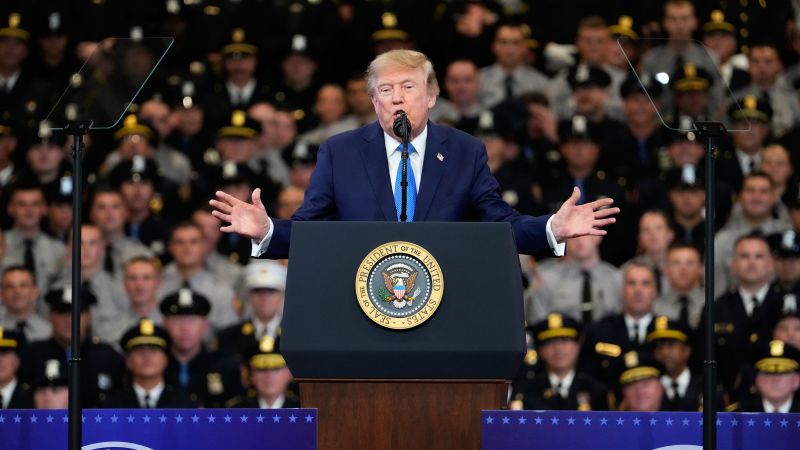
- Iran war:US President Donald Trump said Friday he would “never apologize” for taking military action against Iran. He argued higher gas prices have been worth it in pursuit of preventing Iran from having a nuclear weapon. “You’re at $4. It’s okay… I did the right thing,” he said.
- Strait of Hormuz:Traffic through the critical waterway remains at a fraction of pre-war levels, according to a UKMTO report. Trump said he plans to declare the strait a US territory after “we finish defeating Iran,” while Iran’s deputy foreign minister countered that it “cannot be seized with a tweet.”
- US carrier stints:The Navy is increasingly asking its carrier groups to exceed the recommended deployment duration of seven months, according to a CNN analysis, as the USS Abraham Lincoln is in the midst of a record-setting deployment.
5 Posts
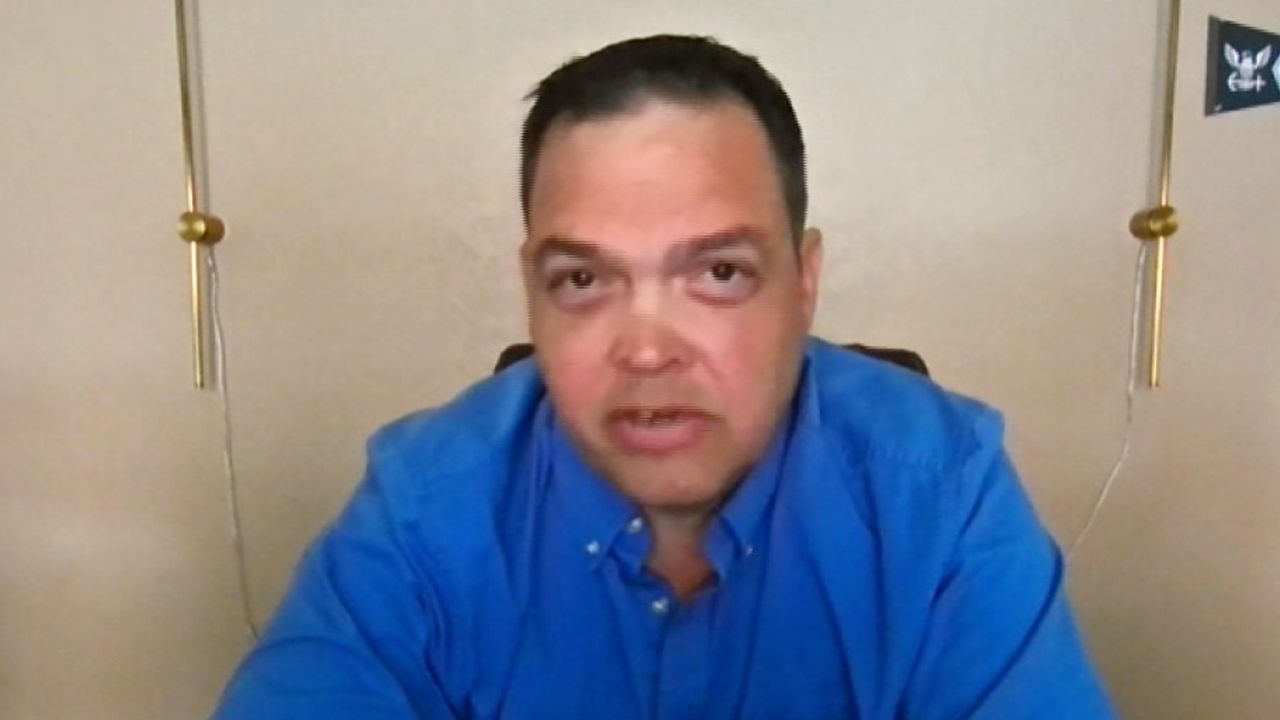
Father of sailor on USS Abraham Lincoln tells CNN’s Pamela Brown what he’s heard from his child aboard the carrier
10:10• Source:
CNN
Father of sailor on USS Abraham Lincoln tells CNN’s Pamela Brown what he’s heard from his child aboard the carrier
10:10
The USS Abraham Lincoln is in the midst of a record-setting deployment, kept out of port for more than six months as the carrier’s crew faces morale and mental health concerns. The ship may break a record for the longest trip away from its home port for a US carrier since the Vietnam War
That record was set just months ago by the USS Gerald R. Ford after that ship completed a 326-day deployment that included operations against Iran and Venezuela
It’s part of a pattern, with the US Navy increasingly asking its aircraft carrier groups to exceed the service’s recommended deployment duration of seven months, according to a CNN analysis of deployment announcements and the USNI News fleet tracker
Experts and former officials have warned that the trend could place more stress on the ships and lead to burnout among sailors or even push some to leave the Navy altogether
A crew member serving on the Lincoln described morale on the ship as very low and there were regular strains on essential amenities — toilets and water fountains around the ship frequently closed and hot water often unavailable
Other sailors aboard the Lincoln who spoke with CNN described conditions unlike their prior deployments, largely due to the combat that has kept the carrier from making stops at friendly ports. Ships can take on new supplies and allow its sailors to rest and relax during those port calls
The ship has experienced intermittent food shortages, low supplies of hygiene items, and problems with the water system, sailors and family members told CNN
Read the full story here
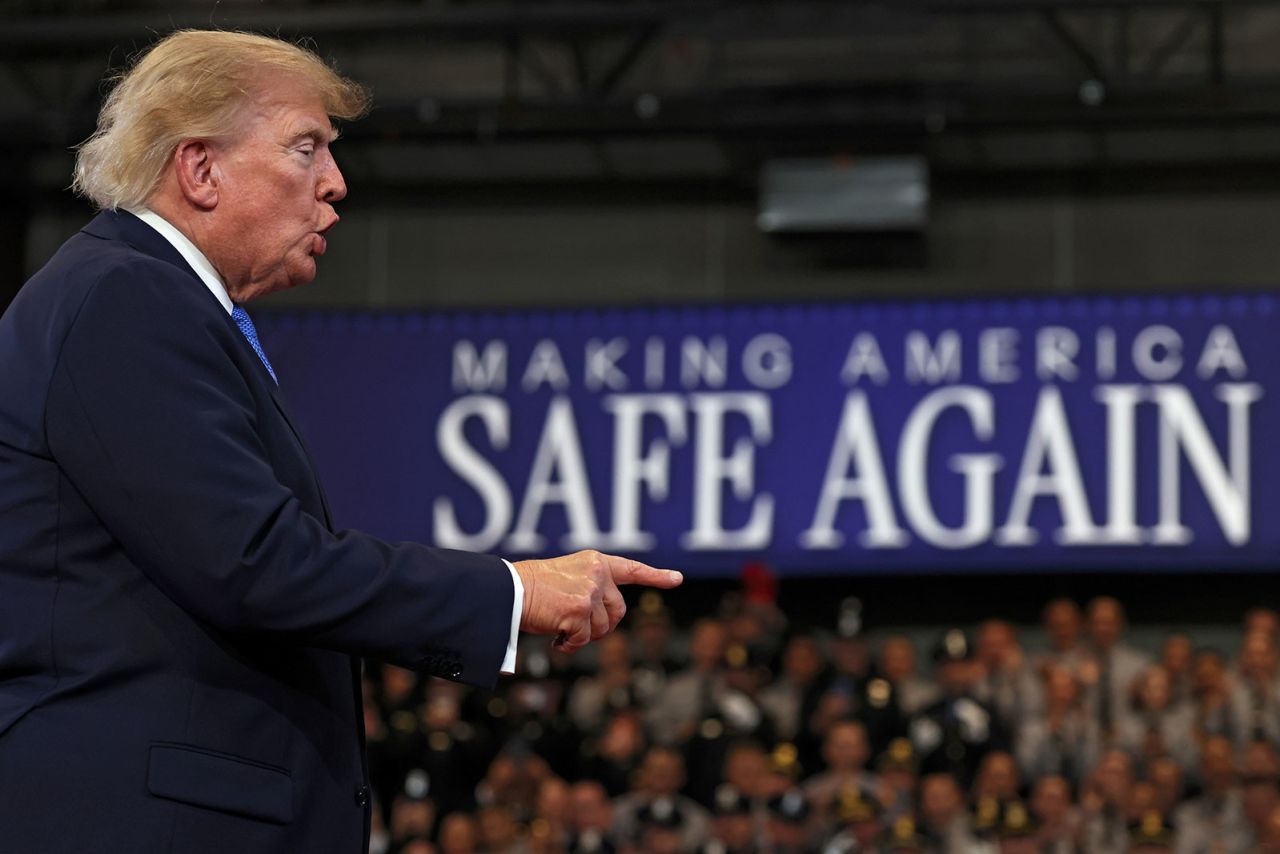
President Donald Trump departs after delivering remarks at the David S. Mack Center for Training and Intelligence in Garden City, New York, on Friday.
President Donald Trump said he would “never apologize” for the war with Iran and downplayed the financial toll it has taken on Americans. “I did the right thing,” he added
He argued higher gas prices have been worth it in his pursuit of preventing Iran from having a nuclear weapon
“For you to pay a tiny little bit more for your gasoline, just remember… we don’t want to have them have a nuclear weapon,” Trump said Friday
Catch up on the latest headlines:
- Strait of Hormuz:Trump said he plans to declare the strait a US territory after “we finish defeating Iran.” Tehran countered that, with its deputy foreign minister saying the strait “cannot be seized with a tweet, an aircraft carrier, an executive order, or a campaign speech.” Traffic in the waterway remains at less than a fifth of pre-war levels, and no genuinely safe shipping route exists in the region, according to a maritime intelligence group.
- Costly proposal:Declaring the strait a US territory would necessitate deploying troops in the area indefinitely — at the least — though Trump previously vowed to keep the war brief. Meanwhile, Iran’s Foreign Minister Abbas Araghchi said Tehran has not decided whether to resume negotiations with the US.
- Conflicting messages: As Trump claims he “did the right thing” in taking military action against Iran, others in his orbit have signaled a tone shift. White House press secretary Karoline Leavitt said keeping gas prices low and ensuring Iran never gets a hold of a nuclear weapon are of equal importance to the president. Vice President JD Vance recently said “goal number one” is “cheap” gas and oil prices for Americans, and “goal number two” is avoiding a nuclear-armed Iran.
- Crew welfare concerns: A second sailor with the USS Abraham Lincoln strike group went overboard last spring, according to a sailor currently serving on the Lincoln and two US officials. CNN previously reported on a sailor who officials said jumped into the water off of the Lincoln in early August during a mental health incident. Trump dismissed claims that families of service members on board had concerns about the conditions on the carrier and said the ship’s lengthy deployment was “not nearly long enough.”
CNN’s Laura Sharman, Aida Karimi, Mitchell McCluskey, Kit Maher, Julia Benbrook, Pamela Brown, Shoshana Dubnow, Haley Britzky, Issy Ronald, Eleni Giokos, Mustafa Qadri and Mohammed Tawfeeq contributed reporting
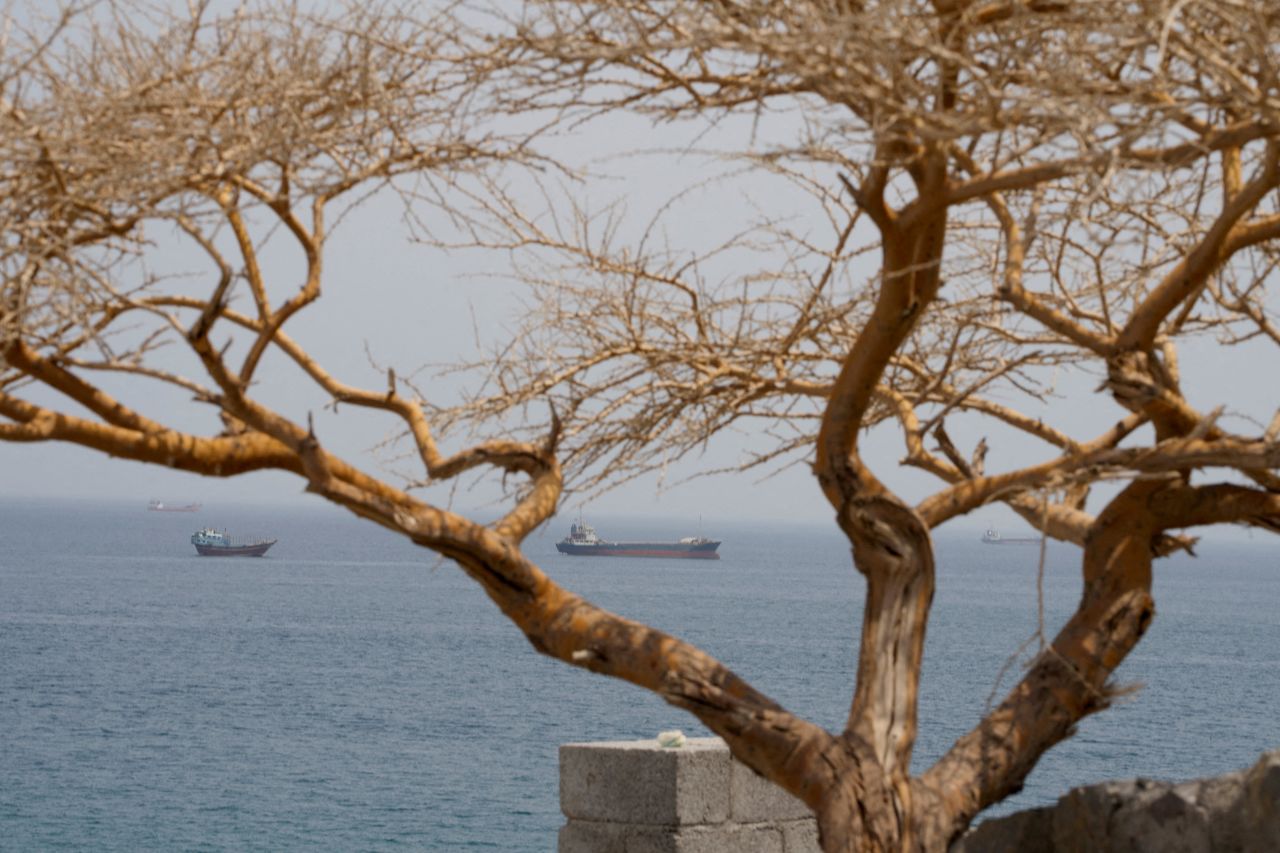
Vessels near the Strait of Hormuz seen from Musandam, Oman, August 10.
Shipping traffic in the Strait of Hormuz was 17% of the pre-conflict average in the past seven days, according to the United Kingdom Maritime Trade Operations (UKMTO) centre
Control of the critical waterway has become the focus of the war recently, with US President Donald Trump saying Thursday that he plans to declare ita US territory after “we finish defeating Iran.” That was met with a swift retort from Tehran, with the deputy foreign minister saying the Strait of Hormuz “cannot be seized with a tweet” or an aircraft carrier
Only 151 ships made it in or out of the narrow waterway in the past seven days, according to the UKMTO’s latest report Friday
There have been 56 reports of damage to vessels in the Strait of Hormuz and nearby waters since the US-Iran war began on February 28, the report said. But the tally does not appear to include the latest two attacks reported on Thursday. In a separate update, the UKMTO had reported that a vessel sustained “minor damage” after a drone attack on Thursday. And the Abu Dhabi National Oil Company (ADNOC) said two of its vessels were attacked while transiting the Strait of Hormuz
The Southern Omani route, an alternative temporary corridor in the strait, remains the highest-risk, accounting for 16 of 18 projectile strike incidents reported by the UKMTO since July 6
The US naval blockade is still in effect, barring ships from going to or from any Iranian port either inside or outside the strait. However, one Iranian-flagged ship was reported inbound and another outbound through the Strait of Hormuz in the past seven days
The most common flagged ships to travel through the contested waterway were Panama and Liberia, each with 12 ships making it in or out. No US-flagged vessels were reported
The most common type of vessel to travel through the strait was the product tanker, which typically transports refined petroleum products
The latest figures mark a slight improvement from the previous week, when traffic was just 4% of pre-war levels, according to the UKMTO
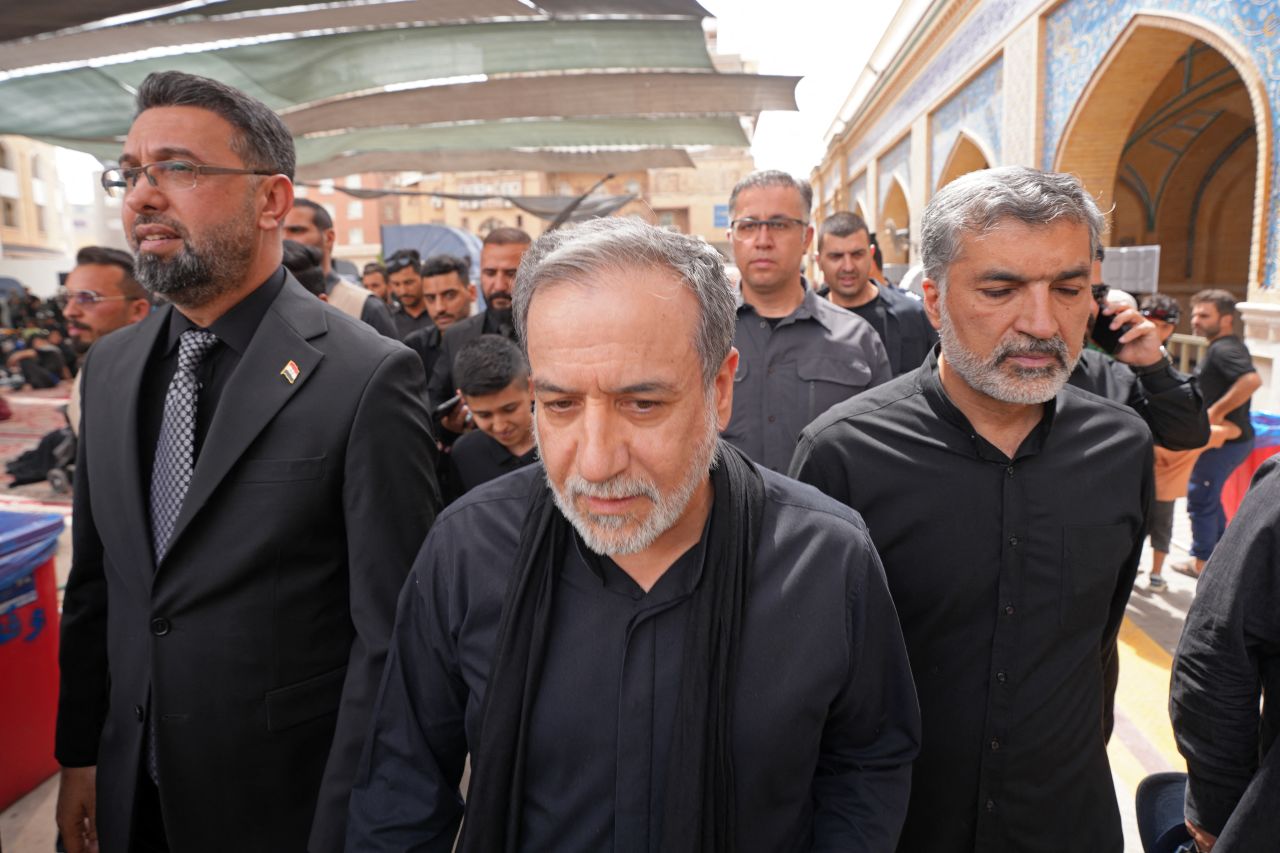
Iran’s Foreign Minister Abbas Araghchi visits the Imam Ali shrine in Iraq’s holy city of Najaf on August 3.
Iran has not decided whether to resume negotiations with the US, Foreign Minister Abbas Araghchi said in the early hours of Saturday
Earlier this week President Donald Trump said the US was “low-keying” talks with Iran. “We are only semi-negotiating with them,” he said in an interview with Axios
Araghchi said that mediators Qatar and Pakistan have exchanged messages, but that those interactions do not constitute negotiations
Iranian Deputy Foreign Minister Kazem Gharibabadi also responded to a claim by Trump that he would declare the Strait of Hormuz a US territory
“The strait will be closed or opened solely under Iran’s authority, and as long as you refuse to accept the reality of defeat and abandon your delusions, Iran will continue enforcing the blockade,” he added
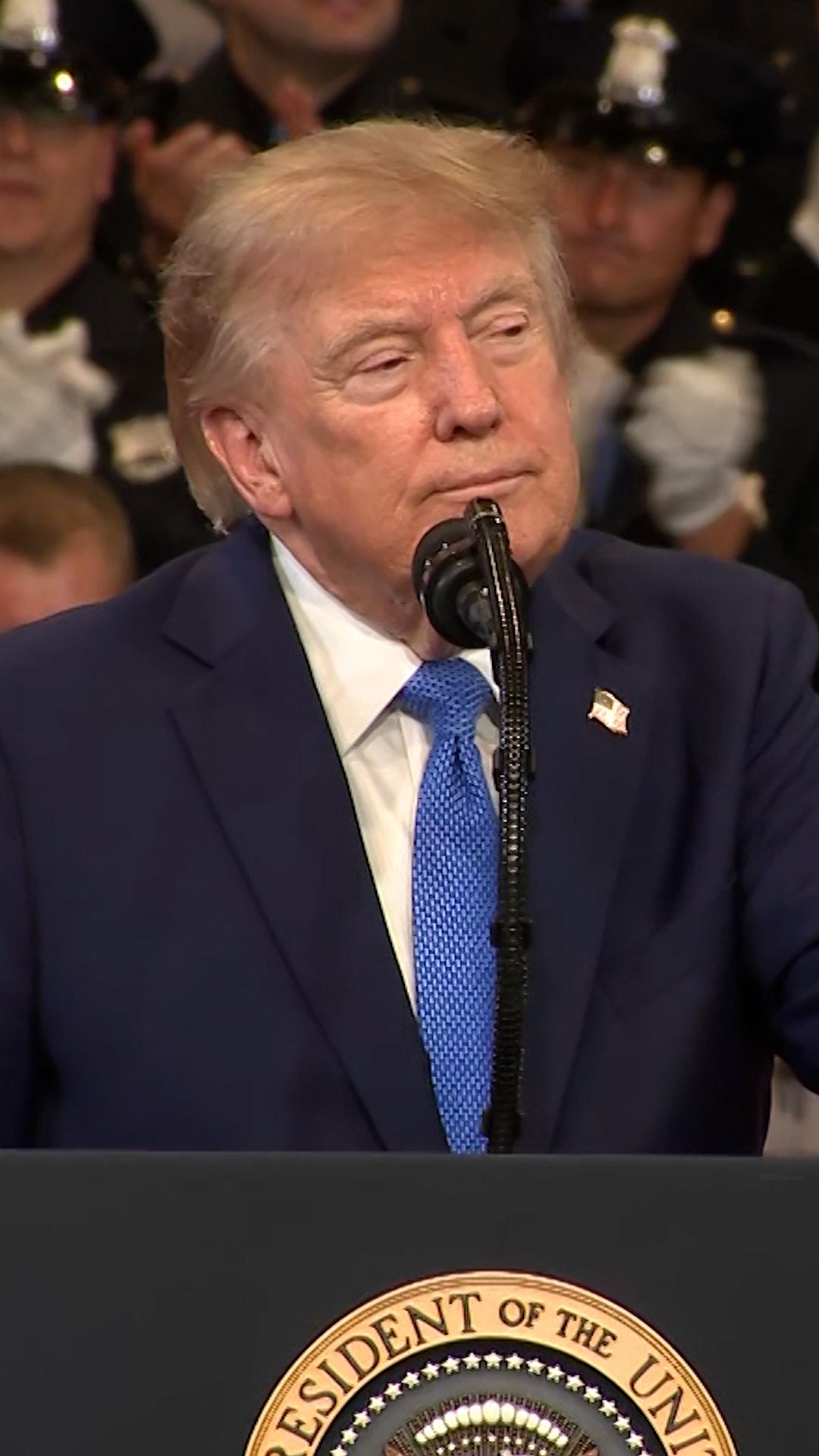
Trump says he plans to declare the Strait of Hormuz a US territory
President Donald Trump said Friday that he plans to declare the Strait of Hormuz a US territory after “we finish defeating Iran.”
0:55• Source:
CNN
Trump says he plans to declare the Strait of Hormuz a US territory
0:55
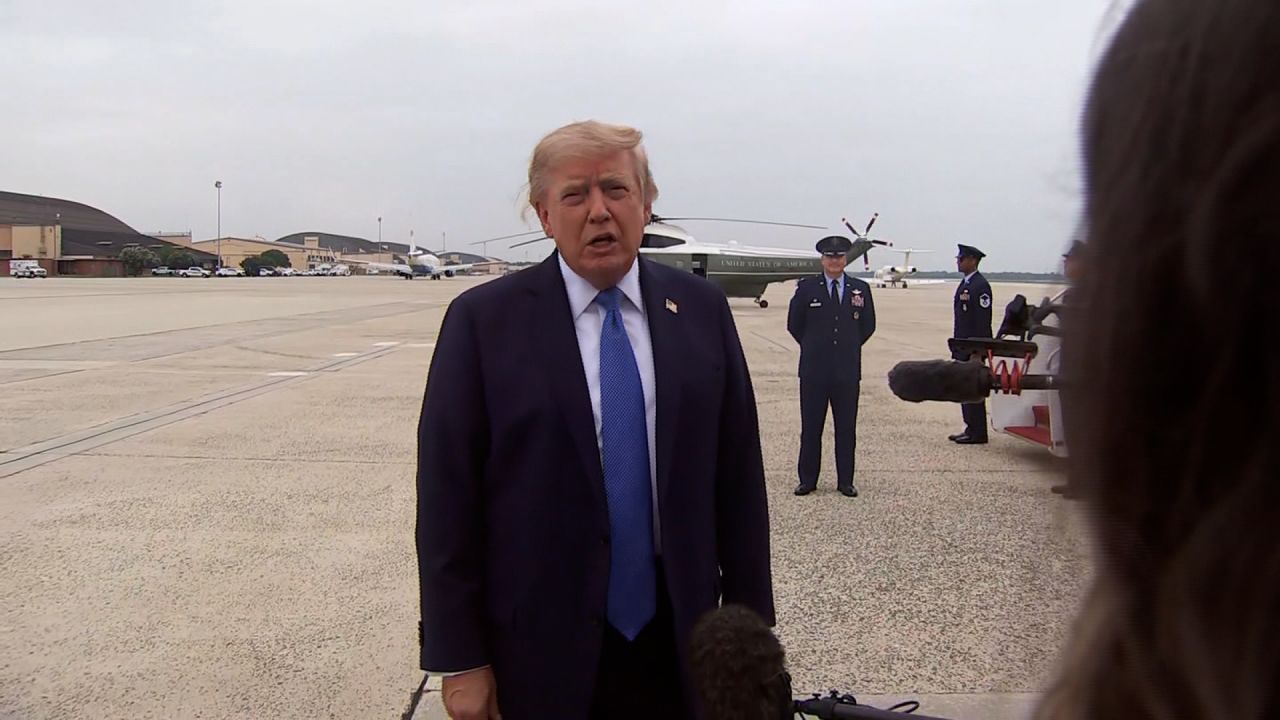
Trump dismisses accounts of deteriorating conditions on US carrier
3:39• Source:
CNN
Trump dismisses accounts of deteriorating conditions on US carrier
3:39
Nearly half a year into the US-Iran war, global oil stockpiles are rapidly diminishing as traffic through the Strait of Hormuz remains effectively stalled and talks between two powers at the center of the hostilities are not appearing to make progress
But, US President Donald Trump said said he would “never apologize” for taking military action against Iran
Here’s what he has said recently about the conflict and issues impacting Americans:
- On the Strait of Hormuz: Trump said at a rally Friday he plans to declare the waterway a US territory after “we finish defeating Iran.” He said that would happen “pretty soon.”
- On who controls the strait:Trump has repeatedly insisted that the strait is under US control.“They don’t have control. We have total control. We own it, and at some point, maybe they’ll do something, and then they get blown away,” he told reporters on Wednesday.
- On gas prices:Higher gas prices have been worth it in his pursuit of preventing Iran from having a nuclear weapon, Trump argued at a Friday rally. He minimized the financial toll of the war on Americans, saying his decision to strike Iran was the “right” one. “You’re at $4. It’s okay. I mean, it’s — I’m not, I’m not, I’ll never apologize. I did the right thing,” he said.
- On USS Abraham Lincoln:Trump dismissed claims that families of service members on the aircraft carrier have concerns about conditions on board, which has been deployed for nearly nine months supporting operations in the Middle East. Instead, he claimed on Friday the ship’s deployment was in fact “not nearly long enough.”
