

Potatoes ‘boil’ in the ground as record heatwave sweeps across swathes of Asia
South Korean farmers are suffering in record heat, as Hong Kong reports its highest ever temperature and Japan swelters through newly designated ‘cruelly hot’ days
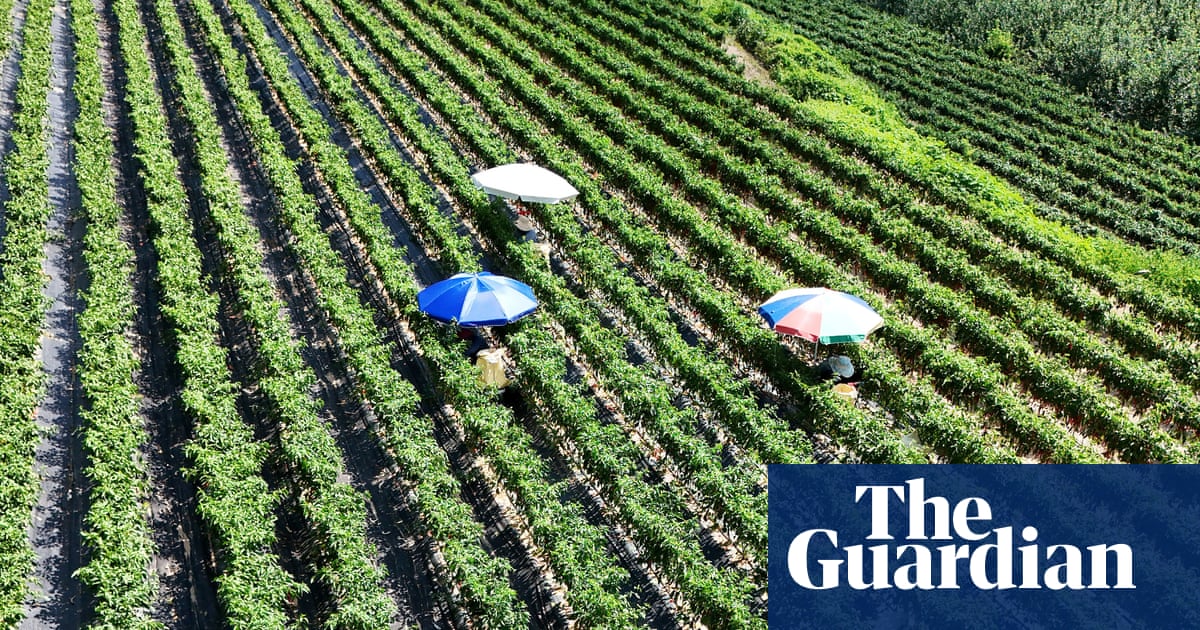
In a potato field in Yanggu county, 80 miles (130km) north-east of Seoul, Lee Sang-hyuk dug into the soil and found nothing worth saving
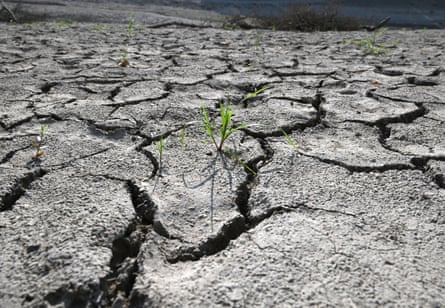
A week earlier the crop, located in Gangwon province, had looked fine. Now the potatoes came up soft and collapsing, “like boiled potatoes”, spoiled by heat that had turned the ground into something closer to an oven
“It’s not just one or two fields like this. How can I even put it into words? It’s so upsetting,” he told local broadcaster SBS
His ruined harvest is one thread in a punishing summer across east Asia, as record heat swept through South Korea, Japan and Hong Kong in recent weeks
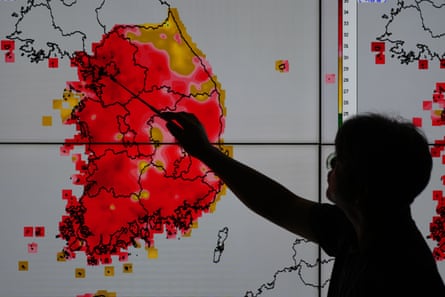
On 2 August, the south-eastern city of Yangsan recorded a temperature of 42.5C, the highest registered in South Korea since modern weather observations began in 1904
The heat has since been blamed for at least 31 deaths nationwide, according to the country’s disease control agency, while more than 900,000 livestock and 1.4 million farmed fish have died
Authorities issued a heat warning, urging people to “immediately stop all outdoor activities”
South Korea’s president, Lee Jae Myung, told his cabinet the extreme weather was “unlike anything we have experienced before”
“We need to make efforts for a fundamental overhaul of the national crisis system,” he said, “since this extreme weather is becoming the new normal.”
Typhoon Dim-sum: how Hong Kong put a tasty snack on the storm map
Read more
In neighbouring Japan, temperatures reached 40C or higher at multiple locations and the country recorded its first ever “kokushobi”, or “cruelly hot day”, a new category introduced this year by the country’s weather agency for temperatures above 40C. In Tokyo, three lions died of suspected heatstroke at a city zoo
Scientists say the extremes are part of a wider pattern. Researchers working through Japan’s Weather Attribution Centre found that the country’s intense July heat would have been “virtually impossible” without global warming
Without the warming caused by human activity, they calculated, a heatwave of this scale would occur on average once ever 10,000 years
The heat struck even as an El Niño event was under way, a natural climate pattern that has in the past been associated with a lower likelihood of extreme summer heat in Japan
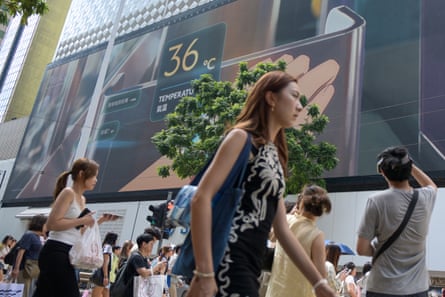
In Hong Kong, its observatory posted an official temperature of 36.9C, the highest recorded there since records began in 1884, as the outer bands of Typhoon Dolphin swept hot air over the city
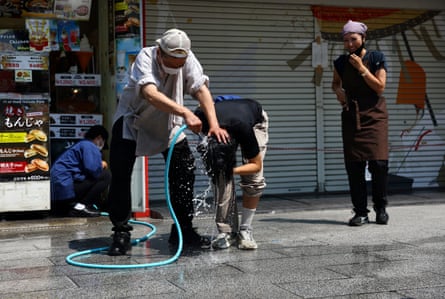
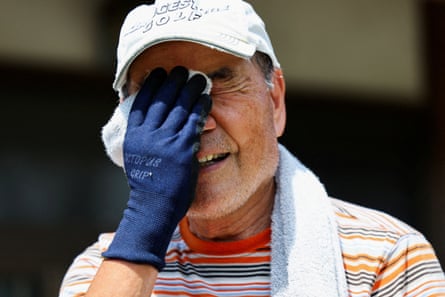
The record heat also exposed the failings of the city’s heat stress warning system for outdoor workers, which remained at its lowest tier even as temperatures reached a record high
“The threshold for the red warning is clearly set too high”, Lam Chiu Ying, a former head of the Hong Kong Observatory, wrote on Facebook. “If even a record-breaking temperature can’t trigger it, isn’t it just a display piece used to decorate a shop window?”
Hong Kong’s Labour Department has since said it is reviewing the warning system with the observatory
In China’s western Xinjiang region, a weather station recorded a 50C reading in July and heatwaves gripped the country’s north-east, while North Korea reported a run of tropical nights in Pyongyang, with temperatures failing to fall below 25C
June-Yi Lee, a climate scientist at Pusan National University and a coordinating lead author of the UN’s most recent climate assessment, said the regional heatwave may have been shaped by a mix of atmospheric circulation patterns and a warming climate
A strengthening ridge of high pressure over the Tibetan Plateau and western Pacific, layered on top of this year’s El Niño, may have helped create conditions for the heat, she said
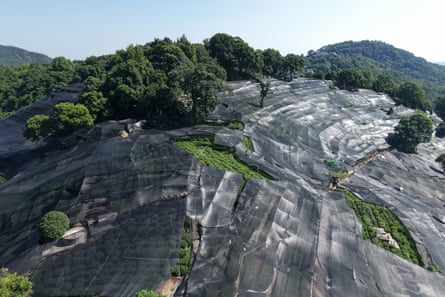
The World Meteorological Organization said in its latest State of the Climate in Asia report that the pace of Asia’s warming between 1991 and 2025 is roughly twice that of the preceding three decades
About 160 miles (257km) south of Seoul, in Gwangju, watermelon farmer Hong Kyung-hee watched fruit that would normally sell at a premium turn to mush
“The inside was good, the sweetness was good, everything was fine”, he told KBS from his farm. “But after three days it changed overnight like this. In my 50 years of farming, this is the first time.”
Strawberry farmer Yoon Woo-ha in Damyang county, South Jeolla province, lost seedlings that she had cultivated for three months and won’t be covered by insurance
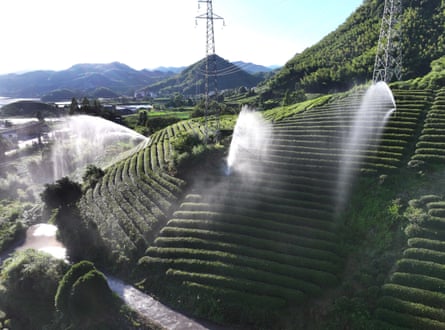
South Korea’s crop insurance scheme covers only designated crops, growing methods and regions, leaving farmers exposed when losses fall outside those boundaries
“When the insurance can’t cover this,” said Lee Jun-kyung, head of the Gwangju chapter of the Korean Peasants League, “it goes straight into farm household debt.”
Prof Lee warned that heatwaves were expected to become more frequent and intense as the climate heated up, while compound extremes, such as consecutive heatwaves and heavy rainfall, were becoming more common
“There is an urgent need for rapid, large-scale reductions in greenhouse gas emissions to limit further global warming together with well-planned adaptation measures to address the climate change that is already occurring,” she said
Explore more on these topicsShare
Reuse this content
