

Reading Time:< 1minute
County health officials have confirmed the region’s first locally acquired case of Chagas disease, identified during routine blood donation screening in a donor without symptoms.
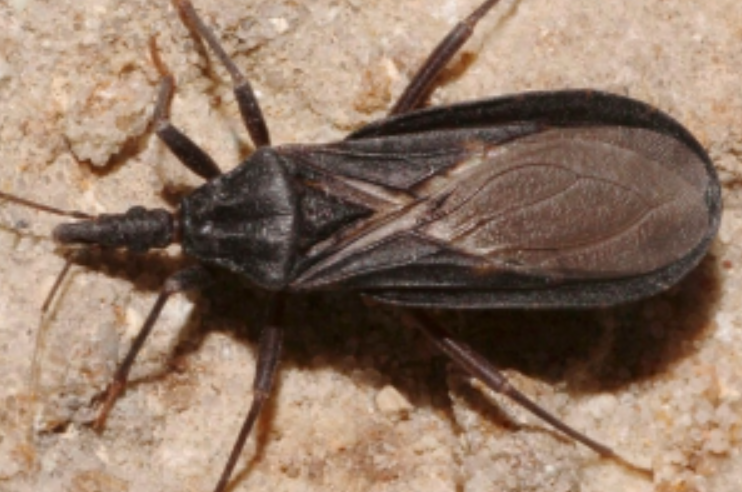
Chagas is much more common in rural areas of Latin America, where the insect that spreads the infection, the kissing bug, hides in homes made of mud and straw. The bug species found in San Diego County typically lives in rodent nests, making camping and outdoor exposure potential risk factors.
“Identifying a locally acquired Chagas case reminds us that this disease is not limited to Latin America,” said Dr. Sayone Thihalilopavan, County Public Health Officer. “Our priority is making sure residents, and healthcare providers have the information they need to stay protected.”
Early Chagas infection most often has no or only mild symptoms, consisting of a flulike illness with fever, headache, cough, abdominal pain or swelling at the bite site. People who have lived in endemic countries may have been infected years ago. If untreated, the disease can also be spread to infants during pregnancy.
Approximately, 30 to 40 percent of infected people will go on to develop serious heart and gastrointestinal complications years to decades later.
The County made Chagas disease locally reportable in 2024 to raise awareness of this important disease. Since then, the County has already received 22 reports, four of which were confirmed. This fourth confirmed case marks the first to be locally acquired.
County Public Health continues to work closely with healthcare providers to investigate cases, monitor transmission and provide clinical re
Health officials recommend travelers to areas where Chagas is endemic wear protective clothing and insect repellant, use insecticide-treated bed nets, sleep indoors, and avoid eating unpeeled or uncooked fruits and vegetables. People who have lived in Latin American should also consider being screened, especially pregnant women.
Anyone experiencing symptoms that may be related to Chagas disease should contact a healthcare provider. More information is available the County’s Chagas and kissing bugs webpages
