

• Strait of Hormuz:US officials have warned the continued shutdown of the critical waterway could lead to higher oil and gas prices,despite President Donald Trump’s insistence the US still has control over the strait, and Energy Secretary Chris Wright’s claim that oil exports from the Middle East rose above pre-war levels on Sunday
• Red Sea deaths: Meanwhile,Pakistan said three of its nationals were killed in an attack by the Iran-backed Houthi militia on a vessel in the Red Sea amid the expanding Middle East conflict. The deaths would be the first linked to attacks on shipping by the Houthis since the Iran-aligned group declared a blockade of the Bab al-Mandeb Strait
• Trump’s plane switch:A specific threat to Air Force One by a shoulder-fired missile emerged on the final day of last month’s NATO summit in Turkey, ative plan to sneak Trump out of the country on an alternate jet
12 Posts
Air Force One sits on the tarmac with an airport catering container adjacent to the body of the aircraft in Ankara, Turkey, on July 8.
A specific threat to Air Force One by a shoulder-fired missile emerged on the final day of last month’s NATO summit in Turkey, according to a person familiar with the matter, prompting the scramble among US officials to devise a furtive plan to sneak President Donald Trump out of the country on an alternate jet
The threat was specific enough that officials feared Trump’s life would be at enormous risk if he flew out of the country on either the legacy Air Force One plane or the Qatar-donated jet that he used to fly to the summit
The person declined to say where information about the threat originated, but said it was believed to be serious in part because of how specifically the Iranians seemed to know details of Trump’s arrangements in Turkey
Officials, including from the military and Secret Service, put together the plan to move Trump to another plane to fly out of the country within hours
Trump, over the course of his final day at the conference, appeared preoccupied with Iranian threats on his life, raising the issue repeatedly with reporters
CNN reported in the days following the summit that Israel had shared intelligence with the United States that Iran had recently devised a new plan to assassinate Trump
But some officials at the time cast skepticism on the Israeli intelligence, suggesting the report was viewed — in part — as a piece of a broader Israeli effort to influence Trump’s decision making on Iran
Pakistan’s foreign minister has said three of its nationals were killed in an attack by the Iran-backed Houthi militia on a commercial vessel in the Red Sea
This marks the first fatalities in the Red Sea since the Yemen-based militant group declared a blockade of the Bab al-Mandeb Strait on July 20
Here’s a closer look at the Houthis and how they got to where they are:
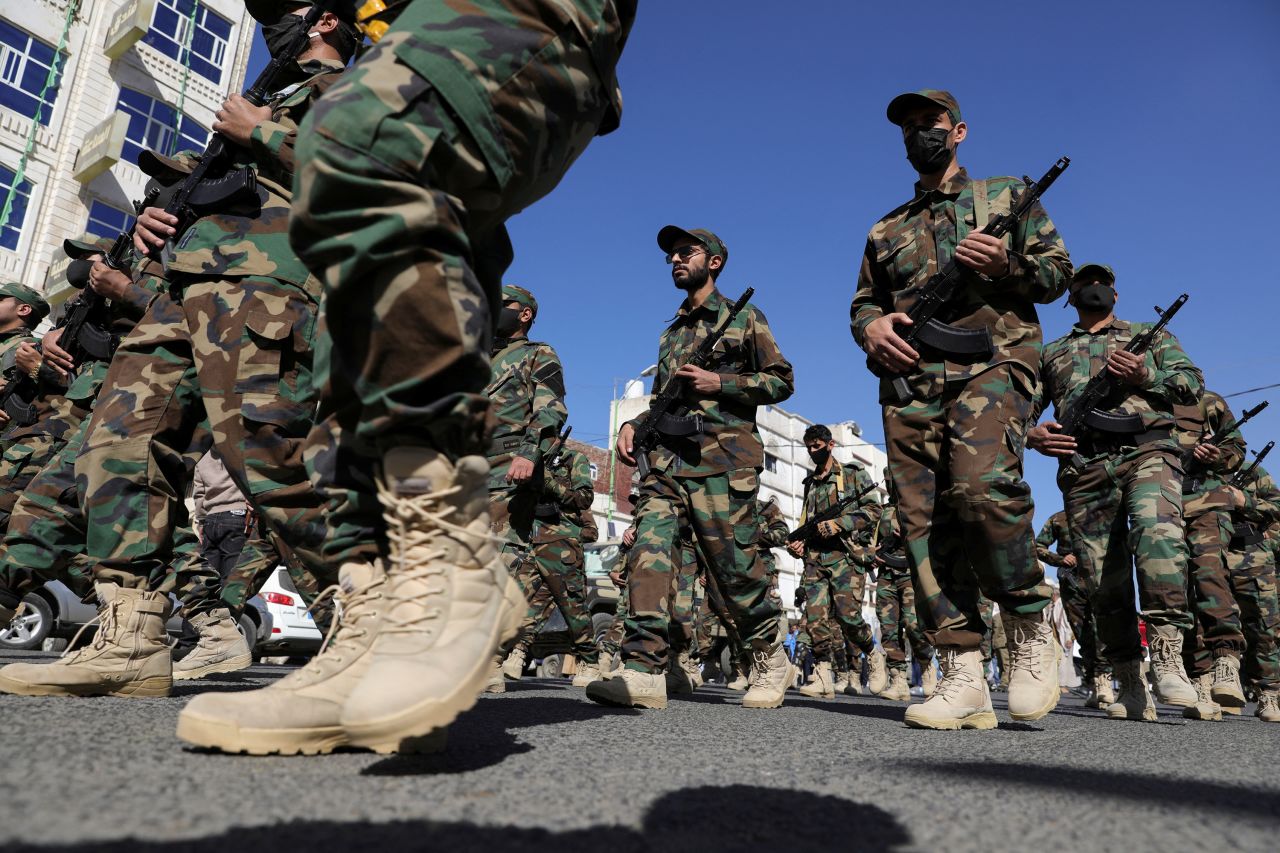
Houthi fighters take part in a parade as part of a mobilization campaign, in Sanaa, Yemen, on December 18, 2024.
The Houthi movement, also known as Ansar Allah (Supporters of God), is one side of the Yemeni civil war. It emerged in the 1990s, when its leader, Hussein al-Houthi, launched “Believing Youth,” a religious revival movement for a centuries-old subsect of Shia Islam called Zaidism
The Zaidis ruled Yemen for centuries but were marginalized under the Sunni regime that came to power after the 1962 civil war. Al-Houthi’s movement was founded to represent Zaidis and resist radical Sunnism, particularly Wahhabi ideas from Saudi Arabia. His closest followers became known as Houthis
Yemen’s civil war began in 2014, when Houthi forces stormed the capital Sanaa and toppled the internationally recognized and Saudi-backed government. The conflict spiraled into a wider war in 2015 when a Saudi-led coalition intervened in an attempt to beat back the Houthis
Nowadays, Sanaa is still under Houthi control, alongside much of the west of the country
The Houthis are backed by Iran, which began increasing its aid to the group in 2014 as the civil war escalated and as its rivalry with Saudi Arabia intensified. Iran has provided the group with weapons and technology for, among other things, sea mines, ballistic and cruise missiles, and unmanned aerial vehicles, according to a 2021 report from the Center for Strategic and International Studies
The Houthis form part of Iran’s so-called “Axis of Resistance” – an anti-Israel and anti-Western alliance of regional militias backed by the Islamic Republic
CNN’s Sophia Saifi and Rhea Mogul contributed to this reporting
A reopening of the Strait of Hormuz is becoming more pressing, as the world burns through its oil stockpiles at a rapid clip, the International Energy Agency has warned
Oil inventories plunged by 2.2 million barrels a day last month, with global stocks falling below 7.9 billion barrels for the first time since April 2025, the IEA said in its latest oil market report Wednesday. The global oil balance is now expected to show a deficit of 1.8 million barrels a day in the third quarter, more than double the estimate in July
“Although the market is projected to return to surplus towards the end of this year, risks remain substantial and the urgency of reopening the Strait has increased, as previously available inventory buffers are rapidly depleting,” the Paris-based organization said
Global oil demand is now forecast to decline by 1.6 million barrels a day this year, about 47% more than the IEA projected in July, as supply constraints and higher fuel prices weigh on consumption
Meanwhile, global oil supply is forecast to fall by 4.3 million barrels a day, to 102 million barrels, a sharper fall than projected in July, due to losses from the Middle East and Russia
President Donald Trump has insisted the US still has control over the Strait of Hormuz, threatening that Iran would “get blown away” if it tried to “do something.”
In recent weeks, the waterway has once again become center-stage in Washington’s dealings with Tehran
The last major diplomatic breakthrough in the war came in June, when the two sides signed a memorandum of understanding about pausing fighting while they negotiated a lasting end to the conflict. This broke down following clashes centered on the Strait of Hormuz, resulting in the resumption of the US blockade and a renewed, expanded regional conflict
Here’s a look back at how fighting resumed last month:
- July 1:US and Iranian negotiators travel to Doha, Qatar, for indirect negotiations. The delegations make “positive progress,” Qatari Foreign Ministry spokesperson Majed al-Ansari says.
- July 7: Iran fires on three commercial vessels in Oman’s territorial waters near the Strait of Hormuz, according to a US official. US Central Command says it launched strikes against Iran as “punishment.”
- July 8: Iran warns it will deliver a “crushing response” to the US strikes, and the country’s Islamic Revolutionary Guard Corps (IRGC) says it has launched attacks at 85 US military targets across Bahrain and Kuwait. Trump castigates Iran as “evil, sick people” at the NATO summit in Turkey, saying the memorandum of understanding “is over.” Hours later, the US launches more strikes against Iran.
- July 9: Tehran says the US military has struck a railway bridge in northern Iran. CENTCOM says the US has hit around 90 military targets in another round of strikes. A US official tells CNN that both countries are continuing to engage in technical negotiations on nuclear issues.
- July 10:Trump says the US has agreed to continue talks with Iran, but also that Washington has informed Tehran the ceasefire is no longer in effect. Iran’s chief negotiator Mohammad Bagher Ghalibaf says Tehran is prepared for “all-out defense” if the US breaks the agreement. The Trump administration imposes fresh sanctions on Tehran.
- July 11:Iran’s foreign minister accuses the US of violating a clause on Tehran’s nuclear program in their agreement.
- July 12: The IRGC announces it has closed the Strait of Hormuz after firing a warning shot at a vessel attempting to use an unauthorized route to cross the waterway. The US military launches more strikeson Iran, and insists that the strait is still open.
- July 13: US attacks across Iran continue into the afternoon, killing at least two people, Iranian media reports. Trump says he will reinstate a blockade of Iranian ships in the Strait of Hormuz, and the US carries out more strikes on Iran overnight.
CNN’s Mohammed Tawfeeq, Hira Humayan, Pamela Brown, Lex Harvey, Zachery Cohen, Jessie Yeung, Kevin Liptak, David Winkie, Isaac Yee, Clay Voytek, Betsy Klein, Aida Karimi, Lauren Kent, Jennifer Hansler, Rhea Mogul, Dalia Abdelwahab, Aleena Fayaz, Izzy Lippolis, Aileen Graef and Piper Hudspeth Blackburn contributed to this post
The Pakistani Foreign Ministry called the short-lived memorandum of understanding between Iran and the United States “the template of peace,” suggesting the agreement may remain relevant despite both sides’ refusal to de-escalate
The 14-point MoU, mediated by Pakistan and Qatar, was intended to pave the way for peace talks between Washington and Tehran. The agreement was signed in June and unraveled in a matter of days
“It might not have been implemented, but whenever the parties will exhaust the logic of escalation, the template of peace is in the MoU,” said Tahir Andrabi, the ministry spokesperson
The comments come as neither Iran nor the US has shown any sign of shifting its position on the Strait of Hormuz. Tehran declared the strait closed again after accusing Washington of violating the MoU by opening a new shipping route through the waterway
The US responded by reinstating its blockade of Iranian ports in an effort to increase economic pressure on Tehran
Newly appointed national security chief of Iran, Mohsen Rezaie, said Tuesday that the strait would not be fully reopened unless Washington accepts Iran’s conditions, including unfreezing Iranian assets and an end to Israel’s wars in Lebanon and Gaza
Those demands go beyond the MoU, which did not include Gaza
CNN’s Aida Karimi contributed to this post
Ships are anchored in the Strait of Hormuz, off the coast of Bandar Abbas, Iran, on Monday.
Oil prices are ticking up, as Iran hardens its stance over control of the Strait of Hormuz and other demands to end the war, dashing hopes for a quick deal to reopen the waterway
Brent crude, the global oil benchmark, rose around 1% before paring gains to trade 0.2% higher at $89.12 a barrel. West Texas Intermediate, the US benchmark, climbed by a similar margin to $83.43 a barrel. Brent is now on track for a sixth consecutive daily increase
Oil prices have been volatile amid mixed messages about a potential US-Iran deal. Prices moved lower yesterday after Pakistan’s defence minister said the countries were close to an arrangement, only to rebound following more hawkish comments from Iran over the strait’s closure
The International Energy Agency said Wednesday that benchmark crude prices traded in an “unusually wide range” of almost $40 a barrel in July, “driven by sudden diplomatic pivots on the conflict.”
Meanwhile, shipping traffic through Hormuz has slowed, with just 16 vessels transiting the strait over the course of Monday and Tuesday, Kpler data showed. That’s down from about 130-140 daily transits before the war
Investors are also pricing in a more protracted disruption, with longer-dated Brent futures moving higher, including on deliveries as much as a year from now
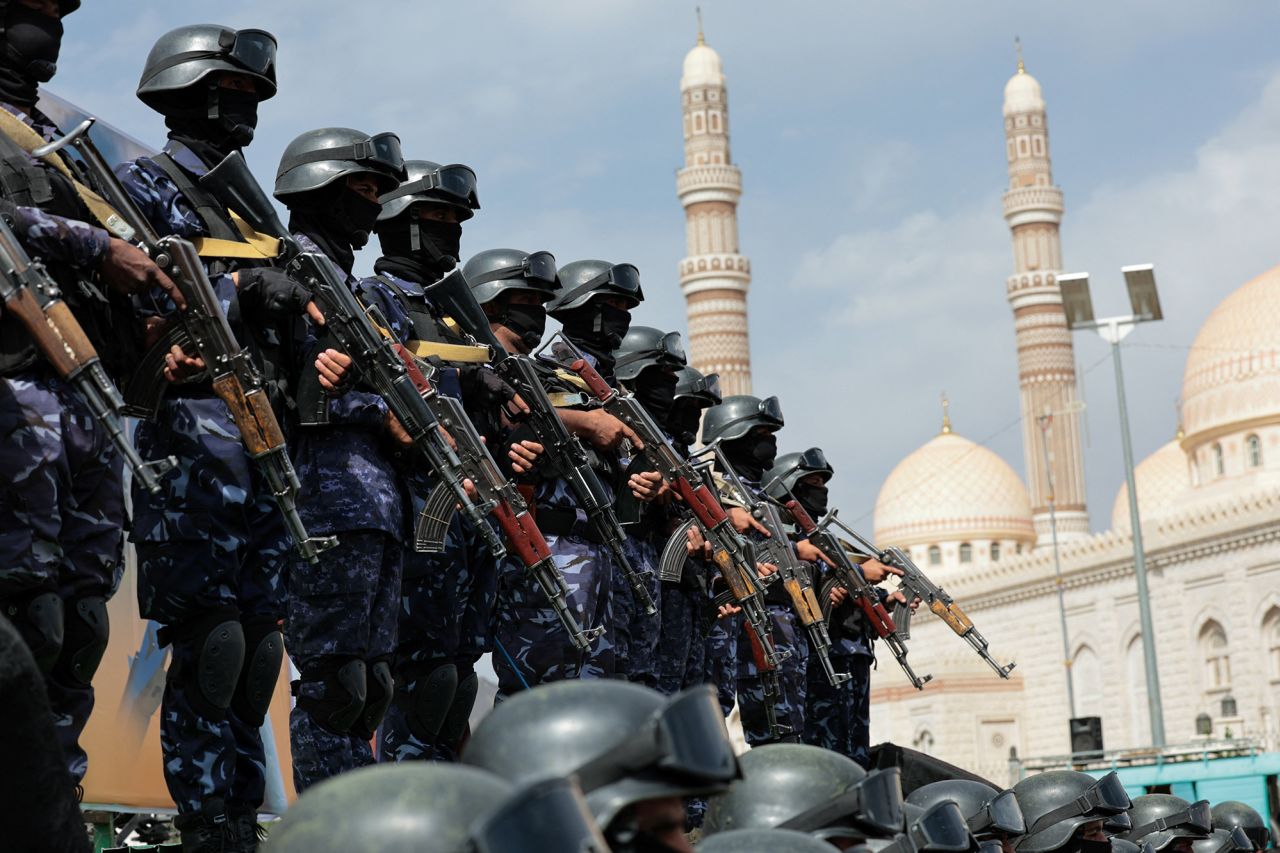
Members of Houthi security forces stand guard at a rally in Sanaa, Yemen, on July 17.
One of the strongest Iran-backed militias in the region, the Houthis entered the war in March, a month after Israel and the US attacked Iran, by firing missiles towards Israel. Today, the group is trading fire with Yemen’s internationally recognized government, and striking Saudi Arabia after a four-year de facto ceasefire with the kingdom
On Wednesday, Pakistan’s foreign minister said three of its nationals were killed and one more wounded in an attack by the Houthis on a Saudi-owned commercial vessel in the Red Sea
The escalation comes while there is shaky maritime security in both the Strait of Hormuz and the Red Sea, and as Iran and the US give conflicting accounts of whether direct talks to reopen the waterway were taking place
The latest attacks also raise the threat of an outbreak of another full-scale war in Yemen. The last war, which began in 2014, left the country facing the world’s worst humanitarian crisis
Read more about the Houthishere
Video geolocated by CNN shows oil washing up on a beach around Iran’s Qeshm Island, near the Strait of Hormuz
In the video, pools of thick, black oil can be seen stretching along the beach, on Qeshm’s southeast coast
Video geolocated by CNN shows oil washing up on a beach around Iran’s Qeshm Island, near the Strait of Hormuz.
“The pollution has affected a distance of over 1 kilometer of the beach,” said Shahmorad Jafari, head of the Qeshm Island Department of Environment, state broadcaster IRIB reported
The oil slicks have spread to nearby mangrove forests, which are important habitats for marine wildlife and birds, state-run Islamic Republic News Agency (IRNA) said today
Officials are investigating the
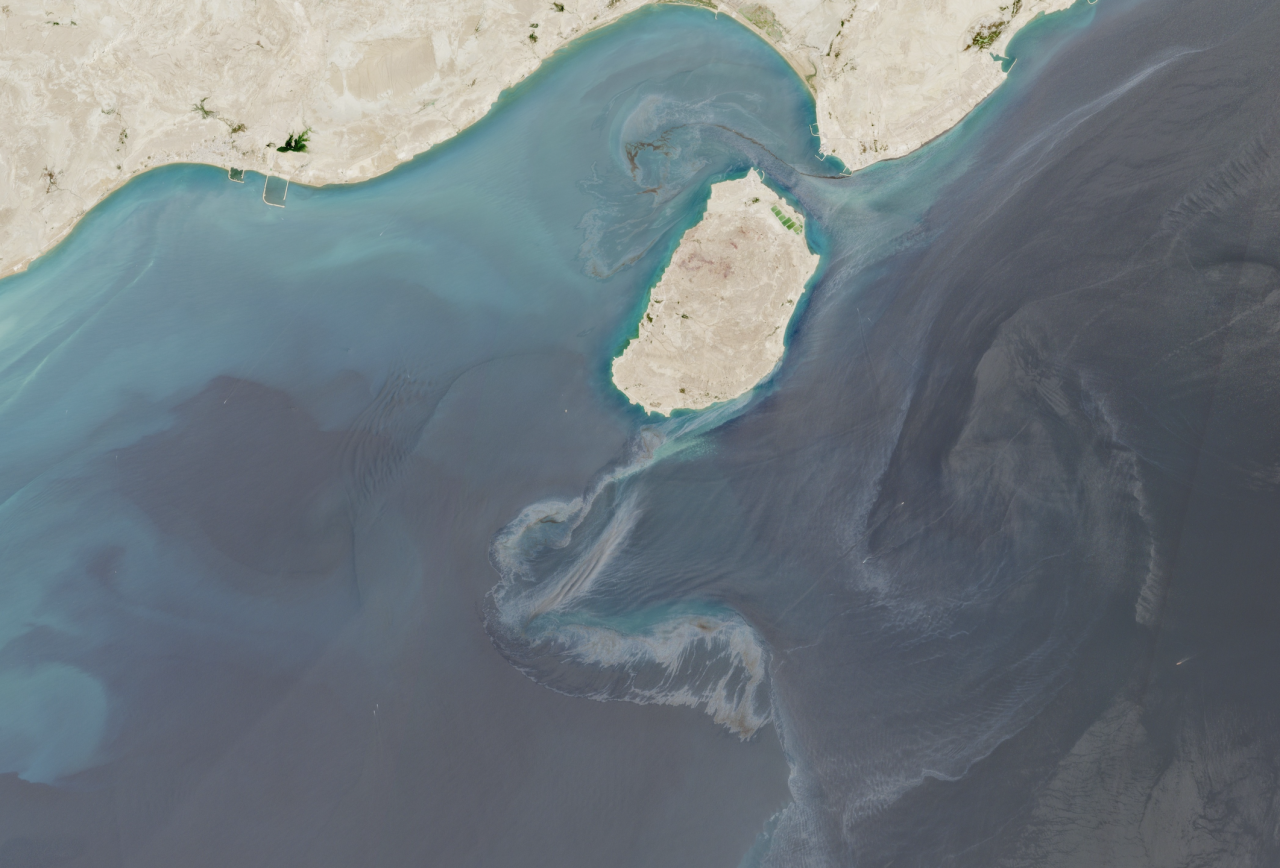
Satellite imagery taken on August 10 appeared to show large oil slicks off the coast of Iran’s Qeshm and Hengam Island near the Strait of Hormuz.
“A marineliated news agency said
Oil tankers have repeatedly come under attack throughout the war as the US and Iran continue to vie for control of the critical waterway
Satellite imagery taken on August 10 appeared to show large oil slicks off the southern coast of the nearby Hengam Island
Pakistan’s foreign minister has said three of its nationals were killed and one more wounded in an attack by the Houthi militia on a commercial vessel in the Red Sea
The deaths would mark the first fatalities in the Red Sea since the Yemen-based, Iran-backed Houthis declared a blockade of the Bab al-Mandeb Strait on July 20. They also follow on the heels of Pakistan signing a mutual defense treaty with Saudi Arabia and Turkey, as the Middle East conflict threatens to widen
“Pakistan strongly condemns the Houthi attack on a non-combatant commercial vessel,” Ishaq Dar wrote on X
“Such attacks endanger innocent lives, constitute a violation of international law, and pose a serious threat to freedom of navigation, maritime security, and the safety of commercial shipping in the Red Sea.”
Yemen’s internationally recognized government earlier accused the Houthis of killing four crew members and two rescue workers in a “double-tap” strike against a Saudi-owned vessel sailing through the strait
The Houthis claimed responsibility for the strike carrying military equipment. Saudi Arabia did not immediately respond to the claim
The group warned last month that it would target any Saudi shipping seeking to transit the strait, in response to a long-standing Saudi blockade against the group, which controls much of northern Yemen
Signed earlier this month, the mutual defense pact between Pakistan, Saudi Arabia and Turkey stipulates an attack against any of them “shall be regarded as an attack against them all.”
Speaking to reporters during a briefing on Wednesday, Tahir Andrabi, spokesperson for Islamabad’s foreign ministry, said as a signatory to the deal, the country is “ready and willing to assist Saudi Arabia and other coalition partners to preserve the security and safety of maritime traffic.”
Andrabi said Pakistan is in touch with the Saudi Arabian and Yemeni governments to seek more information on the strike
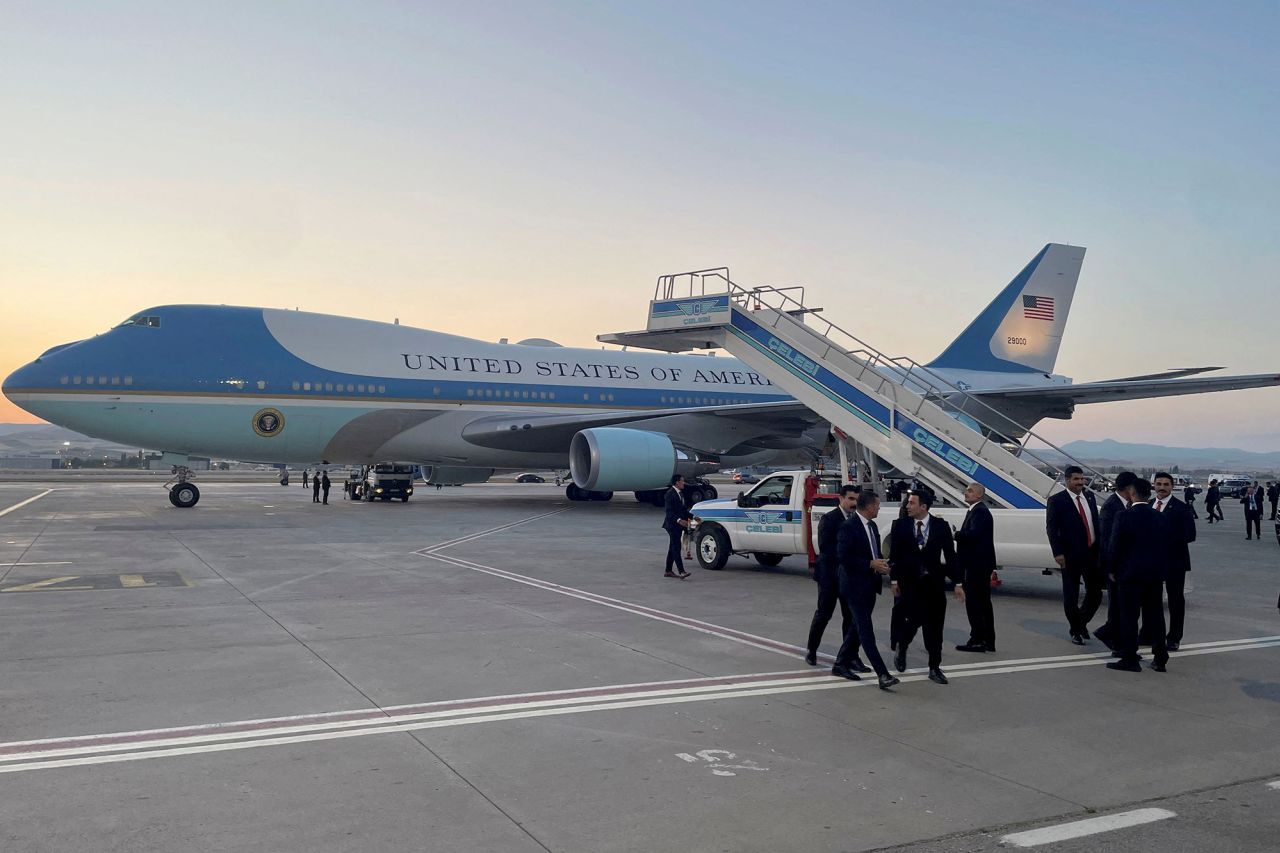
A catering truck is parked on the other side of Air Force One, before US President Donald Trump’s departure from Ankara en route to Washington after his participation in the NATO leaders’ summit, at Ankara Esenboga Airport in Ankara, Turkey, on July 8.
At least two Cabinet secretaries were aboard the larger Air Force One plane that departed Turkey last month without President Donald Trump aboard, according to a US official, after Trump furtively switched jets on the tarmac
Secretary of State Marco Rubio and Treasury Secretary Scott Bessent, who had been accompanying Trump at the NATO summit in Ankara, stayed behind on the blue and white Boeing 747 along with other White House staffers, military personnel and members of the press, most of whom were unaware of Trump’s whereabouts
The plane was believed to be the target of an Iranian threat deemed credible enough to force Trump’s secret swap, and was used as a sort-of decoy, departing Turkey without the president on board
It’s not yet clear which staffers joined Trump aboard the smaller plane that ferried him to a military base in Britain
Read more here
President Donald Trump insisted tonight that the United States still has control over the Strait of Hormuz and threatened that Iran would “get blown away” if the country tried to “do something.”
Trump has previously said the Strait of Hormuz is “open,” claiming that the US Navy has swept the waterway for mines and is in control of it, but shipping datadoesn’t back that up, CNN reported Monday
Both the US and Iran have yet to arrive at a deal to reopen the critical waterway. But Trump on Monday applied a new condition on talks, saying that he would now require compensation from the country for past misdeeds
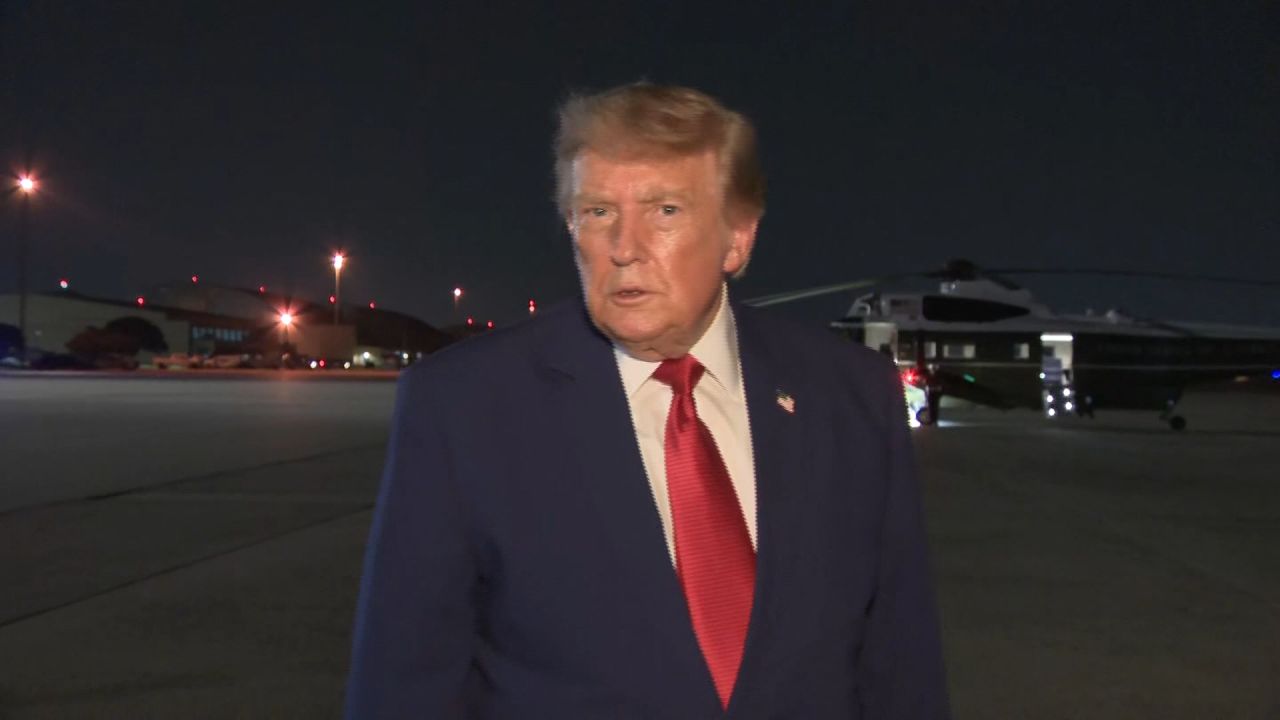
President Trump says Secret Service advice prompted plane switch ruse
0:20• Source:
CNN
President Trump says Secret Service advice prompted plane switch ruse
0:20
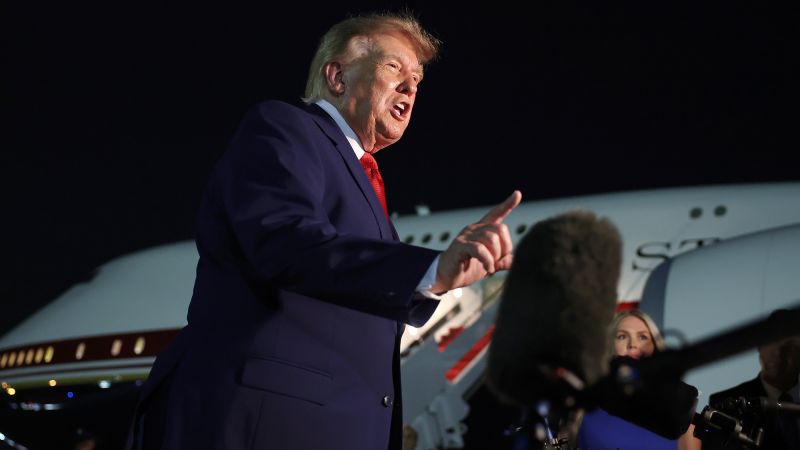
President Donald Trump said tonight that he followed instructions from the US Secret Service and military when he secretly switched aircraft in Turkey last month, using a catering truck to keep himself hidden from public view
“I just follow what they’d like to do. So I go by Secret Service and the military. They wanted me to go on a different flight, a different plane, equal safety, but they wanted me to do it, so I do it. I do what they say,” Trump told reporters as he landed at Joint Base Andrews from Ohio
Trump said he was not given many details of what necessitated the clandestine maneuvering. “I guess there was a threat out there. I didn’t really ask too much about it. I get a lot of threats,” he said
Asked why it was considered too dangerous for him to fly on Air Force One but not for members of the press, Trump said any plane he is on is more likely to be targeted
“I think actually the plane that I flew on was at greater risk … Because that would be the plane, I think, that they would be more likely to go for,” he said
The president said he was not surprised when the Secret Service asked him to secretly switch planes
Asked whether he was concerned about the possibility of a shoulder-fired missile attack during his departure from Turkey, Trump said he was generally unbothered: “I don’t worry about anything, to be honest. Whatever it is, you know my attitude? Whatever.”
The New York Times and Wall Street Journal have reported that Trump’s plane switch was prompted by an Iranian plot to target Trump with a shoulder-fired missile as he departed the NATO summit
