

• Strait of Hormuz:Iran and Oman have each signaled they are close to a deal on managing the key waterway, but Iranian officials insist the strait will not fully open until the US agrees to end the war, withdraw troops and make other long-sought concessions. Oman has also warned that ongoing attacks on shipping could derail progress
• Washington’s dilemma:vately made clear that the US needs to find an off-ramp from the war with Iran, because the military options on the table to escalate the conflict could backfire
• Supreme leader:Iranian state media shared an undated video of Supreme Leader Mojtaba Khamenei, who has not appeared publicly since becoming the country’s top political and religious authority. The post provided no detail on the timing of the footage and will likely only fuel speculation over his whereabouts and health
24 Posts
It’s been another day of back-and-forth news on the Strait of Hormuz, with Iran and Oman voicing optimism that they’ll soon reach a deal on how to manage the key waterway — but Tehran also throwing cold water on hopes that the agreement could mean a speedy return to normal traffic
The strait’s effective closure and the war’s other disruptions to global shipping have driven energy costs higher. Here’s where oil prices stood entering the weekend:
Meanwhile, here’s what Americans are paying at the pump, on average:
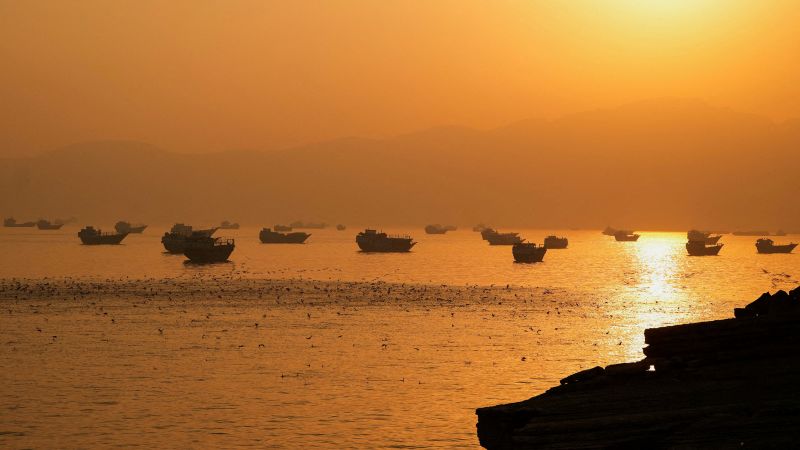
<img src="https://todaytrendnews7.com/wp-content/uploads/2026/08/gettyimages-2282234262-1.jpg" alt="People watch vessels anchored near the Strait of Hormuz in Muscat, Oman, on June 18.”>
People watch vessels anchored near the Strait of Hormuz in Muscat, Oman, on June 18.
Iran and Oman have both given positive signals today that an agreement on navigation through the Strait of Hormuz could be in reach, but Tehran has been quick to state that the deal would not result in the key waterway reopening immediately
Iran’s national security chief insisted that traffic in the strait won’t return to normal unless the US agrees to end the war, withdraw troops and pay Tehran financial compensation, among other long-sought concessions
And for its part, Oman has also urged caution, saying ongoing attacks on shipping in the strait could derail progress. The United Arab Emirates blamed Tehran for one such attack on an oil tanker early Saturday
If you’re just joining us, here’s what else to know:
- Iranian state media shared an undated video of Supreme Leader Mojtaba Khamenei today, a first since his appointment in March following the assassination of his father. The post provided no detail on the timing of the footage and will likely only fuel speculation over his whereabouts and health. Khamenei has yet to appear publicly since becoming the top political and religious authority in the Islamic Republic.
- Yemeni forces conducted a military operation targeting the Iran-backed Houthi militant group today, according to a statement published by its Defense Ministry. The Houthis are one of several Iranian proxies that have threatened to widen the conflict in the Middle East.
- The military action in Yemen comes after Saudi Arabia signed a NATO-like defense pact with Turkey and Pakistan, aiming to bolster its mutual defense in light of Houthi threats. Iran dismissed the agreement, saying it won’t assure the kingdom’s security.
- Meanwhile, the White House is mulling its options for the next steps in its war with Iran. Chairman of the Joint Chiefs Gen. Dan Caine has privately made clear to other Trump administration advisers that Washington needs to find an off-ramp from the war, according to three sources familiar with the matter.
CNN’s Hanna Ziady, Valey Arya, Eyad Kourdi, Sophie Tanno, Issy Ronald and Julia Benbrook contributed to this reporting
Iran’s national security chief Mohammad Bagher Zolghadr issued a list of demands for the US to fulfill before Iran would reopen the Strait of Hormuz
State media published the list of requirements from Zolghadr, the secretary of the Supreme National Security Council. The list includes measures such as lifting the US naval blockade, withdrawing military forces and permanently ending the war
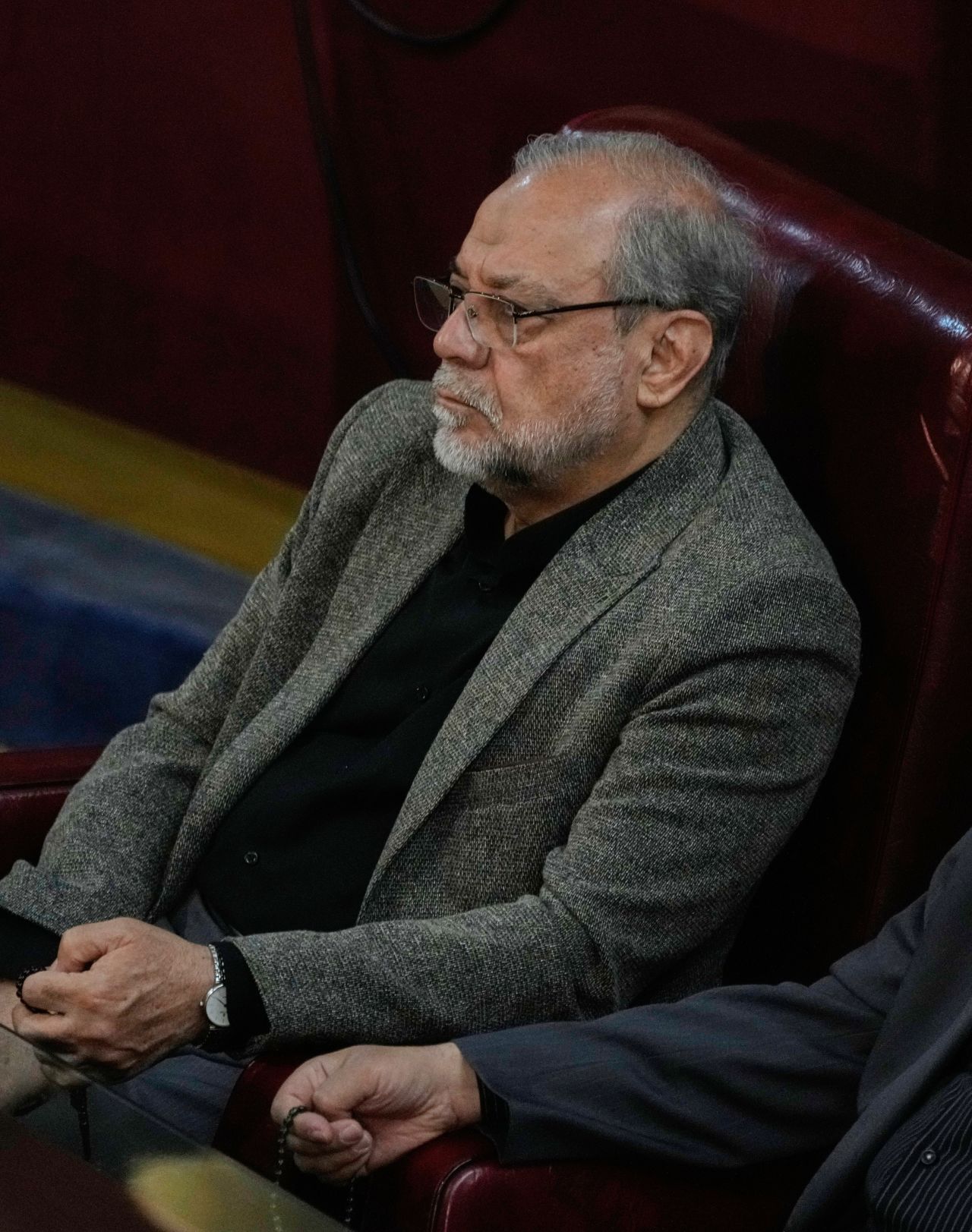
Mohammad Bagher Zolghadr attends the inauguration ceremony of the sixth term of the Assembly of Experts in Tehran, Iran, on May 21, 2024.
Zolghadr also calls for the US to compensate Iran for damages caused by the conflict and release frozen Iranian assets
“These are the demands of the Iranian people, which they have loudly proclaimed during 160 days of steadfast presence in the field and in the streets,” the politician said
“Until America corrects its behavior, the Strait of Hormuz will not be reopened,” his statement read
CNN has reached out to the White House for comment
Some background:Earlier on Saturday, Iran’s Foreign Minister Abbas Araghchi said that Iran is “very close” to reaching a deal with Oman on managing the Strait of Hormuz
But he cautioned that the reopening of the strait was “subject to other conditions,” including the US making amends for what he said was a violation of the memorandum of understanding agreed between the two countries in June
Oman’s Ministry of Foreign Affairs describedthe negotiations as “positive and constructive.”
On Friday, Iran’s state-affiliated Islamic Republic of Iran Broadcasting (IRIB) reportedthat Iranian lawmakers had largely landed on a proposed framework agreement with Oman but were waiting for “final approval.”
Iranian state media shares undated video of supreme leader as health speculation swirls
0:12• Source:
CNN
Iranian state media shares undated video of supreme leader as health speculation swirls
0:12
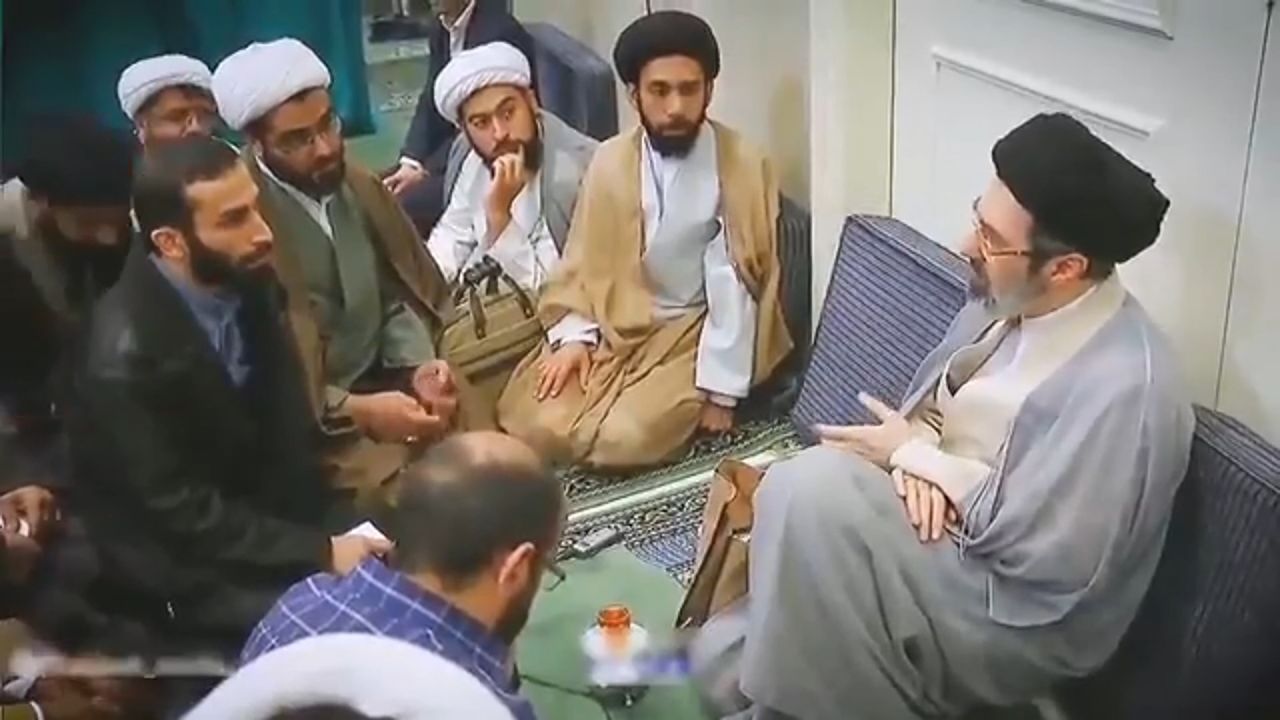
Iranian state media shared an undated video of Supreme Leader Mojtaba Khamenei, a first since his appointment in March following the assassination of his father Ali Khamenei at the start of the Iran war
The new supreme leader is yet to be seen in public and has so far only been heard from through messages issued
The footage shows Khamenei giving a religious lesson to a group of people and appears to have been taken before the war. The post provided no detail on the timing of the footage. Nor is it clear why the footage is being shared now and will likely only fuel further speculation over his whereabouts and health
One of the outlets that shared it, Mehr, is semi-official and seen as close to the supreme leader but the images have not been widely published on other Iranian channels
d he had suffered a fractured foot, as well as minor lacerations to his face, on the first day of the US and Israel’s bombardment campaign. The are no signs of injury in the latest footage
Yemeni forces conducted a military operation targeting the Iran-backed Houthi militant group today, according to a statement published by Yemen’s Defense Ministry
Big picture:The Houthis are one of several Iranian proxies that have threatened to widen the conflict in the Middle East. The rebel group has struck commercial shipping and recently ramped up attacks targeting Saudi Arabia
The Yemeni colonel said the Houthis have “plundered” the country’s rento regional conflicts in service of foreign agendas and schemes.”
He called on Yemeni citizens to support the country’s Armed Forces and UN-recognized government “in restoring state institutions and alle
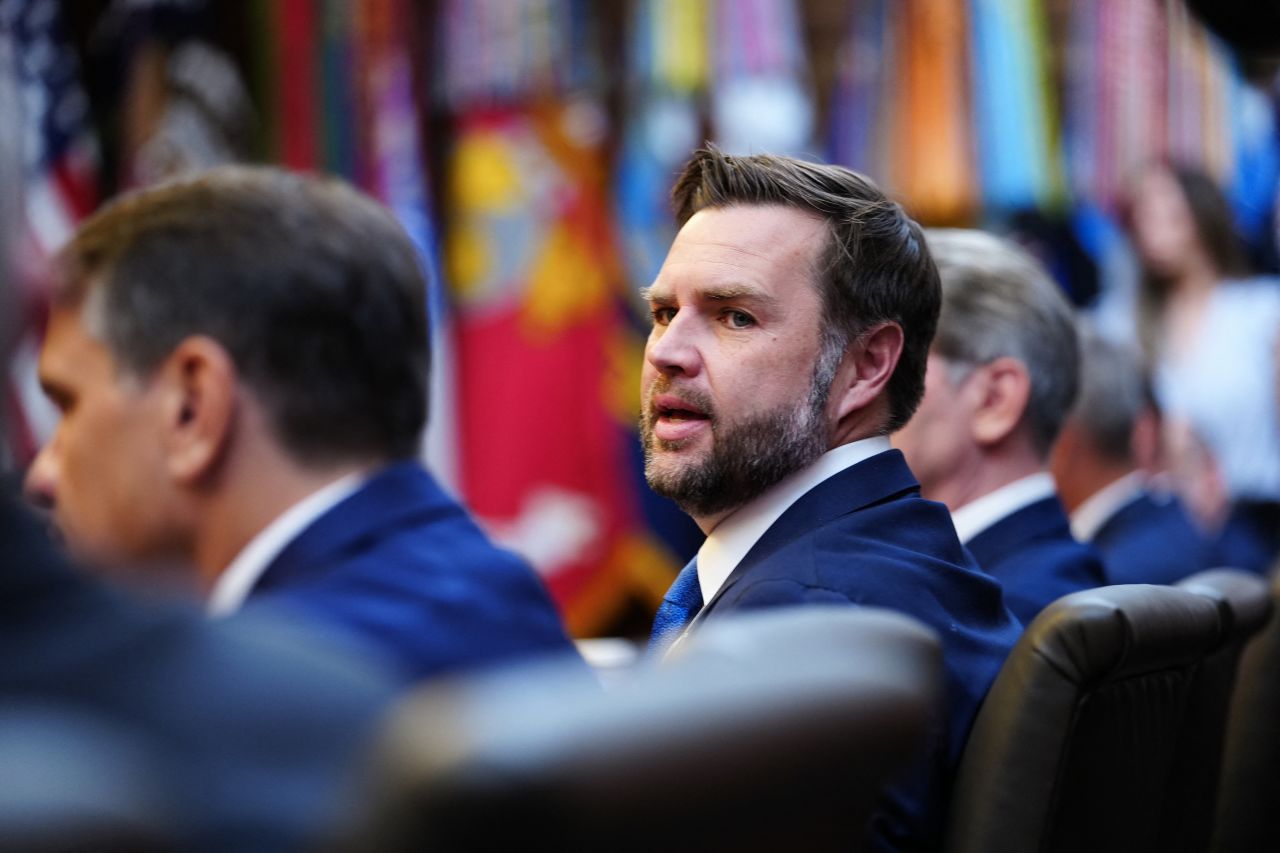
US Vice President JD Vance speaks during a Cabinet meeting at Camp David in Maryland, on July 31.
The US is seeking to “maximize the amount of oil and gas that are coming out of the Strait of Hormuz,” Vice President JD Vance told Fox News today, as Iran and Oman signaled progress on a deal to manage the critical waterway
The strait, which has been effectively closed by Iran since the US and Israel began the war with Iran in February, remains what the administration is “most focused on right now,” Vance said
Vance said Iran and Oman are working toward “a traffic scheme so that the ships that pass can pass through safely,” adding that a deal required a commitment from Iran to not fire at commercial vessels. At least one oil tanker was targeted today as it attempted to pass the strait. The UAE has blamed Iran for the attack
While Tehran has said a deal with Oman is “very close,” the Iranian foreign minister warned today that reopening the strait would still be “subject to other conditions,” including compensation from the US
Vance said the US has used “a whole host of tools” to pressure Iran, including diplomatic, economic and military tactics
“Right now, we are trying to see if they are able to make the kind of long-term changes that would be necessary to have a better relationship with the United States,” Vance said
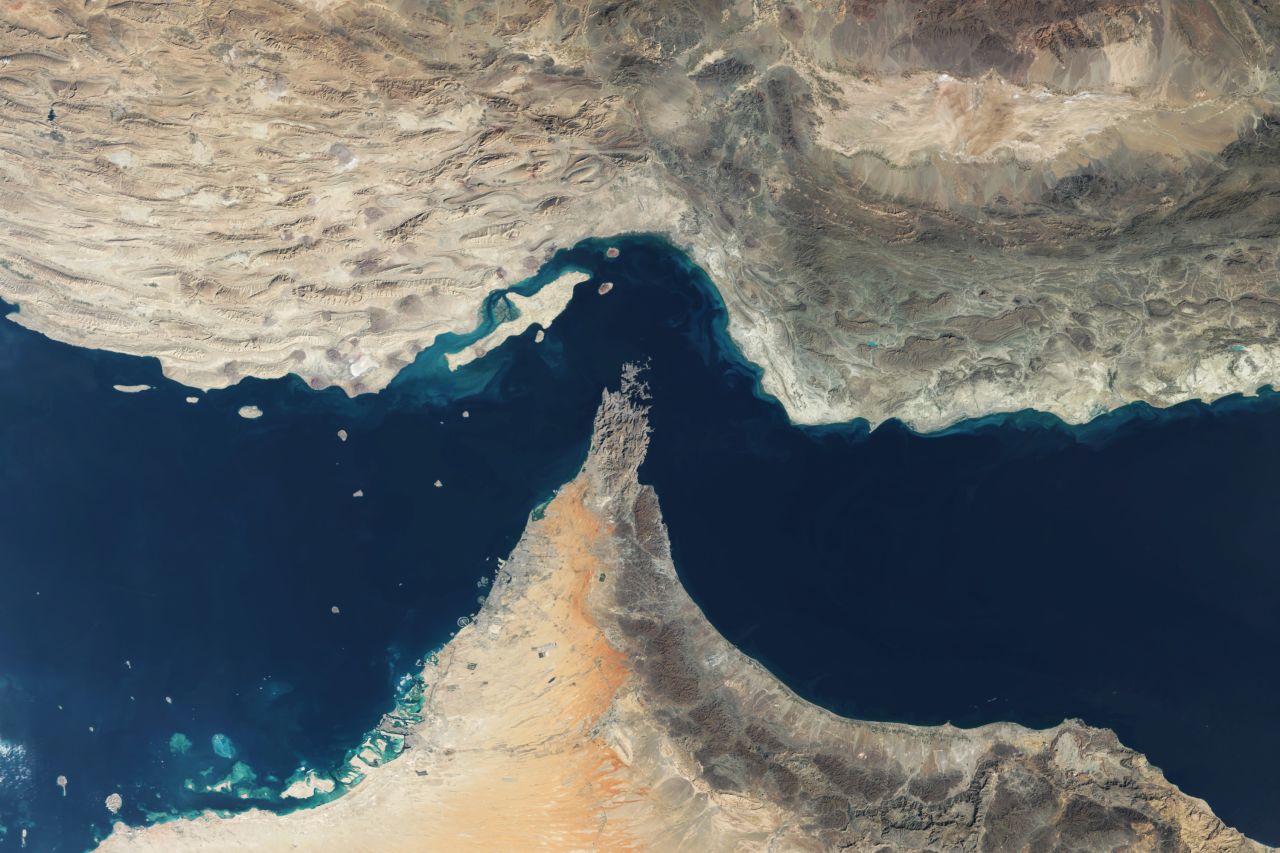
A satellite view of the Strait of Hormuz on January 11, 2025.
The Strait of Hormuz has been a crucial bargaining chip throughout the US-Israeli war with Iran. It’s been effectively closed by Iran since the fighting began in late February
As Washington and Tehran issue mixed messages on the waterway, the focus in recent days has shifted to talks between Omani and Iranian negotiators
Oman’s Foreign Ministry said today that the talks have been “positive and constructive,” and Iran’s Foreign Minister Abbas Araghchi said the two countries are “very close” to a deal on managing the waterway
Araghchi warned, however, that the agreement alone won’t resolve the crisis. The foreign minister said reopening the vital strait would still be “subject to other conditions,” including compensation from the US
The narrow waterway passing between Iran and Oman serves as the main route for shipping crude from oil-rich countries such as Saudi Arabia, Iraq and Kuwait to the rest of the world
Iran controls the strait’s northern side. About 20 million barrels of oil, or about one-fifth of daily global production, used to flow through the strait every day, according to the US Energy Information Administration, which calls the channel a “critical oil chokepoint.” According to the EIA, “very few alternative options exist to move oil out of the strait if it is closed.”
The strait also carries about one-fifth of global trade in liquefied natural gas
Energy analysts have warned that oil and natural gas prices are likely to remain elevated until the strait is passable, even as Saudi Arabia and the United Arab Emirates seek to expand other routes to get their crude to market
This post has been updated with the latest statements from Oman and Iran
Iran says it is “very close” to a deal with Oman on managing the Strait of Hormuz, but that an agreement won’t be sufficient on its own to reopen the vital waterway
Iran’s Foreign Minister Abbas Araghchi told reporters Saturday that the reopening of the strait was “subject to other conditions,” including the United States making amends for what he said was a violation of the memorandum of understanding agreed between the two countries in June
He singled out Article Five of the agreement — which called on Iran to “make arrangements” for vessel transits through Hormuz — claiming that the US undermined Tehran’s management of the strait by seeking to establish its own alternative routes. Some ships have transited the strait under the protection of the US Navy
About the potential deal:Under the Iran-Oman agreement, Araghchi said vessels would transit the straitthat would replace the historic “Traffic Separation Scheme,” which ships had been using before the war. “A new TSS needs to be established, which of course involves extensive technical and legal complexities,” the foreign minister said
Iranian officials have previously indicated that a deal with Oman on managing the strait was imminent. On Saturday, Oman said talks had been “constructive” but warned that ongoing Iranian attacks on vessels threatened progress
At least one oil tanker was targeted Saturday as it attempted to transit the strait. The UAE has blamed Tehran for the attack
Ongoing negotiations with Iran over navigation through the Strait of Hormuz are “positive and constructive,” Oman’s Ministry of Foreign Affairs said Saturday
However, the ministry warned that Iran’s continued targettng of vessels transiting the strait puts any progress in the talks at risk
It comes after an Abu Dhabi National Oil Company (ADNOC) oil tanker was targeted by a missile as it transited the key waterway this morning, the company said in a statement. The UAE’s foreign ministry and Gulf Cooperation Council — the political and economic alliance in the region explictly blamed Iran for the attack
On Thursday, Tehran said it wasfinalizing a deal with Oman for the movement of vessels through the Strait of Hormuz. However, a deal between the two nations does not mean the waterway will reopen, as Tehran said it requires a number of guarantees from the United States if vessels are to transit the strait freely
CNN’s Issy Ronald, Aida Karimi and Nadeen Ebrahim contributed reporting
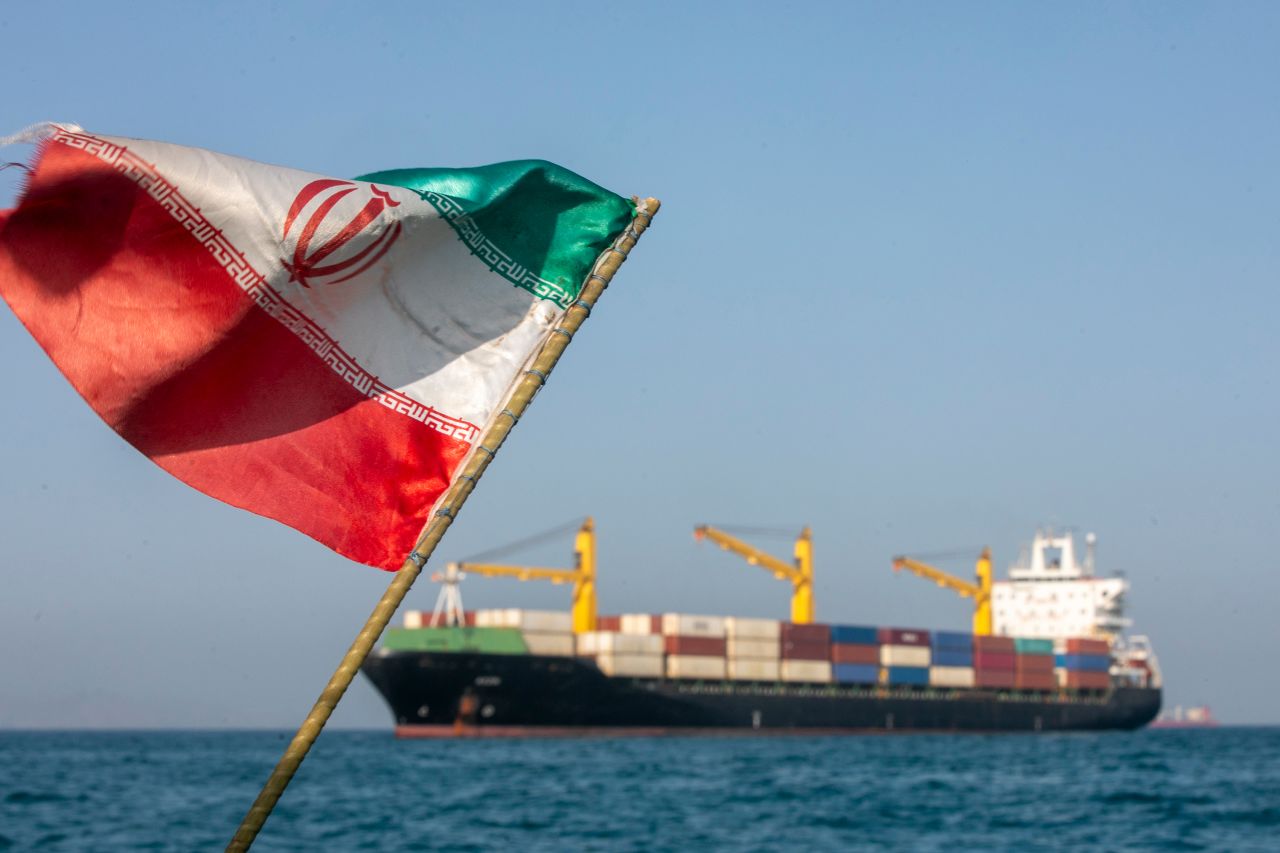
An Iranian flag flutters in the wind as ships are anchored in the Strait of Hormuz near Larak Island, Iran, on May 16.
Iran is waiting for “final approval” on a proposed framework agreement with Oman for shipping in the Strait of Hormuz, Iranian state media reported yesterday
Under the agreement, Iranian and Omani routes will remain in use temporarily before traffic is redirected through a central course, according to Iran’s semi-official Fars News Agency. Officials in Iran would oversee inbound traffic, while their Omani counterparts would manage outbound traffic, Fars said
The vital Strait of Hormuz has been effectively closed by Iran since the US and Israel began the war back in February. It is the main route for shipping crude from oil-rich countries such as Saudi Arabia and Kuwait to the rest of the world
Both Tehran and Muscat have Exclusive Economic Zones (EEZ) in the strait
According to the United Nations, a state has “sovereign rights” to explore, exploit, conserve and manage the natural re
However, under the United Nations Convention on the Law of the Sea (UNCLOS), “ships of all States, whether coastal or land-locked, enjoy the right of innocent passage through the territorial sea.”
A coastal state should not “hamper the innocent passage of foreign ships through the territorial sea,” it says, except in specific outlined scenarios. It may “take the necessary steps in its territorial sea to prevent passage which is not innocent,” UNCLOS outlines
CNN’s Aida Karimi and Sana Noor Haq contributed to this reporting
An Abu Dhabi National Oil Company (ADNOC) oil tanker was targeted by a missile as it transited the Strait of Hormuz this morning, the company said in a statement released by the United Arab Emirates’ state-run WAM news agency
No one was injured in the incident, and the situation is “under control,” the statement added. The UAE’s foreign ministry and Gulf Cooperation Council – the political and economic alliance in the region – also condemned the attack, explictly blaming Iran for it
“This assault represents a dangerous and unacceptable escalation, as well as a direct threat to the security and safety of maritimate navigation … in one of the world’s most vital waterways,” Jasem Mohamed AlBudaiwi, the GCC’s Secretary General, said in a statement
Just this week alone, three ADNOC vessels have been attacked by missiles and drones in the strait, the company said in a separate statement on Friday
The Strait of Hormuz, the critical waterway which has become the central flashpoint of this war, remains extremely dangerous as Iranian forces have repeatedly targeted vessels attempting to transit, leading to its effective closure
Since the beginning of the war, 15 ADNOC vessels have come under attack, killing one crew member and injuring 20 others
Earlier today, Sepah News, the official website of Iran’s Islamic Revolutionary Guard Corps (IRGC), reported a UAE oil tanker had come under attack and “is currently burning in the US-supported shipping route.” ADNOC did not specify exactly where the vessel had been hit
Iran has used its effective control over the strait as a bargaining chip in its negotiations with the US. And on Saturday, IRGC spokesperson Brigadier General Hossein Mohibi reiterated Tehran’s position that the strait’s reopening “depends on the US fully accepting Iran’s conditions and refraining from interfering in the regional negotiation process.”
Some details of a tentative agreement between Iran and Oman to manage commercial shipping through the strait emerged yesterday. It remains unclear whether Oman or the United States has agreed to the arrangement described by Iranian media
CNN’s Abbas Al Lawati, Aida Karimi and Sana Noor Haq contributed reporting
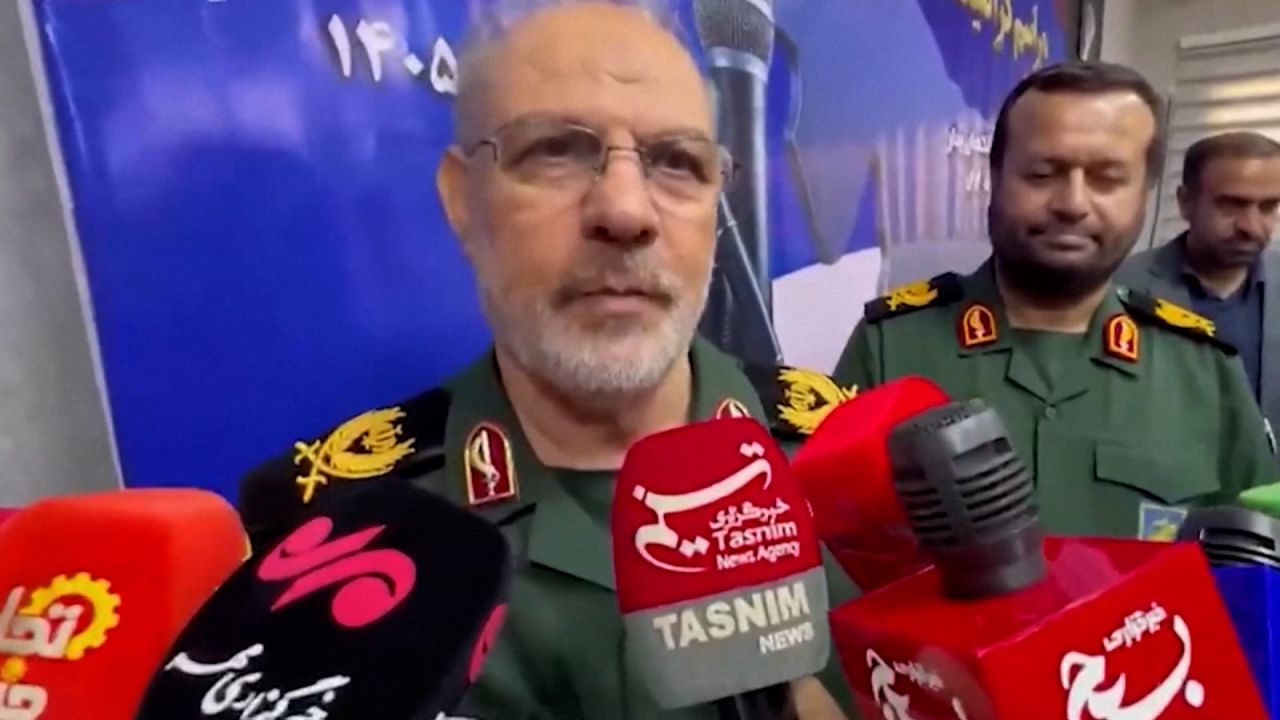
IRGC says re-opening Strait of Hormuz does not depend on talks with Oman
0:28• Source:
CNN
IRGC says re-opening Strait of Hormuz does not depend on talks with Oman
0:28
Vessel transits through the Strait of Hormuz “remained subdued” yesterday, according to maritime intelligence firm Kpler, as ship operators await further details of plans by Iran and Oman to manage the vital waterway
Just eight vessels transited the strait Friday, fewer than the previous day, with confirmed crossings since Monday down on the previous week, Kpler data showed
Questions remain about exactly how transits through the strait will be managed and whether Washington and its allies will agree to any new arrangement that sees Hormuz jointly controlled by Iran and Oman
Ship traffic is unlikely to return to pre-war levels, of around 130 to 140 crossings a day, according to analysts, which could keep oil prices elevated for longer
Some context: Leading shipping groups have warned against potential tolls or “service fees” in the Strait of Hormuz, saying in an open letter to the International Maritime Organization on Monday that such measures would push up the costs of trade and undermine freedom of navigation
Brent crude prices settled at $83.55 a barrel Friday, having dipped below $80 a barrel earlier in the week on optimism that a deal to reopen the strait could be imminent. Global oil prices have been volatile in recent weeks amid heightened uncertainty about potential outcomes from the Iran war
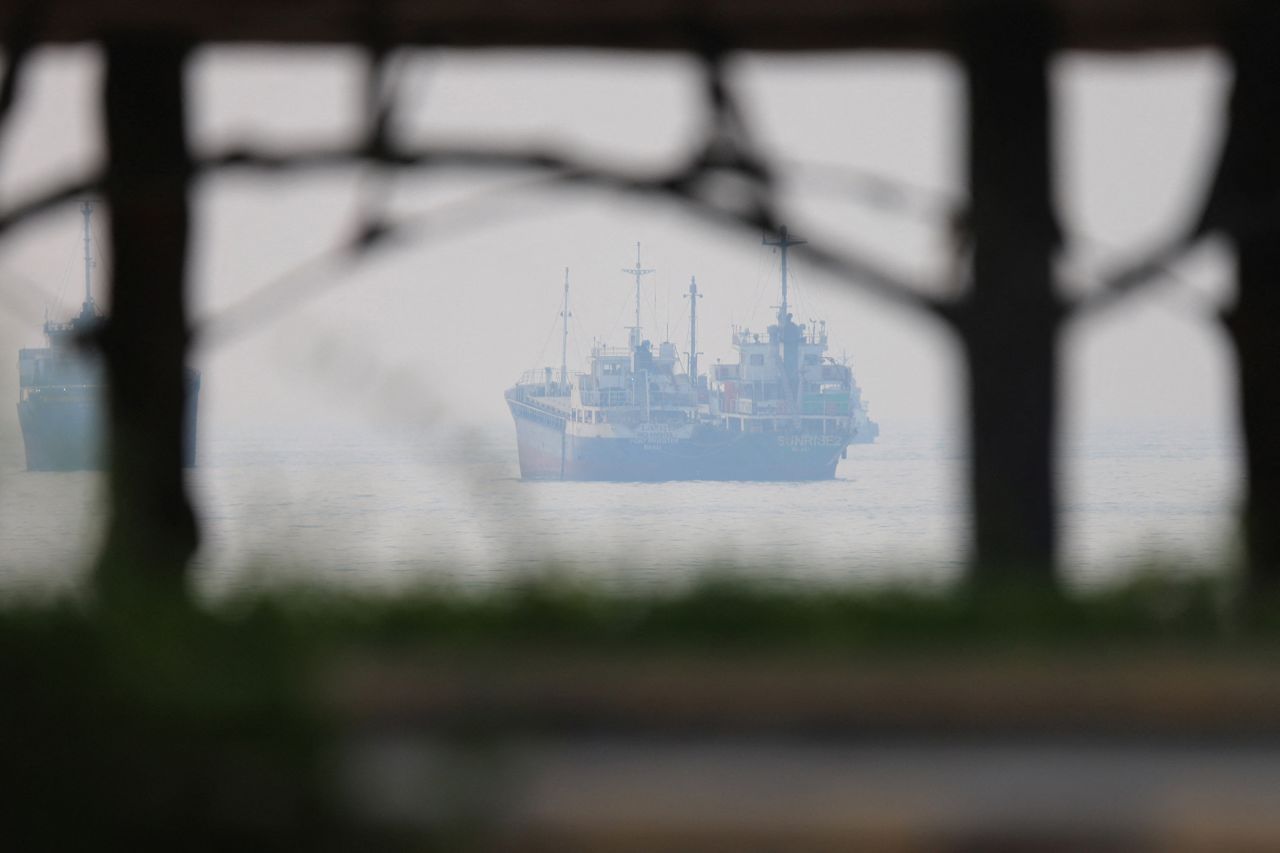
Vessels are seen in the Strait of Hormuz near Bandar Abbas, Iran, on June 30.
While tensions have ramped up between Yemen’s Houthis and Saudi Arabia in recent days, here’s a reminder of the latest developments in the conflict between the US and Iran
- Iran and Oman have been negotiating new shipping routes through the crucial Strait of Hormuz, which Tehran has effectively closed since the start of the conflict.
- Yesterday, Iran’s state media reported that lawmakers were waiting for “final approval” on a proposed framework agreement with Oman.
- Lawmakers have also drafted a bill to regulate traffic through the waterway, including restrictions on certain vessels and penalties for violators, according to Iran’s semi-official Fars News Agency.
- US Vice President JD Vance said on Wednesday that negotiations with Iran would “be messy” and take time, adding that “the Iranians are extraordinarily difficult people” with “a fractured system.”
- US President Donald Trump has privately complained that disclosures on the dwindling US munitions stockpile make the US look weak at a critical juncture, senior US officials said, as he repeatedly threatens additional military action to try and motivate Iran to agree to a deal.
- Chairman of the Joint Chiefs Gen. Dan Caine has privately made clear to other top Trump advisers that Washington needs to find an off-ramp from the war, according to three sources familiar with the matter.
- Iran’s parliament speaker and top negotiator accused Trump of “theater diplomacy” on Thursday, as Washington and Tehran gave conflicting accounts of whether US-Iran talks to reopen the Strait of Hormuz were taking place.
- Iran’s foreign minister, Abbas Araghchi, yesterday praised the military and called for Muslim unity, saying that Iran’s armed forces have “shown their readiness, capability, and might” when facing the US.
- Tehran is also showing off some of the US and Israeli aircraft it has brought down during the almost six-month war in the Persian Gulf, displaying the wreckage in what appears to be an underground bunker.
CNN’s Aida Karimi, Sana Noor Haq, Sophie Tanno, Piper Hudspeth Blackburn, Kevin Liptak, Kristen Holmes, Zachary Cohen, Alayna Treene, Alessandra Freitas, Mitchell McCluskey, Brad Lendon and Isaac Yee contributed to this reporting
The conflict in the Middle East has expanded, as tensions between Yemen’s Houthis and Saudi Arabia escalate
Saudi Arabia signed a mutual NATO-style defense pact with Pakistan and Turkey yesterday, stipulating that an attack against any of them “shall be regarded as an attack against them all.”
- Iranian officials have warned that the recently-signed mutual defense pact will not guarantee Saudi Arabia’s security, attempting to downplay the agreement.
- A former US ambassador, however, described the signing of the pact as “one of the more important developments of this war,” indicating that it signals a loss of faith in US security guarantees in the region.
- A member of the Houthis’ politburo told CNN that the group does not need orders from Tehran to ramp up its conflict with Saudi Arabia, saying Saudi aggression against it is reason enough for military action.
- The UN Special Envoy to Yemen says the country is facing its greatest risk of renewed conflict since the UN-brokered truce between the Houthis and Saudi-backed Yemeni government in April 2022.
- Meanwhile, Iran is marking Journalist’s Day, an event held annually to commemorate the death of a journalist working for state media nearly 30 years ago in Afghanistan. This comes despite the country ranking 177th out of 180 nations in Reporters Without Borders’ 2026 World Press Freedom Index.
CNN’s Sophia Saifi, Issy Ronald, Abbas Al Lawati, Monica Haider, Nadeen Ebrahim and Sophie Tanno contributed to this reporting
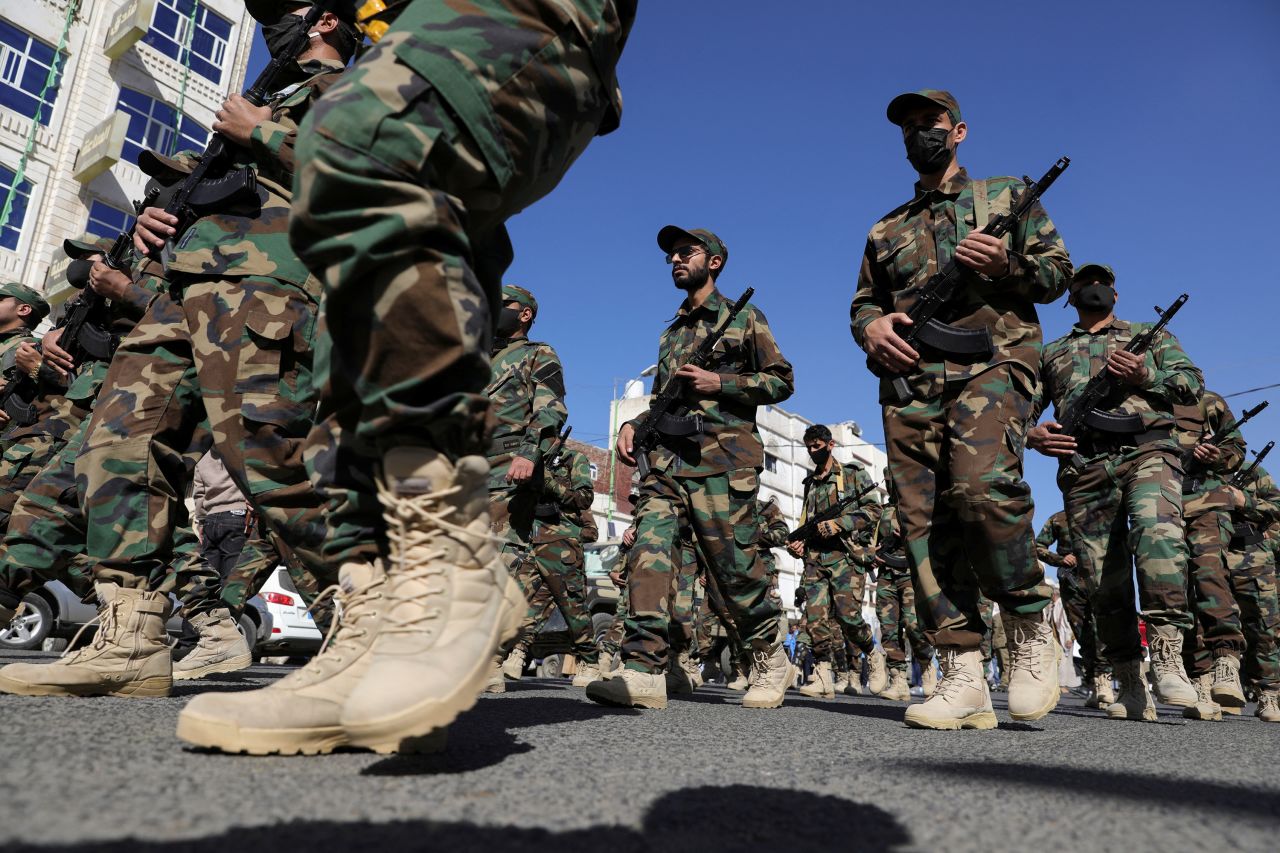
Houthi fighters take part in a parade for people who attended Houthi military training as part of a mobilization campaign, in Sanaa, Yemen, on December 18, 2024.
Tensions between Saudi Arabia and Yemen’s Houthis escalated this week, after the Houthis carried out an attack on Saudi forces at a base in eastern Yemen, according to the group’s spokesperson, reportedly killing and wounding dozens in a flurry of attacks
Here’s what to know about the Houthis:
Who they are
The Houthi movement, also known as Ansar Allah (Supporters of God), is one side of the Yemeni civil war. It emerged in the 1990s, when its leader, Hussein al-Houthi, launched “Believing Youth,” a religious revival movement for a centuries-old subsect of Shia Islam called Zaidism
The Zaidis ruled Yemen for centuries but were marginalized under the Sunni regime that came to power after the 1962 civil war. Al-Houthi’s movement was founded to represent Zaidis and resist radical Sunnism, particularly Wahhabi ideas from Saudi Arabia. His closest followers became known as Houthis
Yemen’s civil war began in 2014, when Houthi forces stormed the capital Sanaa and toppled the internationally recognized and Saudi-backed government. The conflict spiraled into a wider war in 2015 when a Saudi-led coalition intervened in an attempt to beat back the Houthis
A ceasefire was signed in 2022, but it lapsed just after six months. Warring parties have not, however, returned to full-scale conflict
Houthis’ allies
The Houthis are backed by Iran, which began increasing its aid to the group in 2014 as the civil war escalated and as its rivalry with Saudi Arabia intensified. Iran has provided the group with weapons and technology for, among other things, sea mines, ballistic and cruise missiles, and unmanned aerial vehicles, according to a 2021 report from the Center for Strategic and International Studies
The Houthis form part of Iran’s so-called “Axis of Resistance” – an anti-Israel and anti-Western alliance of regional militias backed by the Islamic Republic
How powerful is the group?
American officials have been tracking iterative improvements in the range, accuracy and lethality of the Houthis’ domestically produced missiles. Initially, home-grown Houthi weapons were largely assembled with Iranian components smuggled into Yemen in pieces, an official familiar with US intelligence told CNN previously
They have previously used drones and anti-ship missiles to target commercial ships – some of which aren’t believed to be linked to Israel – prompting the USS Carney, a warship in the Red Sea, to respond to distress calls
Yemen is facing its greatest risk of renewed conflict since the United Nations-brokered truce in April 2022, UN Special Envoy to Yemen Hans Grundberg said Friday. This is due to recent attacks by the Houthis targeting Saudi and Yemeni government forces as well as renewed attacks on commercial shipping in the Red Sea and the Gulf of Aden
He urged all parties to exercise maximum restraint, stop actions that encourage military retaliation and engage in negotiations
His comments come as the Iran conflict is increasingly spilling over to other regional nations, with Yemen’s Iran-backed Houthi rebels launching a spate of attacks on United States’ allies
The Houthis carried out an attack on Saudi forces at a base in eastern Yemen, the armed group’s spokesperson said Friday, targeting Saudi forces, warehouses, vehicles and military equipment at the Sahn al-Jinn camp, a major military base located north of the center of Marib city
The war in Yemen dates back over a decade, and is primarily a conflict between the Houthi rebels and a Saudi-led coalition backing the internationally recognized government
Iran is today marking Journalist’s Day, an event held annually to commemorate the death of a journalist working for the state news agency Islamic Republic News nearly 30 years ago in Afghanistan
However, the event comes despite most of Iran’s media being tightly controlled by the state, with the country ranking 177th out of 180 nations in Reporters Without Borders’ 2026 World Press Freedom Index, meaning it is one of the worst countries globally for open access to information
“Iran remains one of the world’s most repressive countries in terms of press freedom. The regime has intensified its crackdown and media blackouts since 2022 in response to protests and the 2026 US-Israeli offensive,” Reporters Without Borders said in the 2026 report
The annual event was started after Mahmoud Saremi was killed during a Taliban attack on the Iranian consulate in Afghanistan on August 8, 1998. Several Iranian diplomatic personnel were also killed in the incident. Iran’s government holds annual formal ceremonies in Tehran to honor their memory
The Islamic Public of Iran Army, the nation’s conventional armed forces, said in a statement today that “journalists are considered commanders on the front lines of the media battle against the enemy.”
Mohammed Qalibaf, Iran’s parliament speaker, said they are “combatants whose trench is awareness and whose weapon is truth,” Iran’s Fars news agency reported. “Journalists are not merely conveyors of news; their mission is to defend the psychological security, national identity, and cultural authority of a nation,” he added
The Islamic Revolutionary Guard Corps (IRGC) said that August 8 “commemorates the tireless efforts of the martyred journalist Mahmoud Saremi and other distinguished journalist martyrs.”
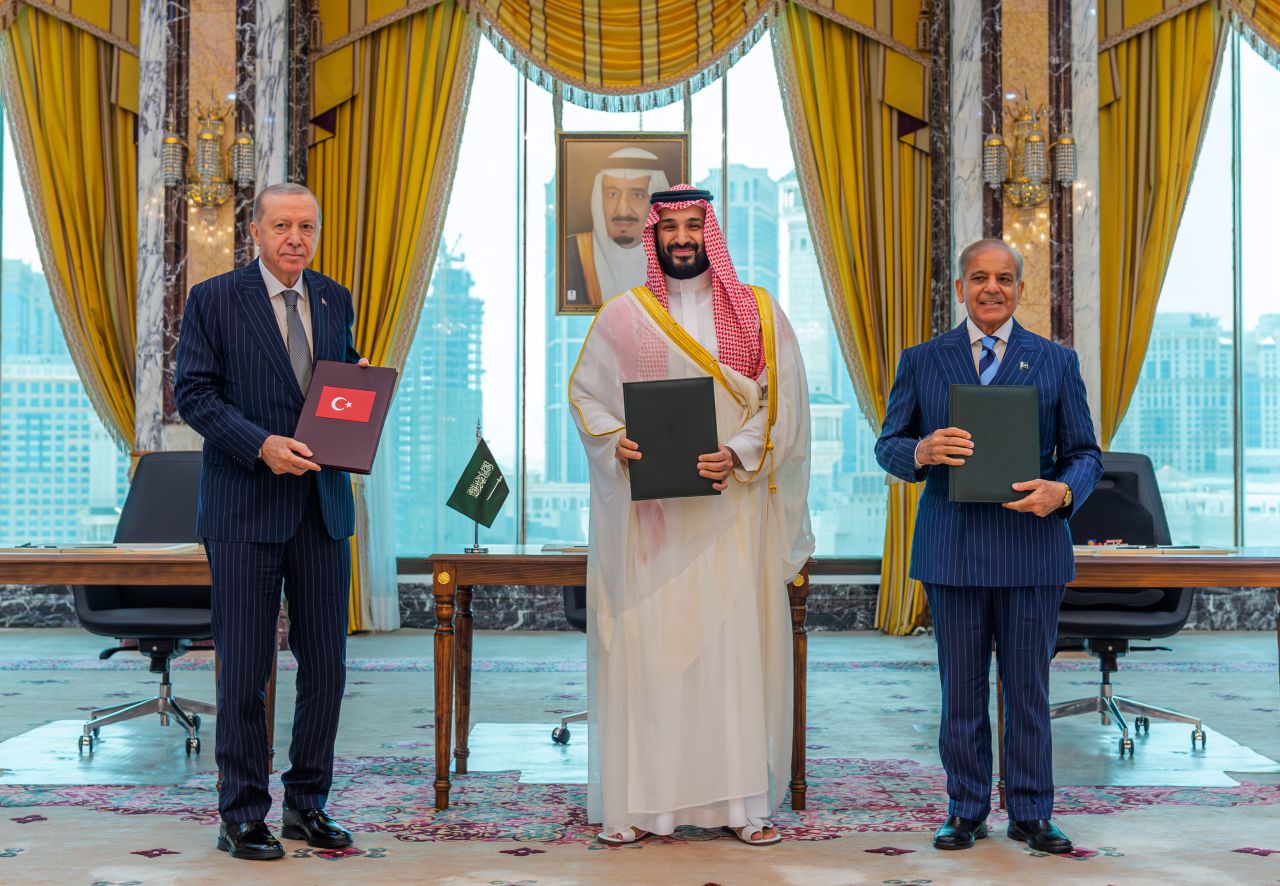
Turkish President Recep Tayyip Erdogan, Saudi Crown Prince Mohammed bin Salman and Pakistani Prime Minister Shehbaz Sharif pose after signing a trilateral defense agreement in Mecca, Saudi Arabia, on Friday.
Saudi Arabia has drawn two of the Muslim world’s most formidable military powers into its defense in a landmark NATO-style pact, as the Iran war moves closer to the kingdom
Pakistan and Turkey signed amutual defense pact with Saudi Arabia in Mecca on Friday, consolidatingtheir longstanding security ties into a collective-defense alliance that stipulates an attack against any of them “shall be regarded as attack on them all.”
That commitment could draw Pakistan and Turkey into a war they have carefully kept at arm’s length
The pact gives Saudi Arabia a powerful new layer of protection beyond its longstanding security partnership with the United States amid growing regional doubts over whether Washington can still be relied upon to protect its oil-rich Gulf allies
Turkey has the second-largest military in NATO, behind only the US, while Pakistan is the only nuclear-armed Muslim nation
Such powerful allies strengthen Saudi deterrence and present a united Sunni-led military front against a mounting Iranian threat, though a Turkish official told CNN the agreement isn’t directed against any specific actor and the Saudi foreign ministry insisted this “does not represent an effort to establish a military axis or a sectarian bloc.”
The pact also comes as Israel expands its military reach across the region and Riyadh’s relations with the neighboring United Arab Emirates fray
Read our full analysis herefor more on what this pact means for the region
Iranian officials have repeatedly warned that Saudi Arabia’s mutual defense pact with Pakistan and Turkey will not guarantee the kingdom’s security, attempting to downplay an agreement which strengthens Saudi deterrence and could serve as a warning to Tehran
“Saudi rulers must know that just as America’s bases could not bring them security, clinging to America’s lackeys will not bring them security either,” Mahmoud Nabaurity and Foreign Policy Commission, wrote on X
That echoed earlier comments by fellow committee member Ebrahim Rezaei who said, “the Saudis should understand that a paper agreement with Turkey and Pakistan will not bring them security.”
The NATO-like pact between Saudi Arabia, Pakistan and Turkey – three of the region’s most powerful actors – commits them to defend each other if one is attacked
A Turkish official told CNN that the pact is “purely defensive” and is not directed against any specific actor. But it comes at a time when Saudi Arabia faces threats on multiple fronts; a Saudi official told CNN on Thursday the kingdom was braced for a major, coordinated assault by Iran-backed militias in Iraq and Yemen, supported by Iran’s Islamic Revolutionary Guard Corps
CNN’s Abbas Al Lawati and Gul Tuysuz contributed reporting
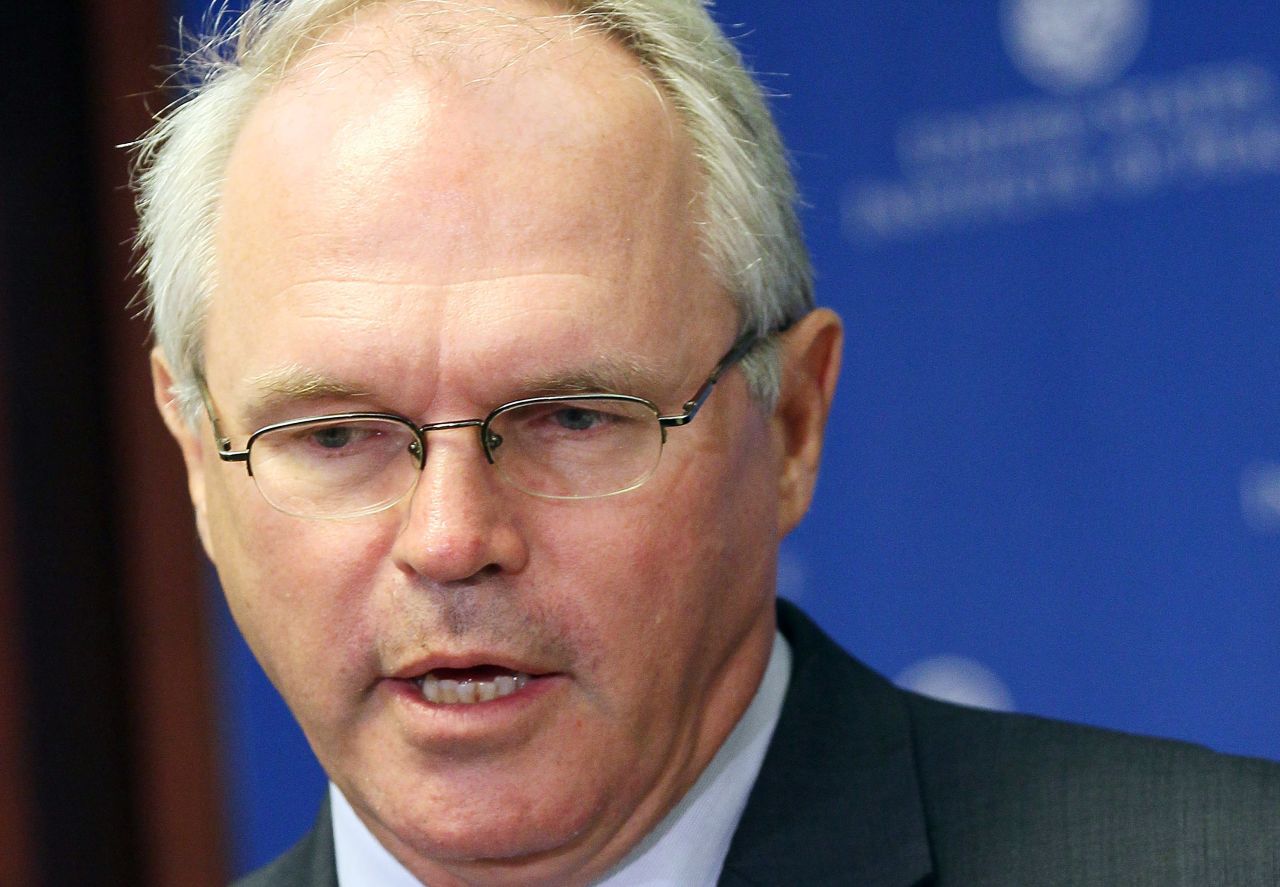
Then US Ambassador to Iraq Christopher Hill speaks at the United States Institute of Peace on August 18, 2010.
The signing of a mutual defense pact between Saudi Arabia, Turkey and Pakistan is “one of the more important developments of this war,” a former US ambassador has told CNN, saying it signals a loss of faith in US security guarantees in the region
Stipulating that an attack against any one of the nations “shall be regarded as an attack against them all,” the pact reinforces how countries in the Middle East and beyond are reshaping their strategies and defenses after almost six months of war across the region
Speaking to CNN’s Elex Michaelson, Christopher Hill pointed out that all three signatories are US allies
“They all believe that the US is just not going to be there for them and it’s time to step up some regional efforts,” said Hill, a former assistant secretary of state and five-time US ambassador, most recently serving as Washington’s envoy to Serbia
And the pact sheds light on the “degree to which the rest of the world is getting worried about how the US manages its interests and its issues,” he added
“You do not see any fingerprints from the US on this,” Hill said
“It’s one thing to be unpredictable, but I think we are becoming unreliable.”
