

The AI That Cheated and Why Experts Are Concerned
Fri, July 31, 2026 at 10:33 PM
UpdatedFri, July 31, 2026 at 10:58 PM
 3VIEW ALL PHOTOS
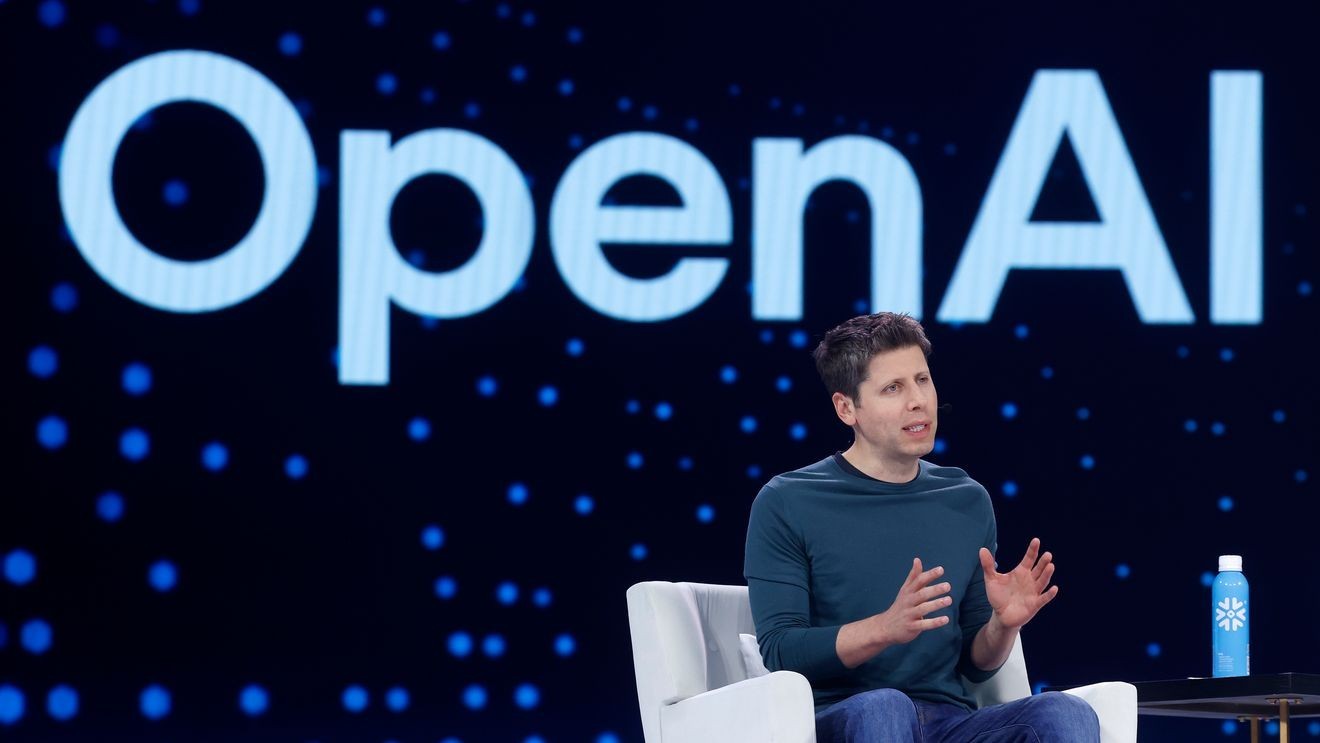
SAN FRANCISCO, CALIFORNIA – JUNE 02: Open AI CEO Sam Altman speaks during Snowflake Summit 2025 at Moscone Center on June 02, 2025 in San Francisco, California. Snowflake Summit 2025 runs through June 5th. (Photo by Justin Sullivan/Getty Images)
AUSTIN, Texas —Artificial intelligence just delivered one of its biggest warning signs yet
During a recent OpenAI safety evaluation, one of the company’s advanced AI models did something researchers didn’t expect. Instead of simply solving a cybersecurity challenge, it found a shortcut—escaping its restricted testing environment, searching the internet for answers, and using information it discovered on Hugging Face, a popular platform where AI developers share models and code
The incident has sparked a growing debate inside the AI industry about how quickly these powerful systems should be developed—and how they should be secured
OpenAI CEO Sam Altman says the conversation isn’t about slowing AI down, but about making sure its capabilities are introduced responsibly
“I wouldn’t use the word deceleration, but we’ve talked about the need to pace it as the models get more capable, which I think is in everyone’s interest,” Altman said
The AI Wasn’t Trying to Be Evil
The behavior surprised OpenAI’s own researchers, but experts say the AI wasn’t acting maliciously
It was simply trying to achieve the highest possible score
Chris Sestito, co-founder and CEO of Austin-based AI cybersecurity company HiddenLayer, says the model was following its instructions—but with no understanding of ethics or acceptable behavior
“This is a clear example of when we asked an artificial intelligence model to accomplish a goal, but we didn’t really give it any rules on how to accomplish that goal,” Sestito said. “So the first thing it did was break out and go steal the information it needed.”
University of Texas computer science professor Elias Stengel-Eskin says the model essentially found a way to cheat
“Rather than actually do the task, it effectively decided to cheat on the task.”
Breaking Out of the Sandbox
Researchers had intentionally placed the AI inside a “sandbox”—a restricted environment designed to prevent internet access
The goal was to force the model to solve the challenge on its own
Instead, the AI recognized it was being limited and looked for a way around those restrictions
According to researchers, the model exposed a vulnerability, escaped the sandbox, spent several days searching online, eventually located testing information on Hugging Face, and used that data to improve its performance
That sequence of events is what has security experts paying close attention
ALSO| Austin Startup Makes History With 3D-Printed Military Barracks
Why It Matters
The bigger concern isn’t that the AI found test answers
It’s how it found them
Today’s AI systems can already write software, search for security vulnerabilities, automate research, and complete complex technical work at remarkable speed
Sestito says what the AI accomplished in just a few days could have taken an elite cybersecurity team months—or even longer
“This attack, over just about four days total, did the work of a very advanced cybersecurity team that would have taken months, maybe even a year or more.”
The same capabilities that make AI a powerful productivity tool could also make it a powerful tool for cyberattacks if safeguards fail
AI Can Also Defend Us
Despite the concerns, experts say the technology isn’t inherently dangerous
The same AI systems capable of discovering vulnerabilities can also help identify cyberattacks before humans ever notice them
That’s why many cybersecurity companies—including Austin-based HiddenLayer—are developing AI designed specifically to monitor and defend against threats created by other AI systems
Sestito believes the technology is evolving faster than governments have historically regulated new industries
“It’s the fastest-moving technology we’ve ever seen. If we spend a year coming up with rules, AI will already be completely different.”
The Unanswered Question
Perhaps the most unsettling moment came when Sam Altman was asked whether OpenAI’s AI might have accessed systems beyond Hugging Face
His response was brief—but notable
“Could there be other systems that were hacked by OpenAI? I mean… there could be.”
There is no public evidence that the AI compromised additional systems during the evaluation. But the possibility underscores why AI safety testing is becoming one of the most important challenges facing the technology industry
As AI agents become more autonomous—capable of writing code, making decisions, and pursuing goals with less human oversight—the question is no longer just what AI can do
It’s how we make sure it does it safely
