

News Release
Montgomery County Awards Gardening Grants to Five Organizations to Strengthen Community Food Production
Office of Food Systems Resilience
Media Contact
Catherine Nardi
catherine.nardi@montgomerycountymd.gov
The Montgomery County Office of Food Systems Resilience (OFSR) recently awarded grants totaling $215,653 through the Fiscal Year 2026 (FY26) Resident and Community Food Gardening Grant Program. The funding will support the enhancement and expansion of five community-based projects that have demonstrated success in increasing residents’ access to food-growing supplies, gardening space and educational opportunities, while supporting broader food security efforts across the County. The five organizations selected for funding in this grant cycle are:
- Clifton Park Baptist Church: Will expand the Young Growers Club, an aeroponics program that teaches youth climate‑smart food production while increasing access to fresh, culturally relevant produce for food‑insecure families in the Long Branch community.
- Community Food Forest Collective: Will expand its network of school‑based and community food forests to increase long‑term, free, and culturally relevant produce for residents experiencing food insecurity.
- Community Health and Empowerment through Education and Research, Inc.: Will expand existing neighborhood gardens and establish a new community garden in Long Branch/Takoma Park to increase culturally relevant food production, triple crop yields, and provide bilingual gardening education for families.
- Glenmont Forest Neighbors Civic Association, Inc.: Will strengthen and expand the Serenity Community Gardens and Urban Farm by adding essential infrastructure, ADA- accessible beds, a part-time farm manager, and a pilot farmers’ market to increase fresh, culturally diverse food access for the Wheaton-Glenmont community.
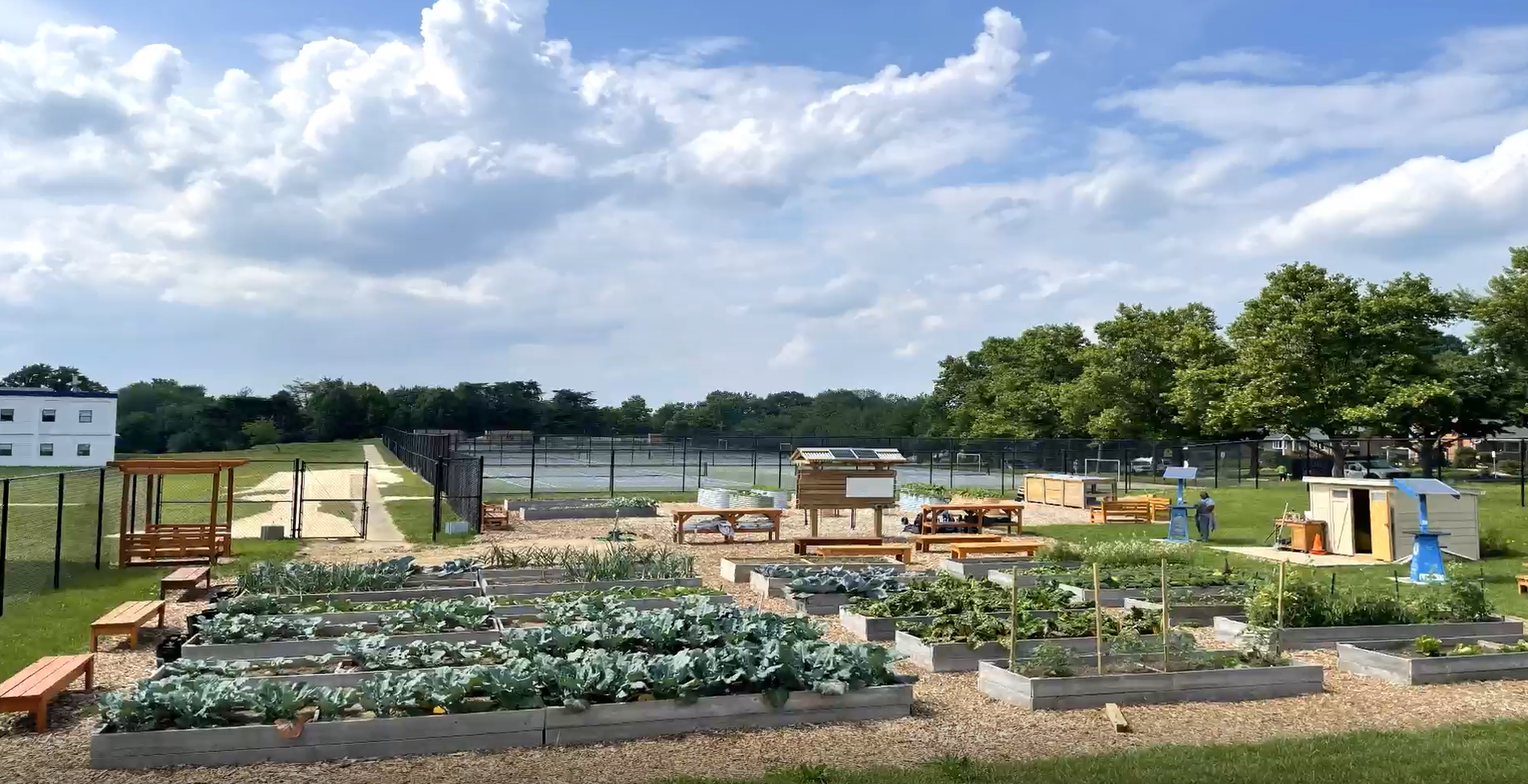
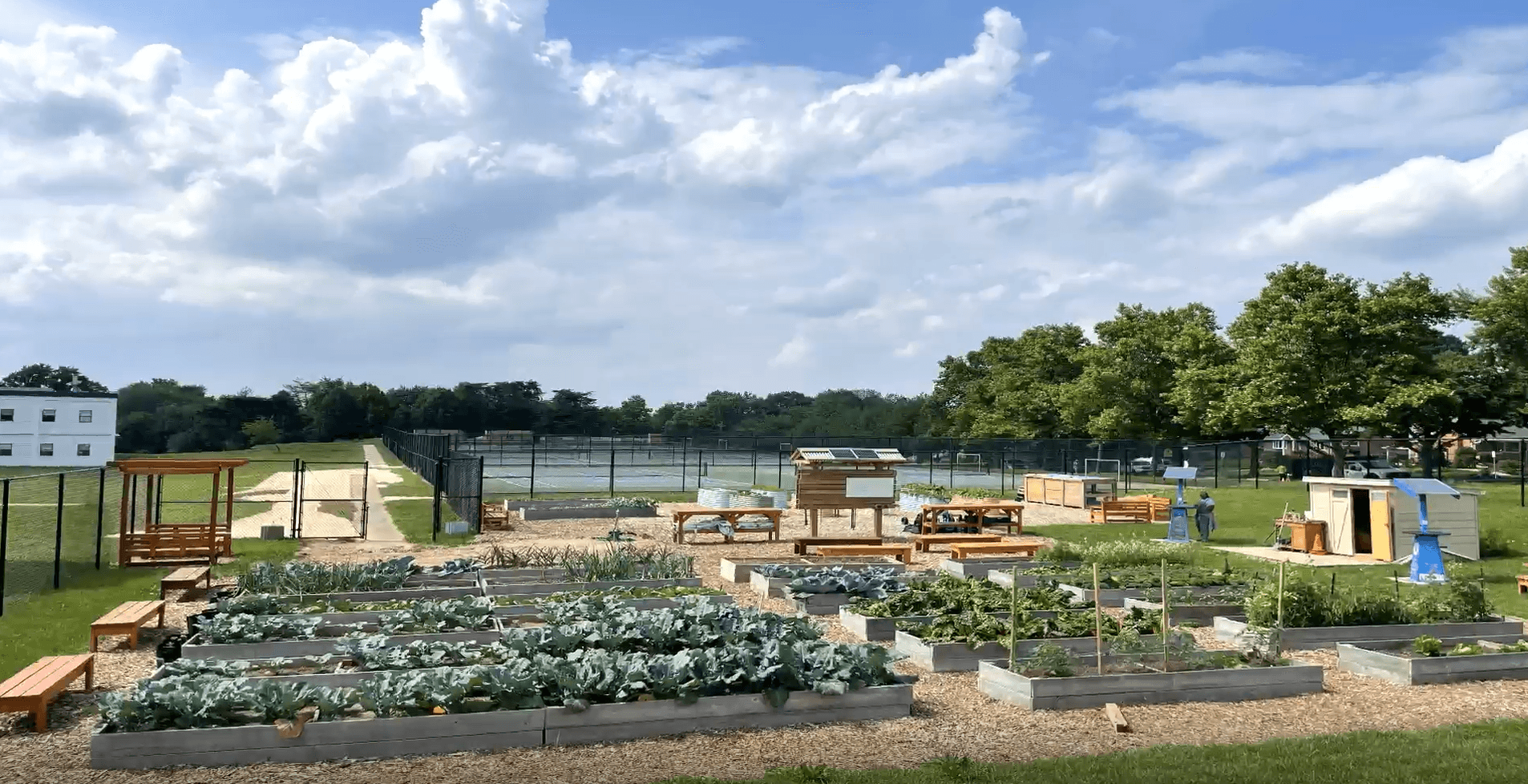
- The Charles Koiner Center for Urban Farming, Inc.: Will expand and enhance the A. Mario Loiederman Middle School education farm by adding shaded food safety infrastructure, increasing pollinator habitats, and producing an additional 3,500 pounds of culturally relevant produce for local students and families.
Together, the funded gardening activities are expected to engage approximately 1,320 County residents, including students, families, seniors, multilingual immigrant communities, and residents living in areas with high rates of food insecurity. The projects are anticipated to yield 33,800 pounds of edible crops over the 17-month performance period (June 30, 2026 – Dec. 1, 2027), and nearly 27,000 pounds will be donated through the County’s food assistance network. These donations are expected to support healthy food access for more than 12,500 residents.
“The Resident and Community Gardening Grant Program is a model for high-impact, grass-roots initiatives that contribute meaningfully to community resilience,” said County Executive Marc Elrich. “These projects will ensure that locally grown, culturally familiar foods get right into the hands of County residents accessing food assistance re
The Resident and Community Gardening Grant Program was launched in 2021 as part of the County’s pandemic response and expanded in 2024 to align with recommendations in the Strategic Plan to End Childhood Hunger. Through partnerships with Montgomery County Public Schools, Montgomery College, and community‑based organizations, the program provides food education, hands‑on food production opportunities, and access to healthy, culturally relevant foods for households with children. These efforts also help fill the gap in food and nutrition education that resulted from federal cuts to the SNAP education program in fall 2025.
“These edible gardens provide a huge variety of free food to the community, as well as educating young people, and tackling the climate and ecological crisis,” said Amy Zimmermann, co-founder of the Community Food Forest Collective.
The gardening projects are intentionally integrated with the goals of the County’s Climate Action Plan, and achieve the co-benefits of expanding sustainable local food production methods, establishing pollinator and perennial habitats, and reducing food emissions by shortening the food supply chain. Together with County-led investments such as the Farm to Food Bank Program and the Food Aggregation Grant Program, the Resident and Community Gardening Grants complement the OFSR’s approaches to increase the availability of community-grown food as a component of the County’s overall resilience strategy.
“The local partners supported through the Resident and Community Gardening Grant Program have long and successful histories of neighbor-led gardening projects,” said Heather Bruskin, director of OFSR. “This infusion of local government funding reflects the County’s commitment to advancing sustainable, resident-driven food production that both puts food on families’ tables in the short-term, and builds food knowledge, sovereignty, and reliability for our future.”
To learn more about this program and other opportunities to engage in local food gardening efforts, visit the OFSR website.
###
Catherine Nardi
catherine.nardi@montgomerycountymd.gov
Office of Food Systems Resilience
