

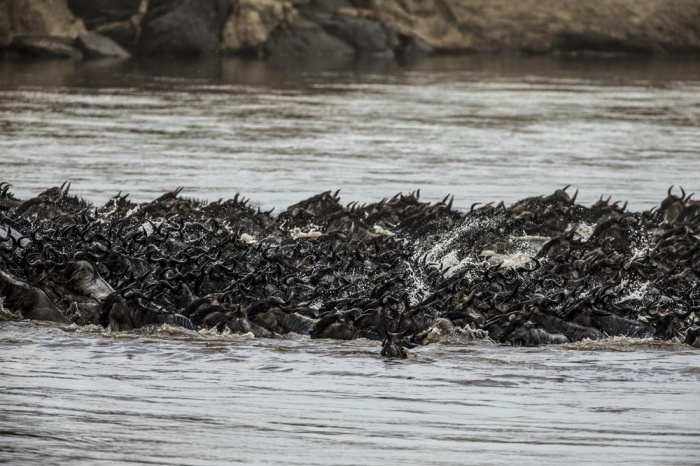
Safari Guru is encouraging travel advisors to take a more strategic approach to selling the Great Migration, positioning it not as a one-moment spectacle, but as a dynamic, year-round wildlife journey shaped by rainfall, grazing patterns, region and timing
According to the Australian-based African safari specialist, one of the biggest barriers to selling the Migration well is the persistent misconception that it is a fixed event defined only by dramatic river crossings. In reality, the Great Migration is a continuous movement through the wider Serengeti–Mara ecosystem, with different phases delivering very different guest experiences across Tanzania and Kenya
For the trade, this creates a significant opportunity: advisors who can explain the Migration properly are better placed to manage expectations, tailor itineraries more effectively, and ultimately deliver a higher-value safari product that feels both expert-led and deeply personalised
“The Great Migration is often oversimplified in the market,” says Deon De Villiers, founder of Safari Guru
“Clients tend to arrive with one iconic image in mind, usually a river crossing, but the real story is much richer than that. When advisors understand the seasonal movement and match the right region to the right traveller, the conversation becomes far more compelling.”
Safari Guru says the strongest way to sell the Migration is to begin with education
Rather than presenting it as a narrow-date event, advisors should explain that the Migration unfolds across the year and that the ‘best’ time depends entirely on what the client most wants to experience. For some, that may be the high drama of river crossings in Kenya’s Masai Mara. For others, it may be calving season on the southern Serengeti plains, where newborn wildebeest, predator interaction and sweeping herd movement create a different but equally powerful safari.
This distinction is critical from a sales perspective.
By broadening the story beyond river crossings, advisors can sell more varied East Africa departures, create stronger-fit itineraries, and reduce the risk of clients building unrealistic expectations around one unpredictable wildlife event.
“River crossings are thrilling, but they are never guaranteed,” says De Villiers. “That is why the best Migration safaris are sold around the full experience — season, ecosystem, wildlife density, guiding quality and camp positioning — not around one promised moment.”
Safari Guru identifies several key selling points for advisors looking to improve conversion and client satisfaction around Migration itineraries:
Sell the Migration as a moving ecosystem, not a fixed show
Clients respond well when they understand that the Migration is a living wildlife cycle rather than a staged event. This immediately creates room for a more expert and tailored sales conversation.
Use Tanzania and Kenya differently
Safari Guru notes that Tanzania often offers the fuller Migration story across multiple phases, while Kenya’s Masai Mara is especially strong for iconic dry-season drama and river-crossing appeal. Positioning each destination correctly helps advisors align product with client priorities.
Highlight calving season as an underrated premium product
Calving season remains one of the most compelling and often under-sold phases of the Migration. For experienced wildlife travellers in particular, it can be every bit as rewarding as the better-known river-crossing period.
Emphasise camp location and guiding as major value drivers
A Migration safari is heavily dependent on positioning. Being in the right area at the right time is often more important than selecting a generic luxury camp. Advisors who understand this are more likely to deliver meaningful wildlife outcomes for clients.
Encourage appropriate pacing
Safari Guru recommends selling Migration safaris with enough time to breathe, whether through longer stays in one region or a combination of areas. Rushed itineraries can weaken the experience and reduce the emotional impact of one of Africa’s greatest wildlife spectacles.
The company says this approach is particularly relevant for premium travellers, first-time East Africa clients, repeat safari guests and anyone considering combining the Migration with Zanzibar, the Kenyan coast or another regional extension.
For advisors, the Migration also presents an opportunity to move the sales conversation beyond a checklist mentality and towards itinerary design. Rather than simply asking when to go, clients can be guided through what kind of Migration experience they want, how they like to travel, and what style of camp, pacing and destination mix will suit them best.
“In trade terms, the Great Migration is one of the most powerful safari stories you can sell, but only when it is sold properly,” says De Villiers
“It is not about chasing one photograph. It is about designing an East African journey that gives clients the best possible chance of experiencing this extraordinary phenomenon in a way that feels seamless, well-paced and memorable.”
As demand continues for high-impact wildlife travel and bespoke African journeys, Safari Guru believes travel advisors have a strong opportunity to differentiate themselves by selling the Great Migration with more depth, realism and expertise
Safari Guru creates tailor-made East African safari itineraries designed around seasonality, camp location, travel style and the kind of wildlife encounters clients most want to experience
