

Currensea, the market-leading payments technology platform for co-branded debit cards, today publishes The Reinvention of Loyalty, a new whitepaper examining how changing technology and consumer behaviour are reshaping loyalty in Europe
The whitepaper comes as pressure on household budgets has intensified competition for discretionary spending, making loyalty programmes more important to airlines and hotel groups. They are also becoming significant profit engines for brands in their own right: in June, British Airways owner IAG set an ambitious target for its loyalty division operating Avios, aiming to almost double operating profit to €1 billion within five years
But Europe’s loyalty market remains underpenetrated, the report finds. Currensea polling found that 26% of Britons with household incomes above £150,000 who flew at least five times last year are not members of an airline loyalty scheme, while 29% are not members of a hotel programme. That leaves airlines and hotels without a loyalty relationship with a sizeable group of high-value travellers. The Reinvention of Loyalty finds that the traditional credit-led co-branded payments card model established in the US does not translate neatly to Europe, where debit accounts for 77% of all consumer card spending, rising to 85% in the UK.
The report also warns that agentic AI will change how consumers search for and book travel. As AI agents begin comparing prices, points and redemption options on customers’ behalf, programmes that rely on habit, friction or intermediary point schemes will become more exposed. Those offering meaningful benefits, status and a stronger connection to the brand are likely to prove more resilient
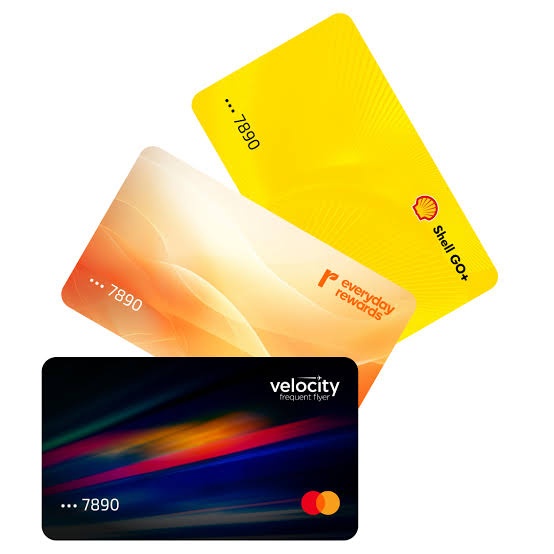
The whitepaper argues that co-branded rewards debit cards can address both challenges by fitting loyalty around the way Europeans already spend. Hilton Hotels, United Airlines and Marriott Bonvoy have all launched loyalty debit cards with Currensea, whose data points to high utilisation rates. The highest-spending quartile of cardholders spends an average of over £36,700 a year. More than half of all cardholder spending is on lodging, dining, travel and leisure – showing the cards sit top-of-wallet for discretionary spending – while 17% of spending goes directly to the partner brand. More than 75% have used their card abroad, spending across an average of four foreign countries.
The model is gaining traction, with IHG and Revolut also recently announcing a reward-earning single-bank debit card. But moving from credit to debit is only part of the answer. Currensea polling also found that just 5% of Britons use a secondary bank account for daily spending, underlining the importance of multi-bank cards that integrate with customers’ existing bank accounts to maximise utilisation
James Lynn, Co-Founder and CEO of Currensea, said: “It’s the combination of switching the co-brand model to debit, and delivering it from customers’ existing bank accounts, that has changed the game for brands’ loyalty programmes in Europe. This model is also well positioned to remain resilient as AI reshapes the customer journey. As agentic AI begins to automate consumer decisions and bypass traditional brand interfaces, the battle for loyalty is moving from the screen to the transaction layer. The stickiness from co-branded cards that provide genuine loyalty benefits will become an increasingly important route for lasting loyalty, in a world where spending decisions become more transactional and intermediated by AI.”
The report follows Currensea’s recent expansion into continental Europe. Currensea was also recently named the UK’s second fastest-growing fintech in the Financial Times’ annual FT1000 ranking of high-growth European businesses
Download the whitepaper here: https://www.currensea.com/news/white-paper
