

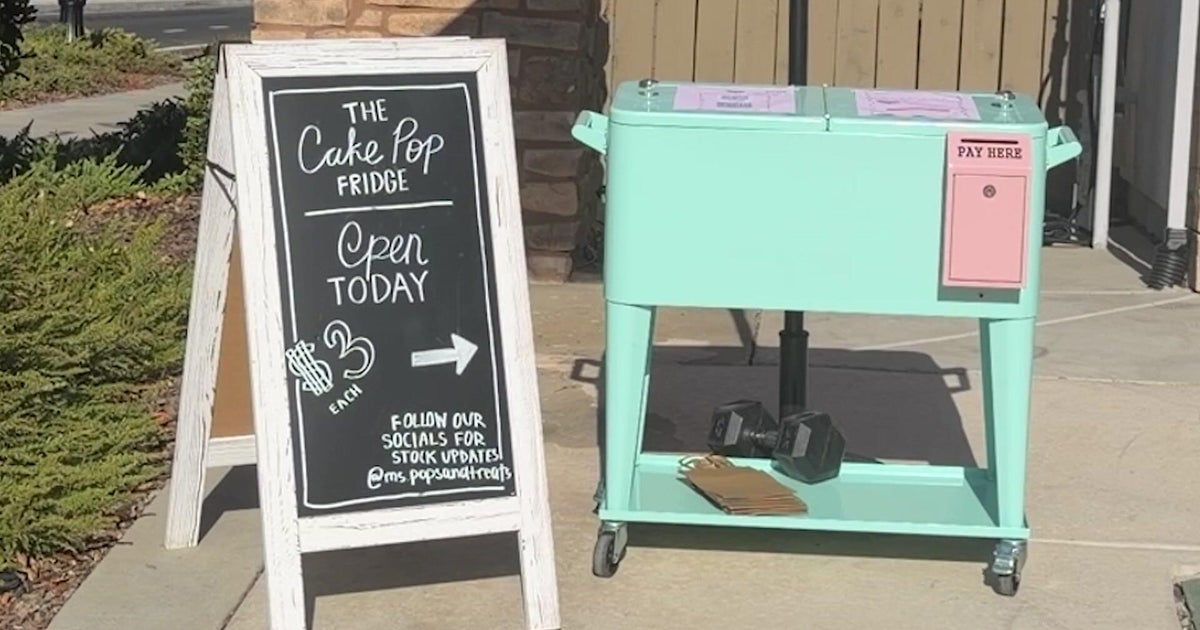
As the cost of opening traditional brick-and-mortar businesses continues to climb, more Northern California food entrepreneurs are rethinking how they do business, from building home-based operations to working out of shared commercial kitchens
In Placer County alone, officials say cottage food permits are up nearly 50% compared to two years ago
Behind the growing permit numbers are entrepreneurs like Maria Bychkoome offered her an affordable way to turn her hobby into a business.
“I was eight months pregnant and I was sitting at home. I was super bored and I told my husband I need to do something as a hobby. I love baking, so I might as well put it out for the community,” Bychko
Today, customers regularly stop by her home for freshly made cake pops. She also documents her business on social media to keep customers updated
“I always like to do a setup video in the morning to show people what flavors I have, then at night I do a takedown video and I tell people how much money I made,” she said
The transparency has helped grow her customer base
“I’ve had days that I made over $1,000 from this cart itself, so it’s been very encouraging,” Bychko
Bychkopop-ups and cake pop carts, home-based food businesses are popping up across Placer County
“Overall, we’ve been seeing an increase in cottage food permits from Class A and Class B to food carts and food trucks over the last few years,” said Mike Dipietro, Placer County’s supervising registered environmental health specialist
For many aspiring business owners, the reason is simple: the cost of opening a traditional brick-and-mortar continues to climb. According to restaurantowner.com, costs range anywhere from $175,000 to $750,000, depending on the size, location, and concept.
Those rising expenses led Patricia Alanis, owner of the catering company The Sprig, to operate out of 24 Hour Kitchens, a shared commercial kitchen in Fair Oaks
“The cost of it just alone, the buildings, the rent … the permits, locations, products, staffing, everything altogether, it’s a tough industry to be in,” Alanis said
Jeff Back, owner of 24 Hour Kitchens as well as the restaurant Back Bistro, says that every day he meets with a new business looking to rent a kitchen space
“I’ve been in the restaurant industry for 30 years, and it is getting more and more and more difficult. The costs are going way up, and you just can’t raise your rates. We have a lot of chefs who are coming to us and starting their own catering companies because of all these restaurants going under. This is way more affordable for these start-ups,” Back said.
Officials expect cottage food licenses and similar permits to continue growing in the coming years. Meanwhile, entrepreneurs encourage one another to “ask for help” navigating the industry
“Ask other vendors for advice and recommendations. That just makes the path a lot easier,” Alanis said
