

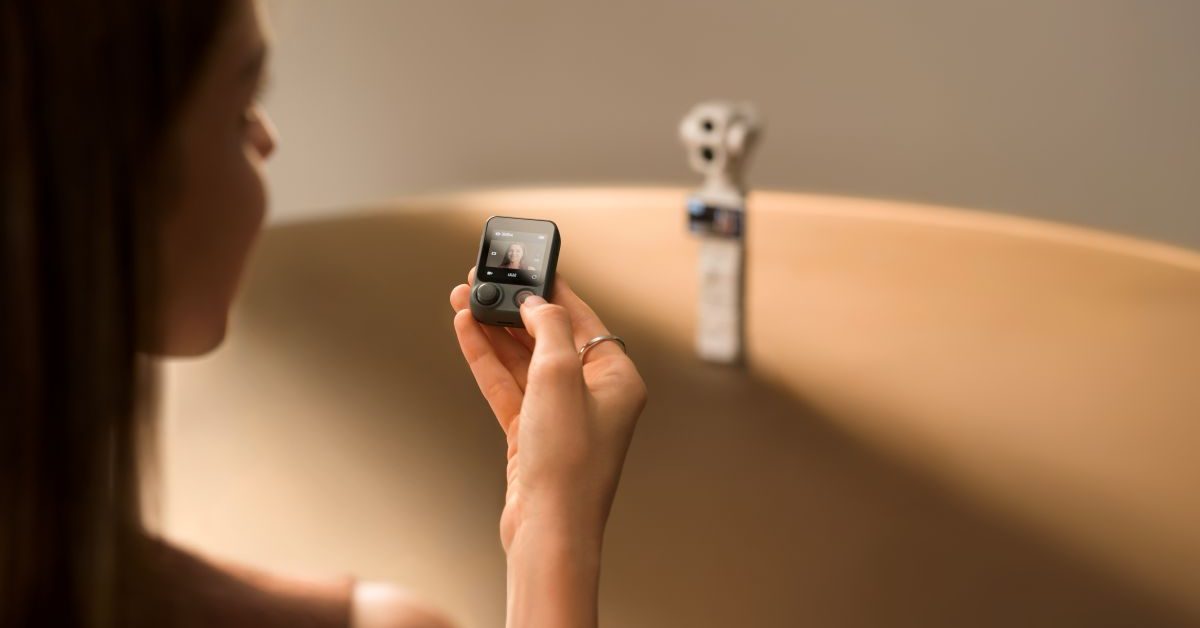
DJI’s Osmo Pocket 4P is finally rolling out globally after debuting in China and other Asian markets, but the camera’s biggest talking point may not be its dual-lens setup or cinema-grade image quality. Instead, it’s a tiny new wireless accessory called FrameTap that could make filming yourself dramatically easier
The dual-lens gimbal camera first launched in China in June before gradually rolling out across several Asian markets over the past few weeks, giving enthusiasts plenty of time to pore over specs, sample footage, and early reviews. The global rollout still doesn’t include an official US launch. But that isn’t entirely surprising, given DJI hasn’t officially introduced a new consumer product in the US since the FCC Covered List restrictions
Even so, American buyers aren’t completely out of luck. The standard Osmo Pocket 4 is already available on Amazon through third-party resellers, suggesting the same could eventually happen with the Pocket 4P. In other words, if history is any indication, determined US buyers will likely find a way. And once they do, one accessory may end up generating almost as much excitement as the camera itself
We’re talking about the Osmo FrameTap, a compact wireless viewfinder and remote controller that could fundamentally change how solo creators shoot
Instead of constantly walking back to the camera after setting up a shot, FrameTap lets users preview the live image, remotely control the three-axis gimbal, switch shooting modes, and even tap on the screen to choose a tracking subject. Want the camera to follow you as you walk through a city or cook in the kitchen? Double-tap your subject on the remote, and ActiveTrack takes over
It’s the kind of accessory that sounds minor on paper but could dramatically improve everyday filming. Whether you’re recording travel vlogs, cooking videos, fitness sessions, or simply trying to appear in your own family vacation footage, having a wireless monitor in your hand removes much of the guesswork that comes with filming yourself
For creators who regularly work alone, FrameTap might actually become the reason to choose the 4P over the standard Pocket 4
A dual-lens setup aimed at serious creators
The headline upgrade, of course, is the camera itself. Unlike previous Pocket cameras, the 4P combines two built-in lenses: a new 1-inch wide-angle camera for everyday shooting and a dedicated 60mm telephoto lens designed specifically for portraits
The primary camera uses a brand-new 1-inch CMOS sensor capable of capturing up to 17 stops of dynamic range — territory usually associated with much larger professional cinema cameras. DJI also says it supports 4K video at up to 240 fps for dramatic slow-motion footage and introduces a new 10-bit D-Log 2 color profile capable of recording more than one billion colors for advanced color grading
Meanwhile, the new telephoto lens brings something rarely seen in pocket-sized cameras: natural-looking portraits. Its 3x optical zoom, expandable to 12x, combined with an f/1.8 aperture, produces much stronger background separation than smartphone cameras can typically achieve
Together, the two lenses let users switch seamlessly between sweeping landscapes and cinematic close-ups without changing equipment
Smarter shooting in a tiny package
DJI is also leaning heavily into intelligent shooting features. The upgraded ActiveTrack 8.0 can now follow people, pets, vehicles, and other moving subjects, even while zoomed in, keeping them centered automatically. Gesture controls let users start recording with a simple “V” sign or activate tracking by raising an open palm
Other additions include 37MP still photos, Live Photos that automatically record short 4K video clips alongside images, USB 3.1 transfer speeds up to 800 MB/s, and charging that takes the battery from empty to 80% in just 18 minutes. DJI says a full charge provides up to 210 minutes of recording
All of that is packed inside a body weighing just 230 grams, stabilized by DJI’s mechanical three-axis gimbal technology — the same stabilization expertise that helped establish the company’s Ronin lineup in professional filmmaking
The DJI camera that helped spark a patent war
The Pocket 4P is also arriving with more legal baggage than most camera launches
Its release came during an escalating patent dispute between DJI and rival Insta360. After both companies withdrew their lawsuits in the United States, they quickly reopened the fight in China, accusing each other of patent infringement. The Pocket 4P — and Insta360’s competing dual-lens gimbal camera Luna Ultra — have effectively become the two flagship products sitting at the center of that increasingly high-profile rivalry
Neither company appears likely to slow product launches while the legal battle plays out, but it underscores just how competitive the pocket gimbal camera category has become — one that DJI itself created more than a decade ago with the original Osmo
For now, however, the standard Osmo Pocket 4 will likely remain the sweet spot for US buyers. It delivers the same ultra-portable form factor, mechanical 3-axis stabilization, quick vertical shooting, intelligent tracking features, and easy one-person operation at a lower price. The 4P is clearly aimed at creators who want the flexibility of a second telephoto lens and cinema-grade color workflows, but the standard model already covers the needs of most travel vloggers, family storytellers, and social media creators.
More:The DJI drone you’ll actually bring everywhere


You’re reading DroneDJ — experts who break news about DJI and the wider drone ecosystem, day after day. Be sure to check out our homepage for all the latest news, and follow DroneDJ on Twitter, Facebook, and LinkedIn to stay in the loop. Don’t know where to start? Check out our exclusive stories, reviews, how-tos, and subscribe to our YouTube channel.
