

What you need to know about the health impacts of fast fashion & toxic knockoffs
Published: July 27, 2026 at 10:19 AM
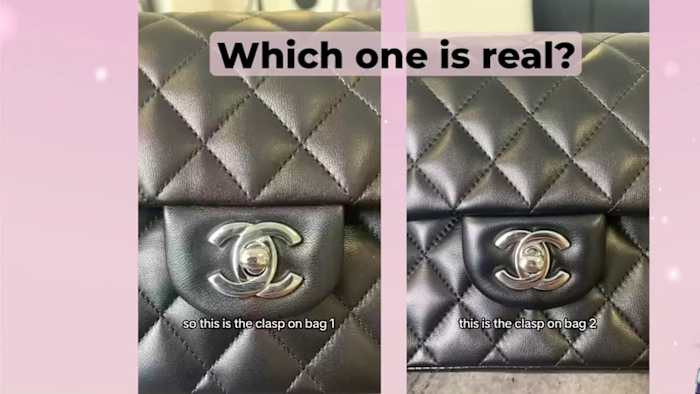
They look like luxury. They cost a fraction of the price. A $5,000 handbag look for $50 bucks? For some shoppers, that’s the thrill
And on social media, knockoff culture is having a moment, but the counterfeit market is no small side hustle
Fast fashion is now a global industry worth well over a hundred billion dollars
The OECD estimates fake goods make up more than $460 billion in global trade, and clothing, shoes, handbags, and luxury accessories top the list
Consumer watchdogs have also raised concerns about fake cosmetics, electronics, and even children’s products, where there may be little or no safety oversight
U.S. officials say most counterfeit goods seized at the border come from China and Hong Kong. Now, concerns are growing that some of these bargains may carry something else: Chemicals you didn’t pay for
Some investigations and government testing have raised concerns that some low-cost and counterfeit products may contain hazardous chemicals, including:
- Lead, which can damage the brain and nervous system
- Cadmium, a toxic metal linked to kidney damage
- PFAS, so-called “forever chemicals” that can build up in the body over time
And it’s not just handbags. Fast fashion has come under scrutiny too
Some products have been flagged for elevated levels of chemicals used to make clothing wrinkle-resistant, water-repellent, or cheaper to produce
Counterfeit goods don’t just skip the brand name; they can skip product testing, safety oversight, and quality controls, too
Experts say a few red flags to watch for: Strong chemical odors, no clear labeling, no manufacturer information, or prices that seem way too good to be true
So, before you click “buy now” ask “Who made it?” “Where was it tested?” and “Why is it so cheap?” Because the real price of a bargain may not show up on your credit card bill
Copyright 2026 by Ivanhoe Newswire – All rights reserved
