

Is creatine bad for kidneys? Experts bust 6 common sports nutrition myths | Health News – The Indian Express
skip to content
Is creatine bad for kidneys? Experts bust 6 common sports nutrition myths
Supplements are not miracle shortcuts. Doctors and dietitians break down the truth behind creatine safety, caffeine-free pre-workouts, and natural health labels
By:Lifestyle Desk
New DelhiJul 26, 2026 04:01 PM IST
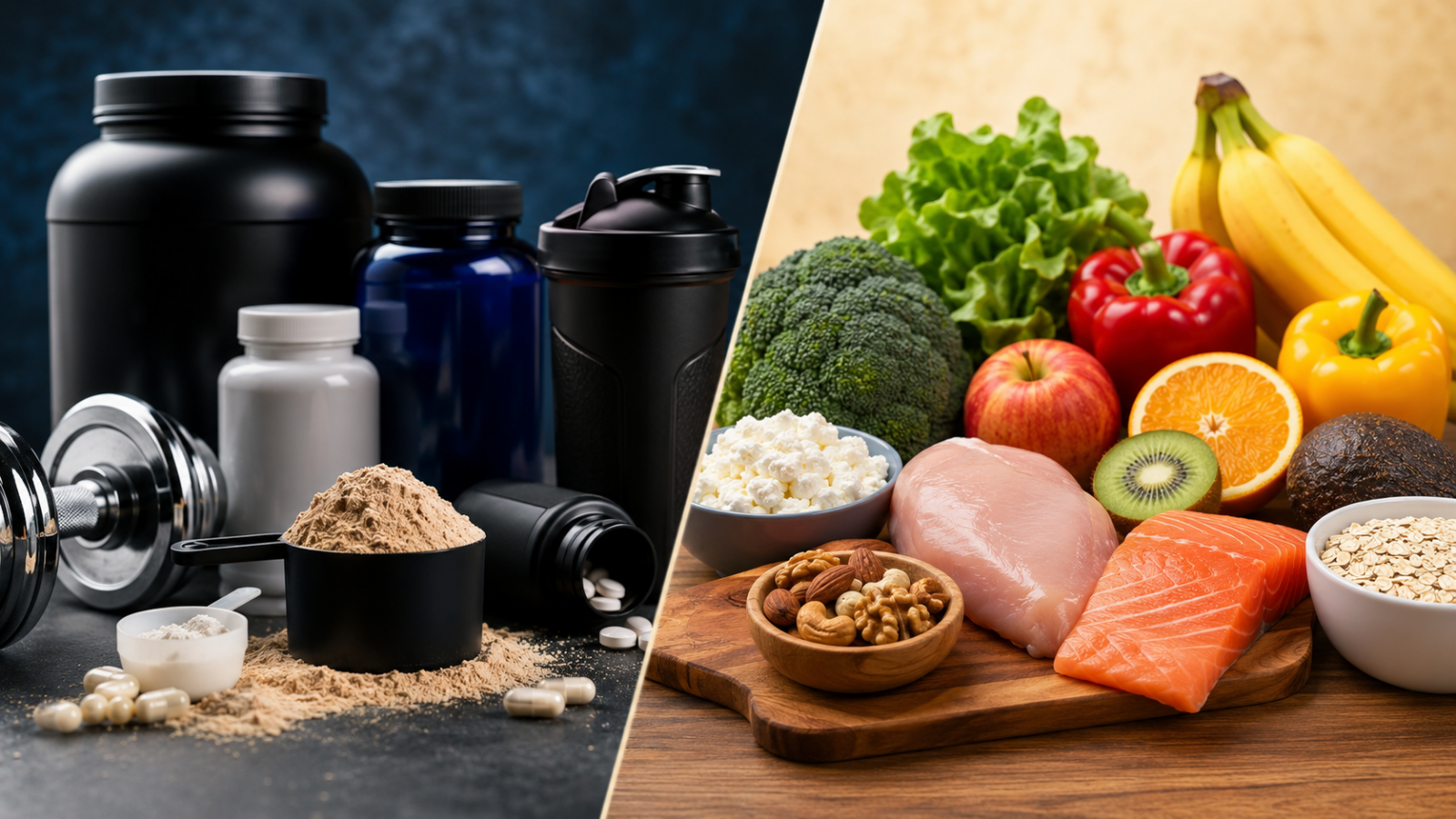
Biggest sports nutrition myths (Ai generated image)
Whether you’re trying to build muscle, lose weight or improve your athletic performance, you’ve probably heard plenty of advice about protein powders, creatine and pre-workout supplements. But how much of it is actually true?
Curious, we reached out to Vishnu Menon, founder of Iron Asylum, a prominent health and fitness marketer, looking for some of the most common sports nutrition myths and had medical experts weigh in on the science behind each one. Here’s everything you need to know
DISCLAIMER: This article is based on information from the public domain and/or the experts we spoke to. Always consult your health practitioner before starting any routine
Myth 1: Supplements can replace a healthy diet
According to Menon, supplements are meant to do exactly what their name suggests—supplement a healthy diet, not replace it. Protein powders, pre-workouts and multivitamins cannot make up for poor nutrition, inadequate sleep or an inconsistent workout routine. Instead, they are designed to “help fill nutritional gaps and support specific fitness goals.”
Medical literature also supports that supplements work best alongside a balanced diet, regular exercise, adequate sleep and hydration. They should be viewed as supportive tools rather than substitutes for healthy lifestyle habits

Protein powders cannot compensate for poor nutrition, lack of sleep and irregular workout routine (Image: Freepik)
Myth 2: The more protein you eat, the bigger your muscles
“One definitely requires protein so that muscles could recover and rebuild themselves after the workout session, but the intake of lots of it does not necessarily mean the massive gains,” Menon tells indianexpress.com
He points out that our body has a limit to how much protein it can effectively use for muscle building, making it more important to meet your daily requirement than to consume as much protein as possible
Story continues below this ad
Vandana Rajput, Consultant, Dietetics, Kailash Hospital & Neuro Institute agrees. “Protein plays a vital role in muscle repair, recovery, and athletic performance, but more is not always better.”
She further explains that protein requirements vary depending on age, body weight, activity level and training goals. Meeting your daily protein requirement through balanced intake spread across the day is more beneficial than consuming excessive amounts
Myth 3: Creatine is harmful to the kidneys
“This might have to be the oldest sports nutrition myth of al,” says Menon while stating that decades of scientific research have shown that creatine is “possibly the safest and most studied sports supplements” for healthy individuals. When taken in recommended amounts, he says it has not been shown to harm the kidneys and may also help improve strength, power and recovery
We verified this with Dr Aseem Thamba, Consultant Nephrologist and Kidney Transplant Physician, Zen Multi-speciality Hospital, Chembur, who confirmed that this statement is accurate for healthy individuals. However, people with existing kidney disease or reduced kidney function should always consult their doctor before taking creatine or any other supplement
Story continues below this ad
Myth 4: All pre-workouts are just caffeine
Healthy non-caffeinated pre-workout meals: fruit-nuts, smoothies, Greek yogurt, oats, whole-grain toast-nut butter (Ai-generated)
Many people assume pre-workout supplements are nothing more than caffeine, but Menon says a well-formulated pre-workout may also contain ingredients such as “citrulline, beta-alanine, electrolytes, tyrosine and taurine”, which are intended to support endurance, hydration, blood flow, focus and overall workout performance. He adds that a good pre-workout should help improve training quality without making users feel excessively jittery or causing a crash afterwards
However, supplements aren’t the only option before a workout. Rajput says, “A pre-workout meal or snack should provide sustained energy without necessarily relying on caffeine.”
She recommends options such as a fruit with a handful of nuts, fruit smoothies with mixed seeds, a banana with peanut butter, Greek yogurt with fruit, oats with milk, whole-grain toast with nut butter or a yogurt-and-fruit smoothie
“These foods provide a balanced combination of carbohydrates and protein to support energy levels, endurance, and post-workout recovery.”
Story continues below this ad
Myth 5: Natural always means safer
The word “natural” often creates the impression that a product is automatically safe, but Menon says that isn’t always true. According to him, an ingredient’s safety depends on the ingredient itself, how much is consumed, how it is used and the scientific evidence supporting it—not simply whether it comes from nature or a laboratory
He also advises consumers to choose brands that are transparent about their ingredients and testing rather than relying on marketing claims
Rajput echoes this view. “The term ‘natural’ should not be considered a guarantee of safety or effectiveness.”
She explains that while many natural foods and ingredients can be beneficial, some natural supplements may not be suitable for everyone and their quality or composition can vary. It is important to choose products from trusted manufacturers and consult a qualified healthcare professional before adding any supplement to your routine, especially if you have an underlying medical condition or take regular medications
Story continues below this ad
Myth 6: All supplements are created equal
Don’t judge a supplement by its packaging—check the ingredients, transparency and quality testing (Image: Freepik)
Two supplement products may look almost identical on the shelf, but Menon says their quality can differ significantly. Factors such as ingredient quality, dosage, sourcing and product testing can vary widely, so consumers should look beyond attractive packaging and carefully read ingredient labels
The nutritionists agree and stress that a better supplement contains evidence-based ingredients in appropriate amounts. Rather than being influenced by packaging or advertising claims, consumers should prioritise quality, scientific evidence and their own requirements
As Menon points out, supplements are not miracle solutions or shortcuts to fitness. Experts agree they work best when combined with a balanced diet, a structured training routine, adequate rest and consistency. Making informed, science-backed choices—not following social media myths—is the best way to support long-term health and performance
DISCLAIMER: This article is based on information from the public domain and/or the experts we spoke to. Always consult your health practitioner before starting any routine
© IE Online Media Services Pvt Ltd
📣 For more lifestyle news, click here to join our WhatsApp Channel and also follow us on Instagram
- Tags:
- India Sports
- protein
- workout
Advertisement
Loading Recommendations…
Advertisement
Live Blog
- India vs Zimbabwe Live Score, 3rd T20I: Toss and playing XI coming up from Harare50 seconds ago
- Commonwealth Games Day 4 Live: Rishikanta Singh breaks CWG snatch record16 minutes ago
- Jana Nayagan Box Office Collection Day 3 Update: Vijay film crosses Rs 100 cr net in India, eyes Rs 200 cr mark worldwide21 minutes ago
- Jantar Mantar Protest Live Updates: Pralhad Joshi takes charge as Union Education Minister54 minutes ago
- Jantar Mantar Protest Live Updates: CJP calls off protests ‘in good faith’ after talks with Centre18 hours ago
