

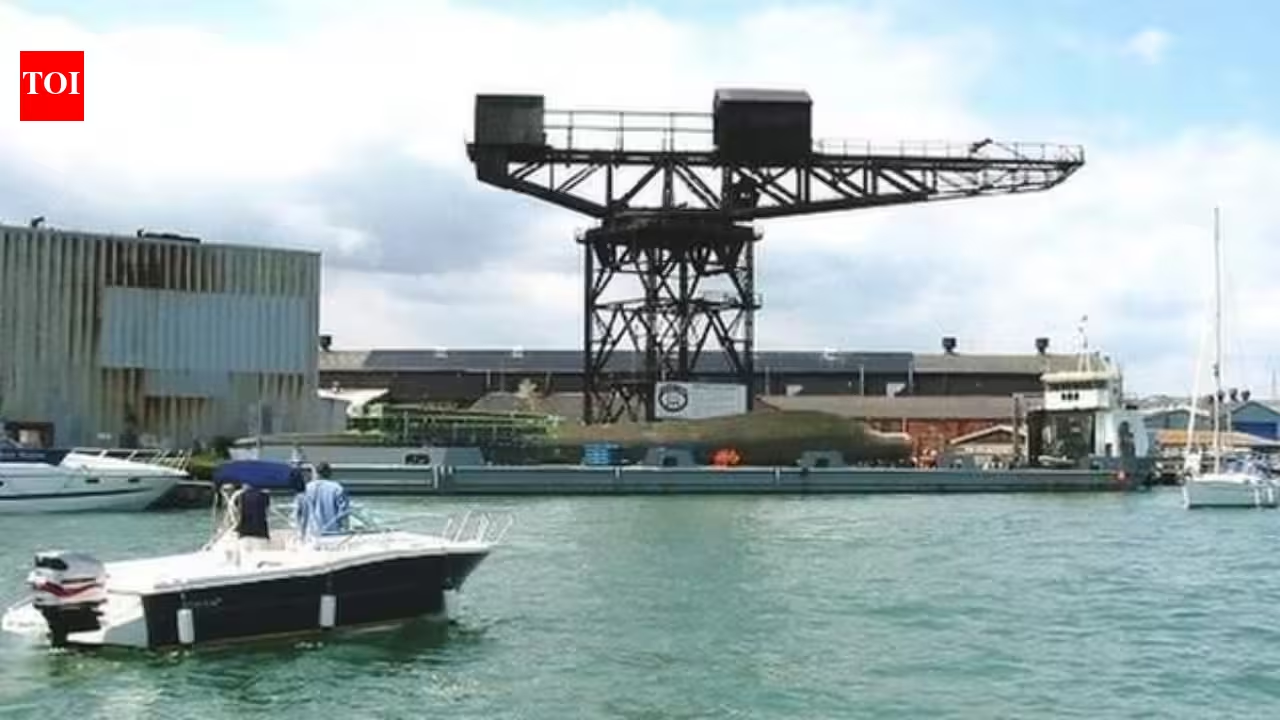
England’s historic Hammerhead Crane in Cowes, Isle of Wight, faced the risk of collapse because of severe corrosion before emergency stabilisation works secured the Grade II* listed structure. After years of legal proceedings and appeals, the Isle of Wight Council recovered £358,000 from the site’s former owners to cover the repair costs. According to the council’s announcement on 15 June 2026, £348,000 was returned to Historic England after the authority reimbursed its own officer costs. Built in the early 1900s, the 80-tonne crane is the only surviving pre-First World War hammerhead crane of its kind in England.
Cowes’ historic Hammerhead Crane faced collapse from severe corrosion
The 150-foot Hammerhead Crane dominates the waterfront skyline in Cowes and reflects the Isle of Wight’s shipbuilding heritage. According to the Isle of Wight Council, severe corrosion left the landmark at risk of collapse, prompting the authority to issue Urgent Works Notices in 2014 and again in 2016. The council said it intervened after the site’s owners failed to take the necessary action to protect the structure. As a Grade II* listed industrial monument, the crane required urgent work to preserve its historic fabric and prevent further deterioration. The council ultimately arranged the stabilisation works itself, using contractors based on the island.
Emergency repairs stabilised the 80-tonne listed crane
The council carried out emergency repairs to key components of the crane, including its tower, jib and ballast box. Historic England provided funding for the work, which was intended to stabilise the structure and reduce the risk of collapse. The crane weighs 80 tonnes and was built in the early 1900s, making it a surviving example of the heavy engineering infrastructure associated with Britain’s shipbuilding industry. During both world wars, it played a role in Cowes’ shipbuilding operations by lifting heavy boilers and engines into naval vessels. Its survival preserves a physical link to the town’s industrial and maritime history, while the repairs addressed the structural deterioration that threatened the landmark.
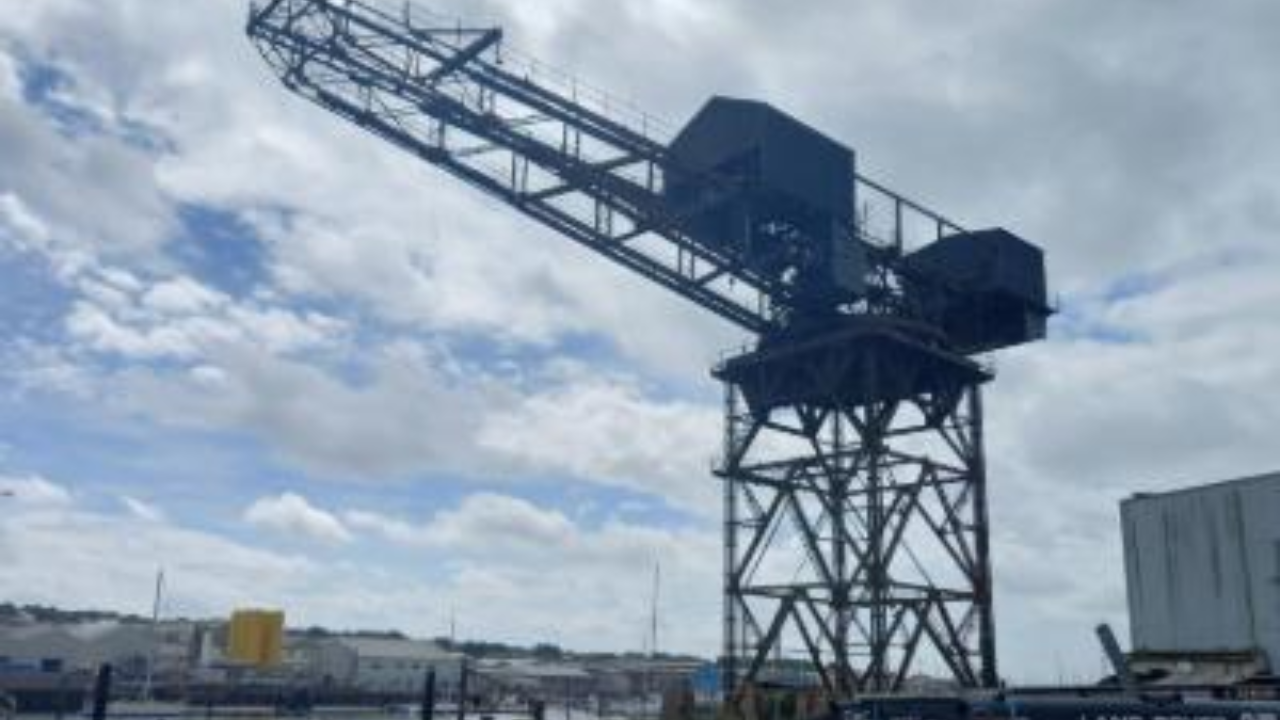
The landmark 150ft structure, which dominates the Cowes skyline, was at risk of collapse due to severe corrosion (Image: The Isle of Wight Council)
Isle of Wight Council recovers £358,000 after legal appeals
After a series of appeals, the council secured a ruling in 2025 confirming that the former owners of the land were responsible for the emergency repair costs. The authority subsequently recovered £358,000, according to its announcement published on 15 June 2026. After accounting for its officers’ costs, the council returned £348,000 to Historic England. The outcome meant that taxpayers were not left to bear the full cost of the emergency intervention. Lee Byrne, the council’s conservation projects officer, said the authority had been determined to save the landmark and ensure that the financial responsibility rested with the owners. Historic England regional director Tom Foxall also welcomed the reimbursement, saying the returned funds would support other heritage sites at risk through its grant programme.