

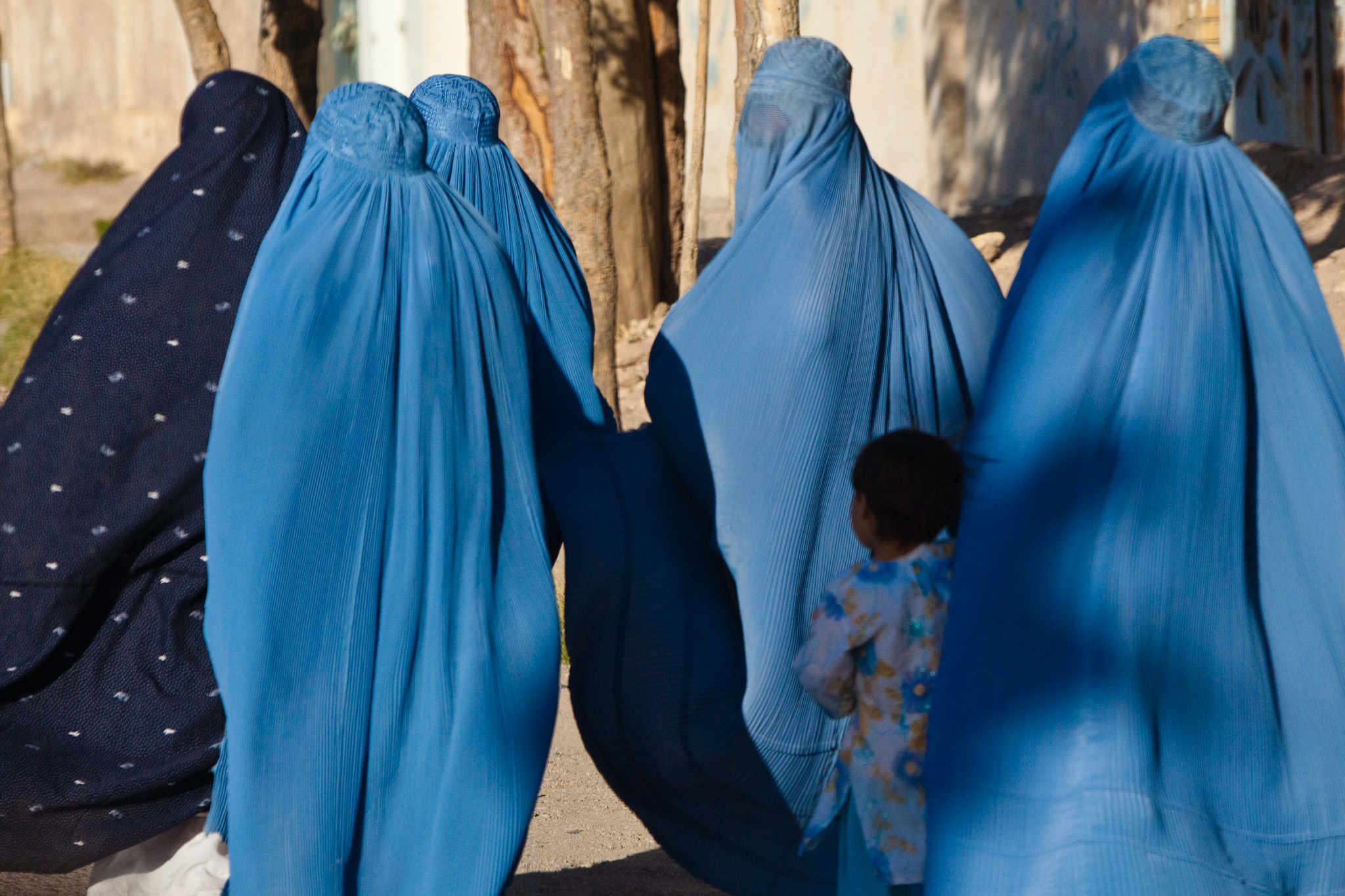
NewsArnesen, CC BY-SA 2.0, via Wikimedia Commons
Human Rights Watch on Friday warned of the deteriorating economic state in Afghanistan. Millions of citizens are at risk of suffering from severe hunger due to a sharp decline in international aid and restrictive Taliban policies that target women and hinder humanitarian access
Statistics from the United Nations warn that 46 percent of Afghanistan’s citizens will require humanitarian assistance in 2026. Over 17 million citizens out of a population of over 44 million are projected to experience food insecurity
In April 2026, only 20 percent of Afghanistan’s households were receiving an adequate amount of household food without assistance. As a result, Humanitarian organizations are relied upon. Funding shortfalls threaten the impact of humanitarian response. Reductions in foreign aid from the United States, which formerly funded up to 40 percent of Afghanistan’s Humanitarian aid, as well as reductions from the United Kingdom and other global donors, leave a jarring gap
Humanitarian organizations continue to be strained due to a high volume of need and limited resources. Throughout the country, millions of individuals are struggling with food insecurity, economic hardship, climate shocks, displacement, and individual protection risks. The funding for humanitarian responses is far below what is required to properly meet these needs. As of the end of May, the 2026 Humanitarian Needs and Response Plan had received just US$269 million against a requirement of US$1.71 billion. This leaves a funding gap of US$1.44 billion, marking a $110 million decrease compared with funding received at the same time in 2025, despite ongoing and growing needs across the country. Consequently, humanitarian groups are forced to reduce programming in order to triage with limited resources, leaving citizens needing additional support.
Worsening the crisis, the Taliban’s policies create restrictions on women working within international aid organizations and the UN. Local Taliban customs have prohibited male aid workers from interacting with women beneficiaries and severely restrict women’s participation in public life due to strict gender segregation (mahram rules). Interacting with men who they are not related or married to is only permitted in circumstances where they have a male guardian accompanying them. By limiting the involvement of women in international aid, the organizations have a harder time reaching individuals, particularly those in women-led households.
The humanitarian crisis in Afghanistan has also been compounded by the massive migration crisis with neighbouring countries such as Iran and Pakistan deporting millions of undocumented Afghans, with statistics illustrating that almost 6 million individuals have returned since late 2023
Aid agencies have warned that “without immediate support, millions risk being left without assistance.” The agencies call on donor governments to urgently provide support and call on the Taliban to reduce gendered limitations
