

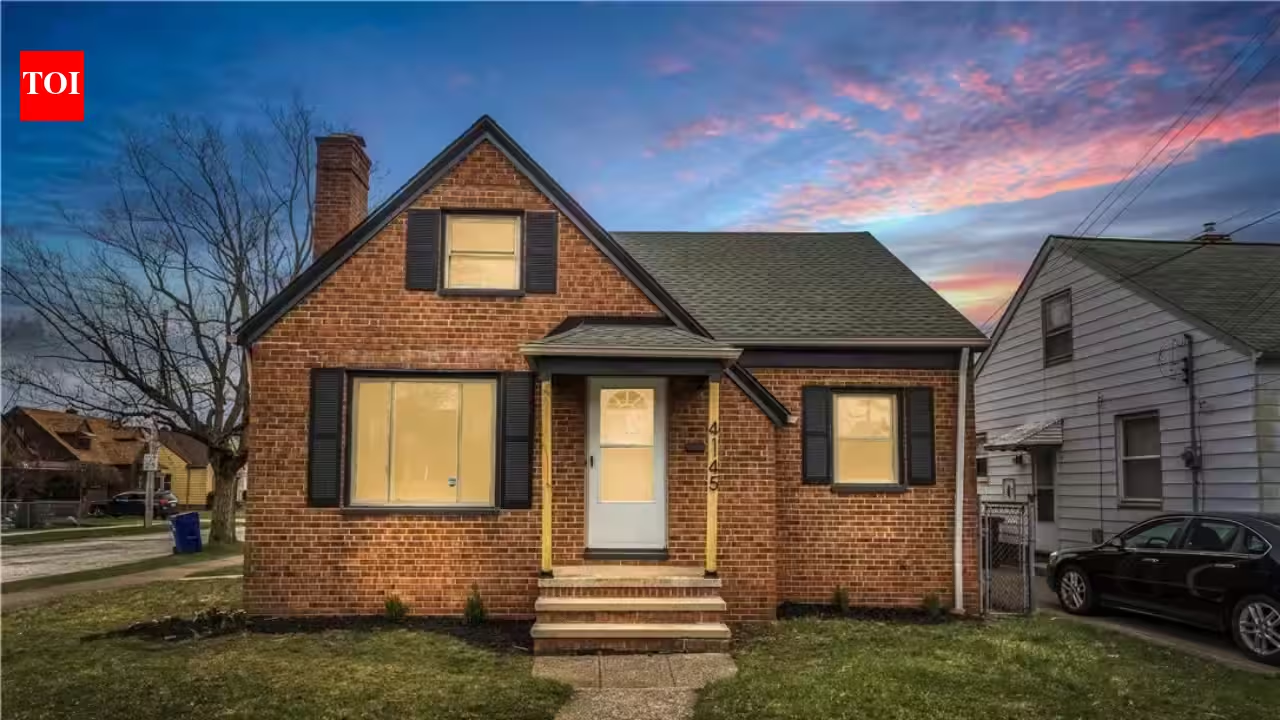
An Ohio appeals court has upheld a local zoning ban on short-term home rentals. The ruling shuts down a property owner’s attempt to run an Airbnb business in a quiet suburban neighborhood of about 140 homes. In a decision issued on 26 October 2026, the Fifth District Court of Appeals of Ohio backed a lower court ruling against home buyer Michael A. Clevenger. The court found that local residential zoning rules legally bar short-term tourist rentals run as a business in single-family zones. The dispute began after Clevenger bought a single-family house in a housing development of about 140 properties in Stark County, Ohio. Soon after he took ownership, he listed the house on online booking sites. He advertised it for short stays to passing guests and vacationers. Nearby residents quickly raised concerns about crowded parking, noise, and safety risks. Local zoning inspectors then issued a formal notice of violation. They said he was running an unapproved business in an area zoned only for single-family homes. Clevenger appealed the enforcement action to the local township zoning board. He then appealed to the Stark County Court of Common Pleas. He argued that renting out the house did not break the zoning code. He said the house was his main home and that he only sometimes hosted guests.
Rejection of primary residence argument
The Fifth District Court of Appeals rejected Clevenger’s arguments one by one. It held that short-term commercial rentals change the basic residential character of a neighborhood. This is true even if the owner sometimes sleeps at the property. The court wrote for its three-judge panel that local township zoning codes exist to protect stable, quiet, low-density living for long-term residents. Court records show that neighbors gave local authorities logs, photographs, and testimony. These described frequent guest turnover, parties, and unfamiliar cars parked along narrow residential streets. The appeals judges decided that advertising a house for paid short stays turns a single-family home into a hotel-style business. That kind of business needs specific commercial zoning approval or a conditional use permit. The property had neither. The court also ruled that the local zoning board acted within its legal powers when it read the township land-use codes. It confirmed that local governments in Ohio have clear police powers to limit short-term rentals. These powers protect neighborhood safety and property values.
Growing legal precedent on short-term rentals
The 26 October ruling adds to a series of similar decisions in Ohio state courts. Those decisions back the right of local towns and township trustees to limit or ban platforms like Airbnb and VRBO in established residential areas. Lawyers for local homeowners argued during court hearings that unmonitored commercial rentals in a subdivision of 140 homes would badly weaken deed restrictions and local land planning rules. Those rules are meant to build long-term community ties. Under Ohio law, township trustees have broad power to define land uses within set zones. Courts have repeatedly held that short-term rentals do not count as normal single-family residential use. This is because guests do not live there permanently or sign long-term leases. The decision makes clear that property owners cannot avoid local short-term rental bans by simply calling a property their personal residence while actively offering rooms to paying travelers. Clevenger can still ask the Supreme Court of Ohio for a discretionary review. However, state legal experts consider it unlikely that further appeals would overturn the settled precedent on local township land-use powers.