

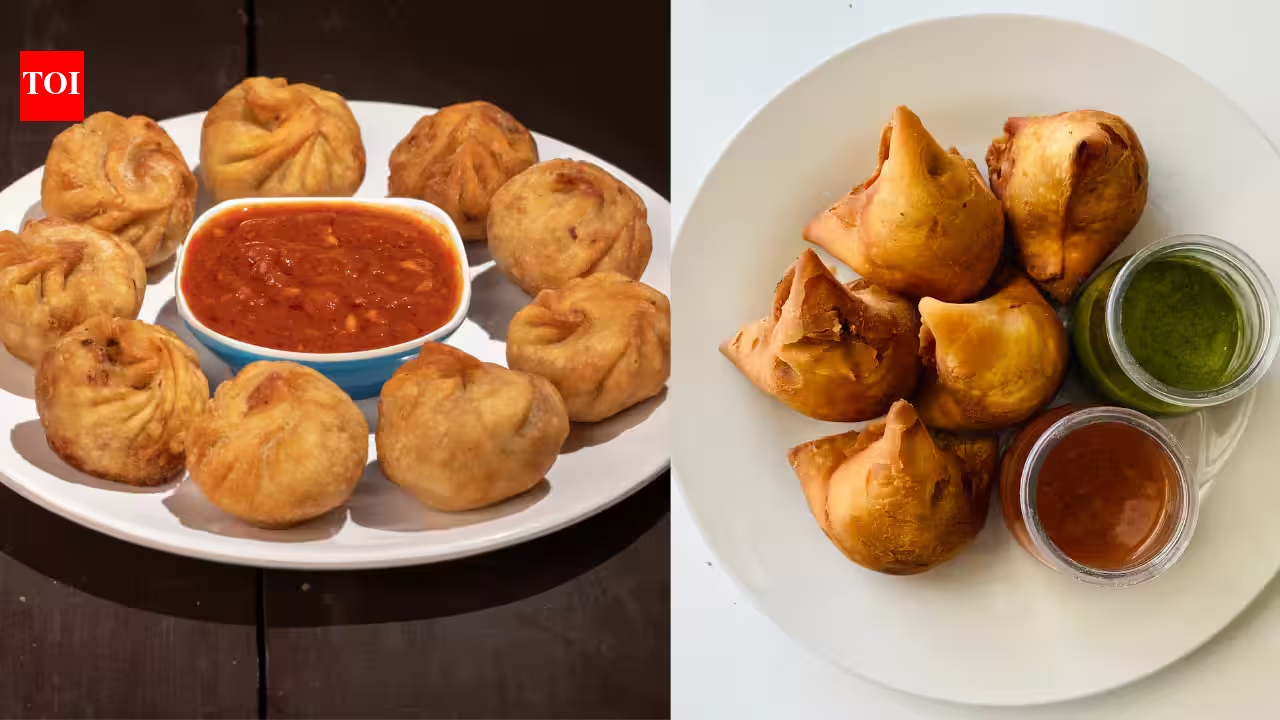
The chutney with your momos may not be so red anymore. The fiery red chutney with your momos and samosas, that watered your mouth before you even had a bite is now getting a makeover.Uttar Pradesh’s Food Safety and Drug Administration (FSDA) is cracking down on food colours and vendors who use them. After prohibited industrial dyes were found in food items,they have issued detailed guidelines on where food colours can be used and where they cannot.
Street food under scrutiny: Chutneys, kebabs and cotton candy

The ban is also on street food favourites like cotton candy and tikkas, kebabs and chaaps.
One of the biggest changes affects street-food favourites, particularly the green and red chutneys served with popular snacks. The new guidelines prohibit adding colours to chutneys and advise vendors to use natural ingredients that can provide similar shades, such as tomatoes, beetroot, coriander and mint.The same restrictions apply to industrial dyes used to give tikkas, kebabs and chaap their bright red appearance. Vendors are advised to use ingredients such as Kashmiri red chilli and degi mirch instead, which contribute both colour and flavour.Cotton candy, popularly known as budhiya ke baal, and ice lollies are also under fire. The use of non-food-grade colours, particularly Rhodamine B, is prohibited. This industrial dye is used to colour textiles and paper and cannot be used as a substitute for food-grade colouring.Small vendors may not always be aware of the risks, as the effects of exposure to these dyes may not be immediately evident. Vendors just walk into a shop and ask for red color without knowing whether it is safe for consumption.
Can artificial colours be used for baking and sweets?

Bakery items are allowed food dye within reasonable quantity.
In the case of baked goods and mithais, vendors can use artificial food dyes, maintaing strict standards are maintained.Under the Food Safety and Standards (Food Products Standards and Food Additives) Regulations, 2011, specified artificial colours are permitted in certain sweets and confectionery, cakes, pastries, biscuits, icing, some dairy products, processed fruits, beverages and savoury snacks.For listed sweets and confectionery, the general maximum limit for permitted artificial colours is 100 mg per kg, subject to category-specific conditions. The same general limit applies to specified bakery products. For processed fruits, the regulations permit up to 200 mg per kg for canned or glazed cherries and 100 mg per kg for other covered processed fruits.These limits are not universal. A colour being approved for use in food does not mean it can be added to every product. For instance, a colour permitted in a cake cannot automatically be used in bread, chutney or another food category. Its use depends on the regulations applicable to that specific product.
How much food colour can vendors use?
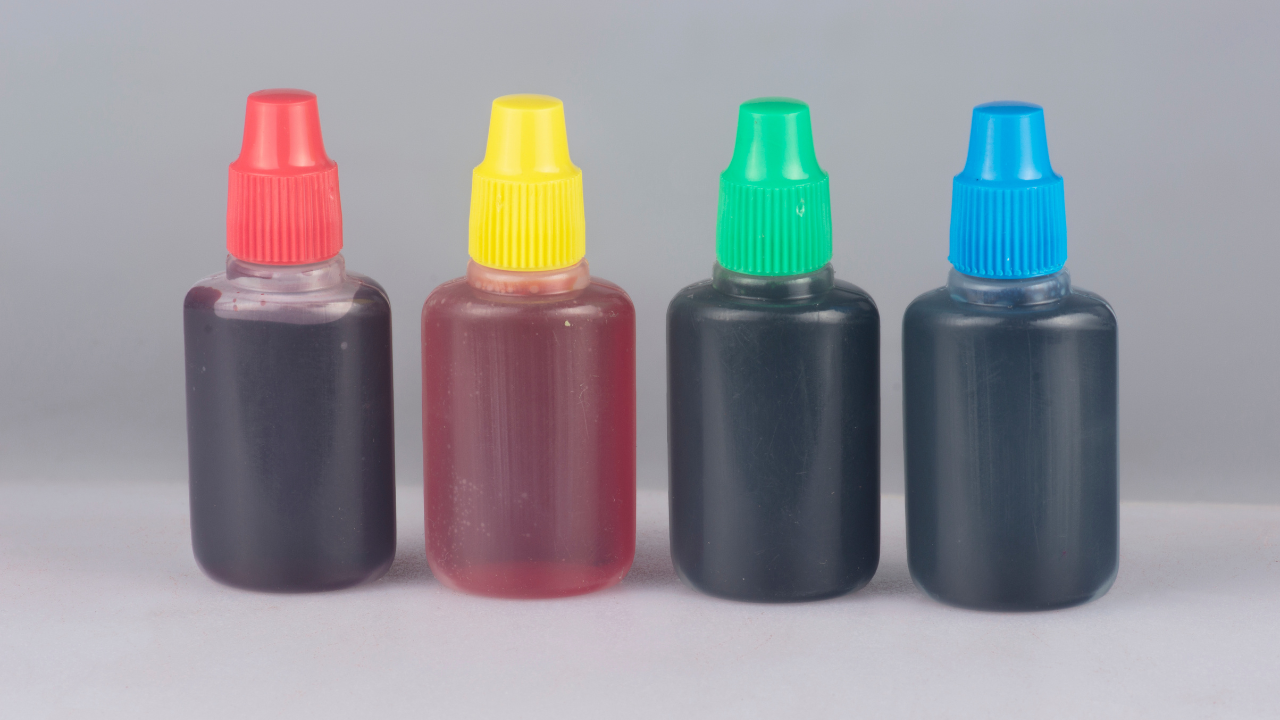
Food dye companies should also follow proper guidelines.
The guidelines also address how food colours must be measured and added. Vendors and food businesses have been instructed not to pour colour directly from an open packet into a cooking vessel or estimate quantities using a spoon or pinch.Instead, they must use a suitable digital weighing scale to measure the amount accurately. If the prescribed quantity cannot be measured, the colour should not be used. Don’t pour from the heart, pour by the spoon.Food businesses must also purchase colours from authorised sources, check product labels and supplier details, and retain purchase bills, invoices and batch numbers for inspection. Unlabelled chemicals and loose colours purchased from open markets or ordinary grocery shops must not be used.Packaged foods must also comply with applicable labelling requirements, including declarations relating to permitted colours wherever required.
What penalties apply for violating food safety rules?
Violation of any of the rules can invite action against the vendor under Food Safety and Standards Act, 2006. Depending on the nature of the violation, the following provisions may apply:Under Section 51, i.e. sub-standard food, penalty of up to Rs 5 lakh may be imposed.Under Section 52, i.e. misbranded food, a penalty of up to Rs 3 lakh may be imposed. The adjudicating officer may also direct corrective action or the destruction of the food.Under Section 59, i.e. unsafe food, penalties depend on the consequences of the violation. Where consumption causes no injury, the punishment may include imprisonment of up to six months and a fine of up to Rs 1 lakh. Where the violation results in death, the Act provides for imprisonment of not less than seven years, which may extend to life imprisonment, along with a fine of at least Rs 10 lakh. The Act also provides for penalties in cases involving non-grievous and grievous injury.The FSDA has directed sweet shops, bakeries, restaurants, hotels, dhabas, food manufacturers and street vendors to comply with the rules. The guidelines are also to be publicised through trade associations and food vendor groups.
What consumers and food vendors need to know
The guidelines aim to prevent the misuse of industrial dyes and ensure that permitted food colours are used within prescribed limits. For vendors, this means checking suppliers, measuring colours accurately and following the rules for each food category. For consumers, an unusually bright colour alone does not establish that a food has been adulterated, but it can be a reason to exercise caution.Ultimately, food colouring rules are not a blanket ban on every artificial colour. They distinguish between colours approved for specific foods and substances that have no place in the food supply. Following those distinctions is essential to making street food, sweets and other everyday favourites safer to consume.