

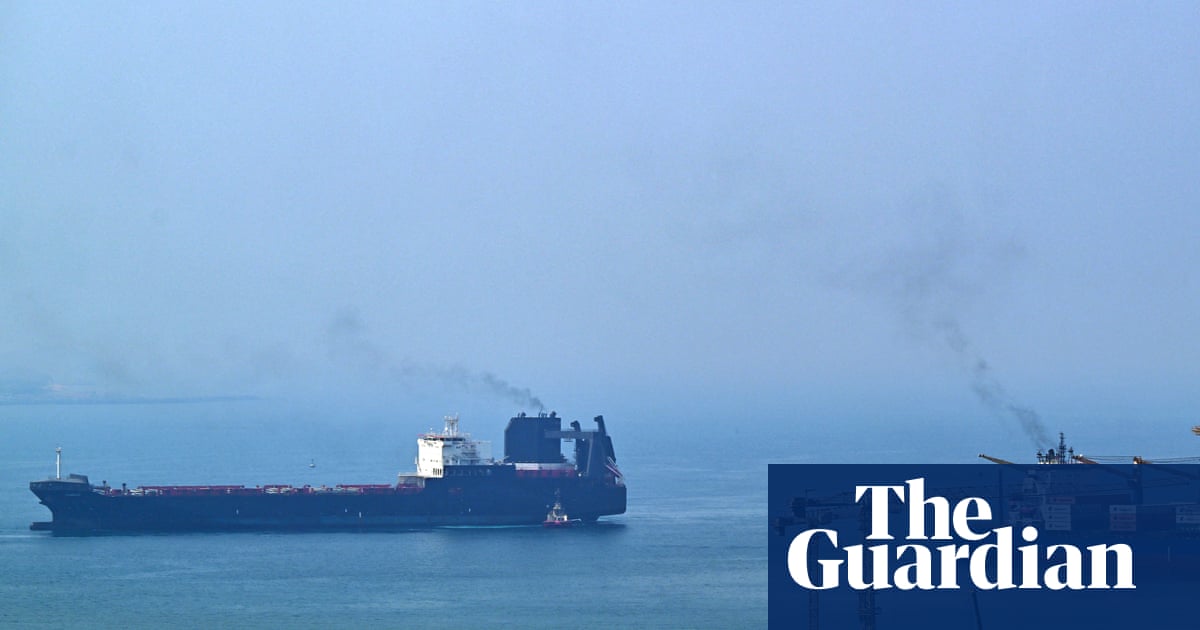
Iran threatens to halt all Middle East energy exports amid renewed US blockade
Tehran shuts strait of Hormuz and carries out retaliatory strikes as Trump threatens to hit civilian infrastructure
Middle East crisis – live updates
Iran has threatened to halt all energy exports from the Middle East after the US reimposed a blockadeof its ports and ships, as the two countries continued to trade strikes for a fifth day, further threatening the interim deal between them
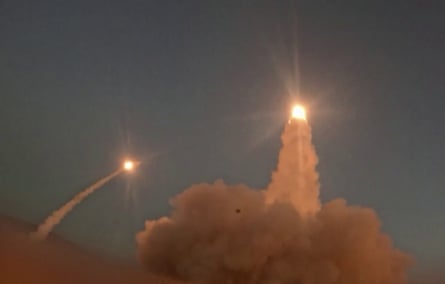
The US blockade came into force early on Wednesday, prompting Iran to shut the strait of Hormuz and carry out a wave of retaliatory airstrikes on countries hosting US bases in the region
“Regional energy exports are either shared by all or denied to all,” Iran’s Islamic Revolutionary Guard Corps (IRGC) said in a statement on Wednesday. It added that the strait would remain closed until the “end of America’s evils”, further disrupting shipping in the waterway that before the war was a choke point for a fifth of the world’s oil and gas
The flare-up in violence and disruption to shipping further drove up the price of oil, with the price of crude on Wednesday continuing to rise past the one-month high reached on Tuesday
The US said Iran had attacked seven commercial ships in the strait last week, with almost a dozen crew members killed, missing or injured. Iran also launched airstrikes on Bahrain, Jordan and Kuwait, countries that host US forces
Jordan said it intercepted three ballistic missiles from Iran on Wednesday, while Kuwait said it was working to extinguish a fire caused by Iranian attacks
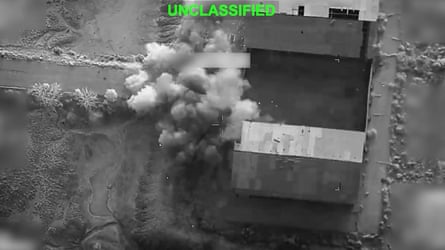
At least 30 civilians have been killed by US strikes in southern Iran in recent days, said the Iranian government spokesperson Fatemeh Mohajerani. At least seven Iranian soldiers were killed in US strikes on the Bampur military base in the south-east of the country
The dispute over the strait threatened to pull the region back into a total war. Donald Trump said he would begin targeting power plants and bridges in Iran if a deal was not reached by next week. Targeting civilian infrastructure without a clear military target could constitute a war crime
“Next week it gets really bad for them because next week comes the power plants. Next week comes the bridges,” the US president said in a Fox News interview on Tuesday. “We’re going to knock out all their power plants. We’re going to knock out all their bridges unless they get to the table and negotiate.”
Trump said US negotiators had been in touch with their Iranian counterparts to tell them to make a deal, while saying the US would save energy targets for last but would ultimately hit them
Trump made similar comments in March, when he threatened to “obliterate” Iran’s power stations and fresh water plants if Tehran did not agree to peace terms “shortly”
US Central Command (Centcom) said the latest strikes were aimed at “degrading Iranian capabilities used to attack commercial shipping” in the strait
Iranian state media reported explosions near the port city of Bandar Abbas, on the Gulf island of Qeshm near the strait, and at other locations
Top House Democrats vow to oppose bid to cut US military aid to Israel
Read more
In response, the IRGC said it had targeted what it described as command-and-control, logistics, fuel and military equipment facilities belonging to the US Fifth Fleet in Bahrain
The Iranian state news agency IRNA said earlier that Iranian forces had launched a drone attack on a military base in Jordan that hosts American warplanes
Trump backtracked from a threat earlier this week that ships would have to pay a 20% fee to the US for “security” in the strait, replacing it with what he described as investment and trade deals with Gulf Arab states
The US president said he had decided to scrap the toll “based on highly productive conversations with Middle East leadership”, and touted “massive” investments, just five hours before the toll was due to come into effect. He said the US would continue to blockade Iranian ports
Prospects for negotiations aimed at securing a permanent truce after a fragile interim ceasefire was signed on 17 June appear increasingly dim. Iran’s deputy foreign minister, Kazem Gharibabadi, said the US decision to renew the blockade “has, in a way, dismantled the Islamabad memorandum”
Explore more on these topicsShare
Reuse this content
