


The cost of a flight has always generally been a simple calculation: ticket price, baggage fees, seat selection, and perhaps a pricey airport coffee. But a new question is emerging: could airlines eventually use passenger data to influence how much people pay?
The idea of “surveillance pricing” – where companies adjust prices based on information they collect about customers – is getting a lot of attention across various different industries. However, in aor bookings, loyalty programmes, and operations, there’s a concern about how far that information could go
What is surveillance pricing?
Surveillance pricing is where personal data and behavioural information is used to determine different prices for different customers. Other industries have experimented with using factors such as browsing habits, purchase history, location, and demand patterns to personalise offers
For airlines, the concept raises some difficult questions. Could a carrier identify that a traveller repeatedly searches for the same route and charge more because they are likely to book? Could frequent business travellers receive different pricing from occasional holidaymakers?
At the moment, there is no widespread evidence that airlines are already routinely setting fares based on individual passengers’ willingness to pay. Airline pricing is already complex, but traditional systems generally focus on factors like demand, seat availability, booking timing, and route performance
That being said, technology for analysing customer behaviour is becoming more advanced, which is why the issue continues to be a talking point
Also read: Is it fair? Delta’s AI fare pricing plan sparks political, consumer backlashAlso read: Is it fair? Delta’s AI fare pricing plan sparks political, consumer backlash
Why do airlines collect so much passenger data?
Arove everything from flight schedules and maintenance planning to security and customer service
When a passenger books a flight, an airline may collect details including contact information, travel preferences, payment details, and loyalty programme activity. Online interactions can also tell a lot about customer behaviour, such as destinations being searched or services being considered
Much of this data has perfectly legitimate uses. Better information can help airlines predict demand, reduce empty seats, manage disruptions, and offer more relevant services
The concern arises when passengers feel they have limited control over how their information is used, especially if data collected for convenience could eventually influence the price they pay
Also read: Dynamic pricing explained: How airlines set ticket prices in real timeAlso read: Dynamic pricing explained: How airlines set ticket prices in real time
Could personalised airline pricing become normal?
Dynamic pricing is already standard in the airline industry. Two passengers sitting next to each other may have paid different fares because they booked at different times or selected different fare categories
The difference with surveillance pricing is the potential level of personalisation. Instead of prices changing mainly because of market conditions, they could theoretically change because of what an airline knows about an individual traveller
This has led to calls for greater transparency. Passengers may accept changing fares, but many would want to know whether their personal information played a role in determining the price
Privacy concerns are becoming an a
The debate around airline surveillance pricing reflects a wider conversation about data privacy. Consumers are increasingly aware that online activity can create detailed profiles, but many are still unsure how those profiles are used
For airlines, maintaining trust will be just as important as improving revenue systems. A back if they believe technology is being used in ways that feel unfair or intrusive
Regulators are also paying closer attention to how companies use personal data, particularly as artificial intelligence and advanced analytics become more common
The future of airline pricing
Airline pricing will almost certainly continue to become more data-driven. That does not automatically mean passengers will face personalised fares based on private information, but it does mean transparency will become increasingly important
The challenge for airlines will be finding the balance between using data to improve the travel experience and making sure customers feel they are being treated fairly
For now, there is no clear sign that passengers are being individually targeted with surveillance-based ticket prices. But as technology moves forward, one question is likely to stay at the centre of the debate. How much should airlines know about their customers before it begins to affect the prices they pay?
Find the latest aviation news right here.Find the latest aviation news right here.
Featured image:Elizaveta | stock.adobe.com
News
Air TransportInnovation & TechnologyAviationDatadynamic pricingFlight ticketsLoyalty programmesPassengersSeatsSurveillance
Sign up for our newsletter and get our latest content in your
inbox.
1
A decade of the Airbus A220: from the Bombardier CSeries to a global success story A decade of the Airbus A220: from the Bombardier CSeries…
Airbus A220
July 12, 2026
2
Collins brings electric thrust reverser test facility online as it looks beyond Airbus A350 Collins brings electric thrust reverser test facility online as it…
RTX
July 11, 2026
3
Which airlines have ordered the Boeing 777X – and who gets it first? Which airlines have ordered the Boeing 777X – and who…
Boeing 777X
July 11, 2026
4
European Parliament approves overhaul of EU air passenger rightsEuropean Parliament approves overhaul of EU air passenger rights
Passenger Rights
July 10, 2026
Related Topics
More from
A decade of the Airbus A220: from the Bombardier CSeries to a global success storyA decade of the Airbus A220: from the Bombardier CSeries to a global success story
July 12, 2026
Which airlines have ordered the Boeing 777X – and who gets it first?Which airlines have ordered the Boeing 777X – and who gets it first?
July 11, 2026
European Parliament approves overhaul of EU air passenger rightsEuropean Parliament approves overhaul of EU air passenger rights
July 10, 2026
Air Zimbabwe to relaunch non-stop London flights Air Zimbabwe to relaunch non-stop London flights
July 10, 2026
Collins brings electric thrust reverser test facility online as it looks beyond Airbus A350Collins brings electric thrust reverser test facility online as it looks beyond Airbus A350
July 11, 2026
eVTOLs and next-generation aircraft to watch at Farnborough International Airshow 2026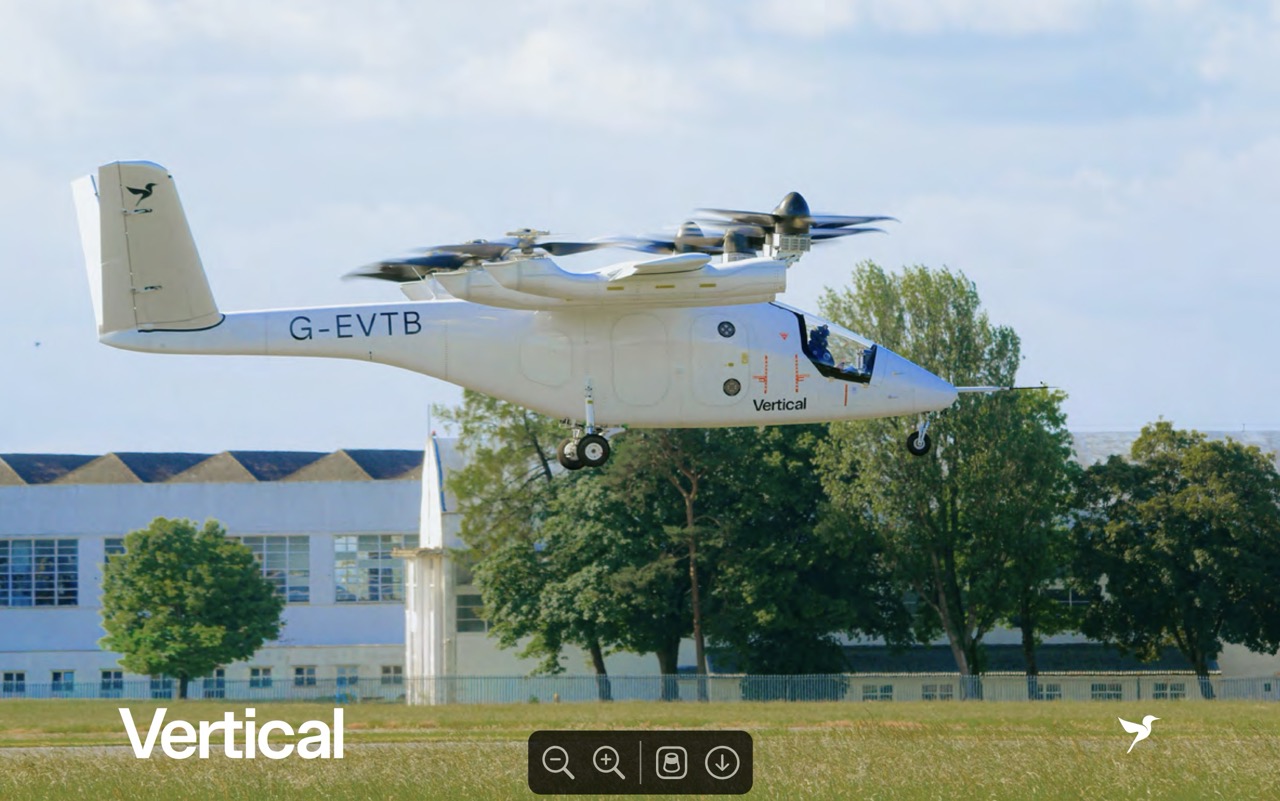 eVTOLs and next-generation aircraft to watch at Farnborough International Airshow 2026
July 10, 2026
RAF to receive upgrades across entire Typhoon fleet in £5.4 billion programme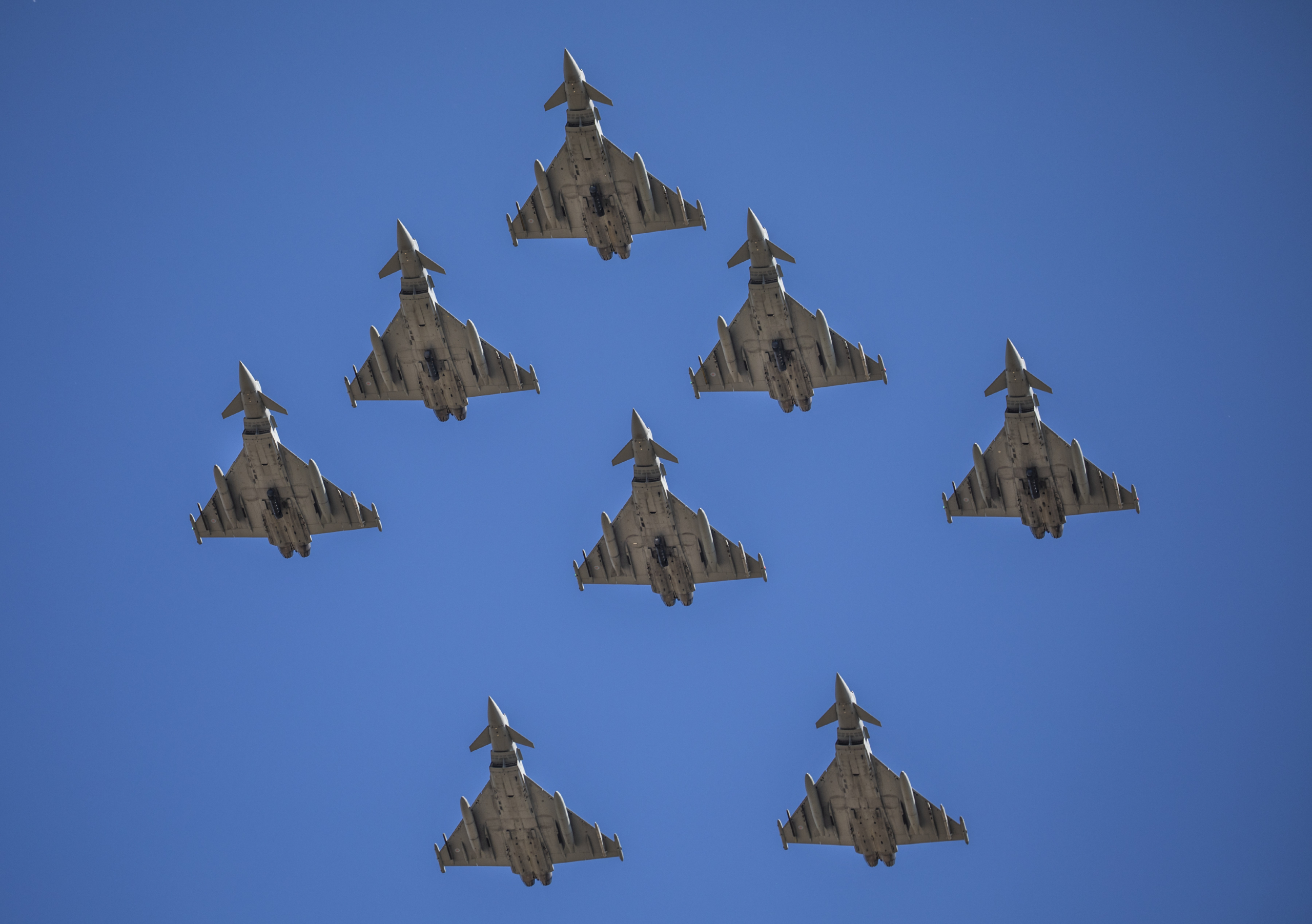 RAF to receive upgrades across entire Typhoon fleet in £5.4 billion programme
July 10, 2026
The world’s first commercial vertiport for eVTOLs and air taxis has been certified in Dubai The world’s first commercial vertiport for eVTOLs and air taxis has been certified in Dubai
July 9, 2026
Horizon Aircraft picks BETA flight control system for Cavorite X7 hybrid VTOL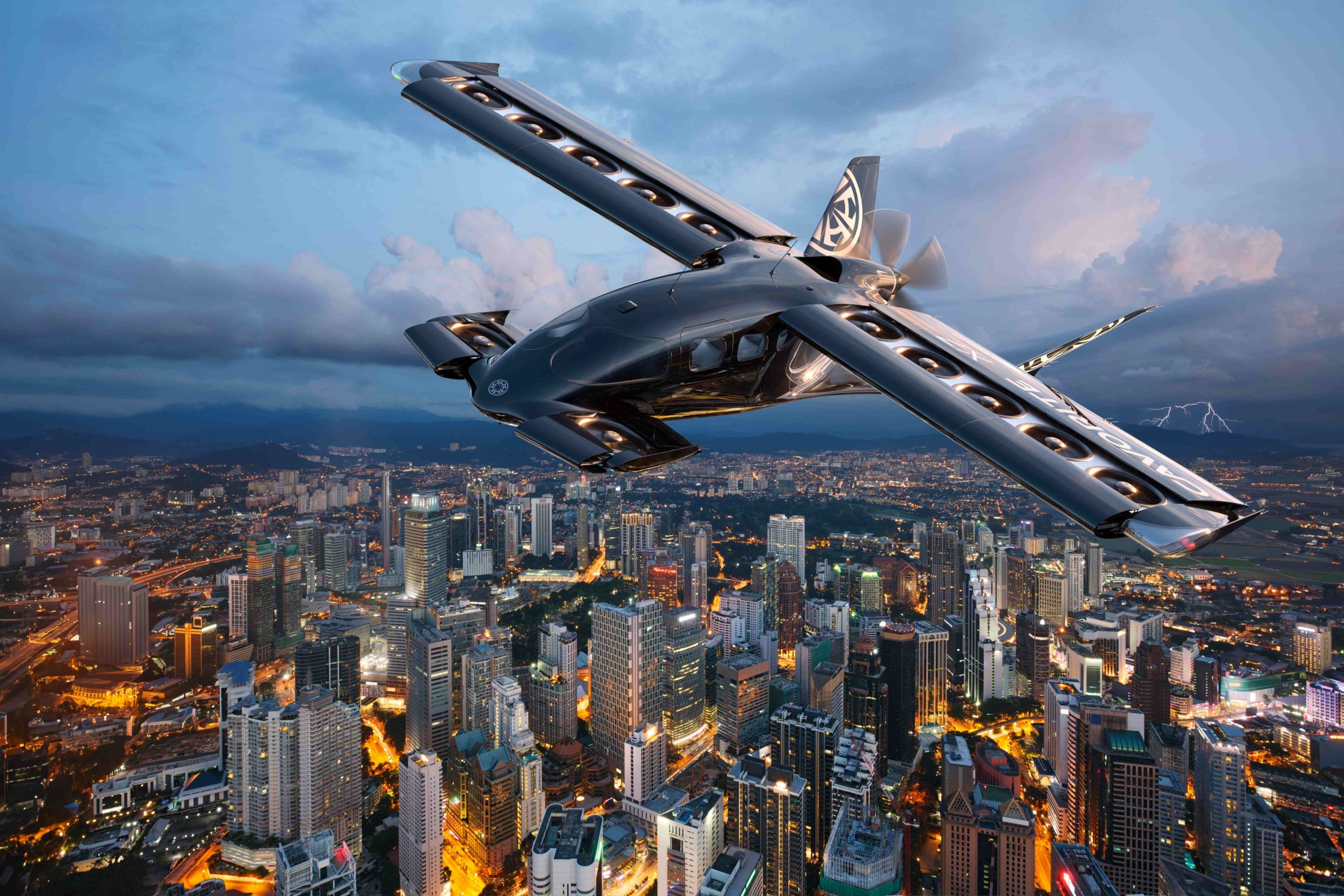 Horizon Aircraft picks BETA flight control system for Cavorite X7 hybrid VTOL
July 9, 2026
UK aerospace and defence sectors add £46.8bn as aircraft backlog growsUK aerospace and defence sectors add £46.8bn as aircraft backlog grows
July 9, 2026
Airbus says changing airline networks will reshape aircraft demand to 2045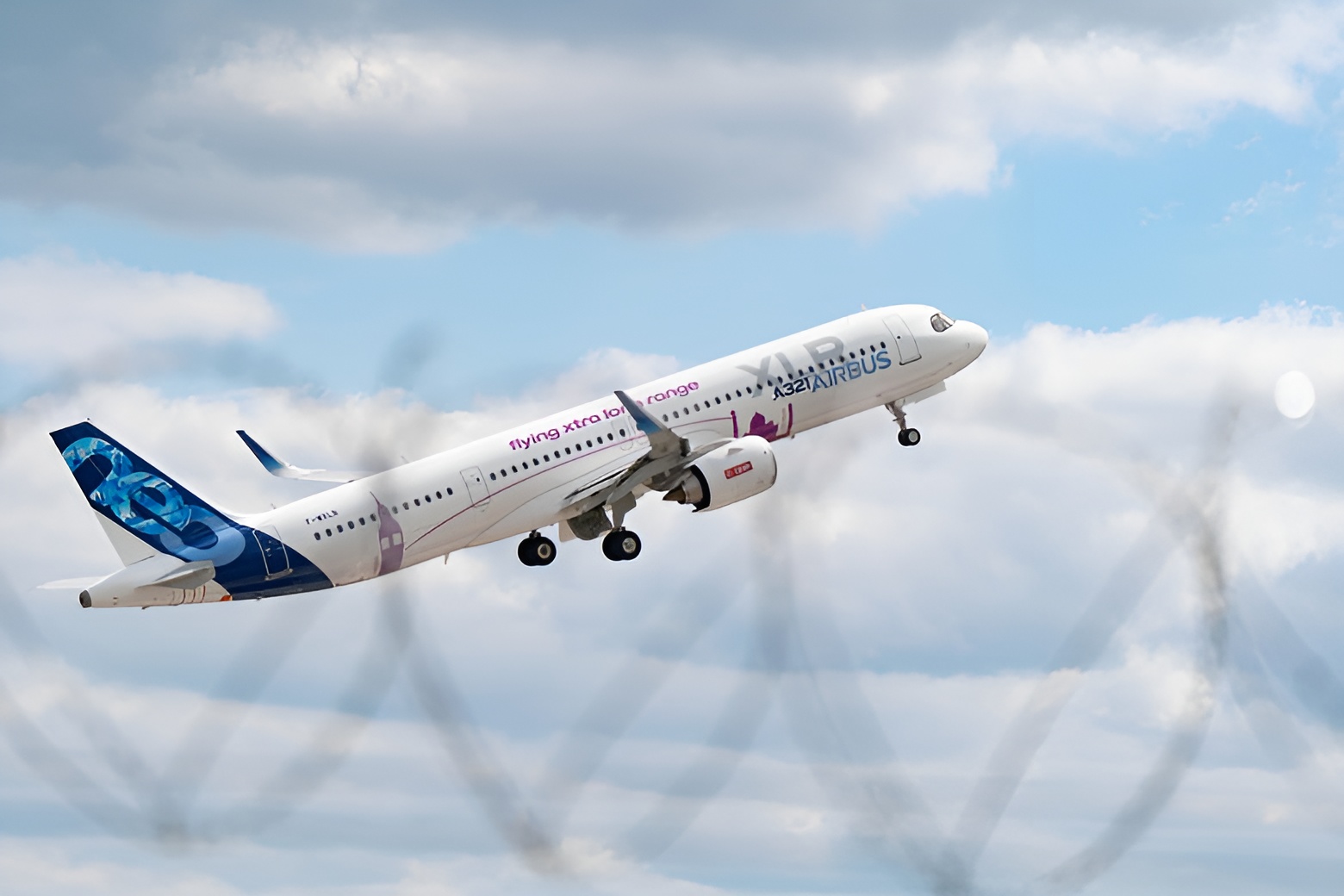 Airbus says changing airline networks will reshape aircraft demand to 2045
July 8, 2026
Boeing starts up new 737 MAX final assembly line at Everett Boeing starts up new 737 MAX final assembly line at Everett
July 7, 2026
Collins brings electric thrust reverser test facility online as it looks beyond Airbus A350Collins brings electric thrust reverser test facility online as it looks beyond Airbus A350
July 11, 2026
eVTOLs and next-generation aircraft to watch at Farnborough International Airshow 2026eVTOLs and next-generation aircraft to watch at Farnborough International Airshow 2026
July 10, 2026
Gulfstream and Rolls-Royce show 100% SAF cuts contrails at 50,000 feet Gulfstream and Rolls-Royce show 100% SAF cuts contrails at 50,000 feet
July 8, 2026
Airbus and MTU plan hydrogen fuel-cell propulsion venture for future aircraft Airbus and MTU plan hydrogen fuel-cell propulsion venture for future aircraft
July 8, 2026
