

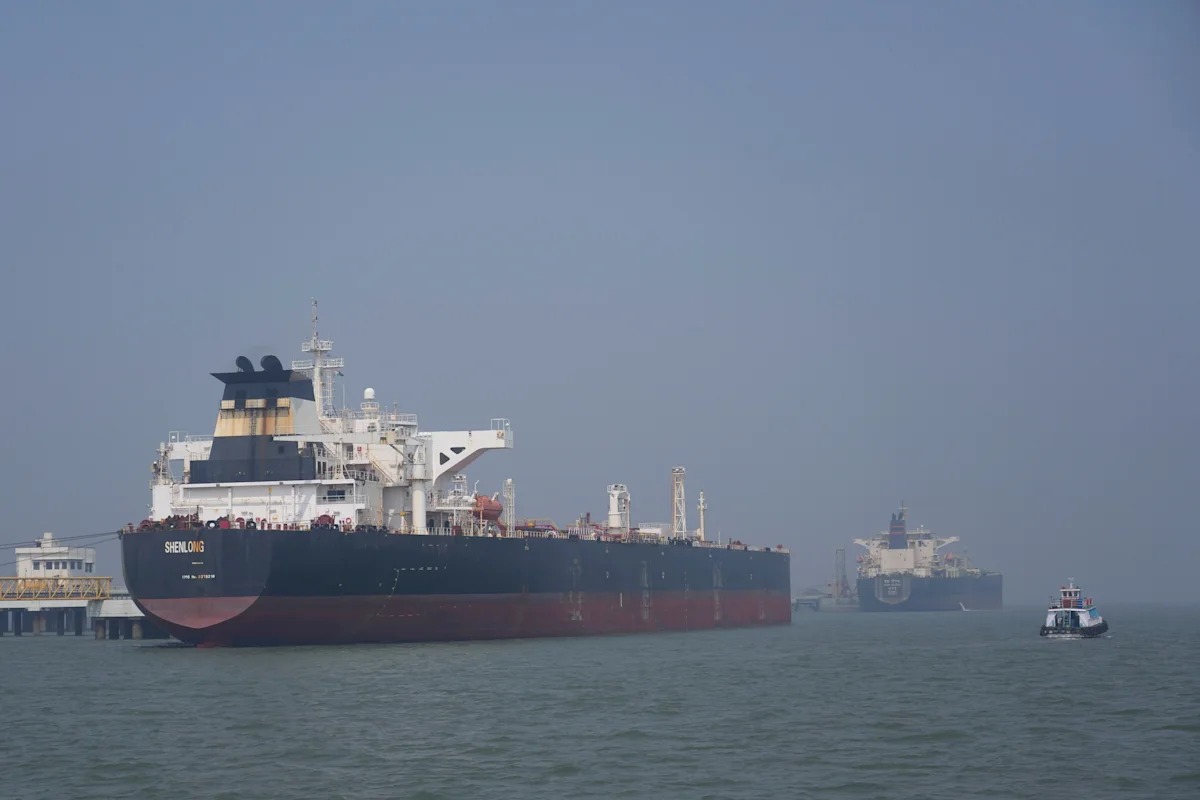
Strait of Hormuz traffic is constrained again, but analysts say ‘the world has adapted’
Ben Werschkul· Washington Correspondent
Updated Sat, July 11, 2026 at 12:28 AM GMT+5:30
4 min read
- BZ=F
-0.38% - CL=F
-0.93%
Days of attacks and counterattacks between the US and Iran cut traffic in the Strait of Hormuz by more than half this past week, but the economic ripples — so far, at least — haven’t been quite as dramatic
Futures for international oil benchmark Brent crude (BZ=F) remain far off the $100 levels seen from March through May. The story has been similar in US-benchmark WTI crude (CL=F), which jumped this week but then quickly retreated below its 200-day moving average
Meanwhile, US equity markets often looked past Middle East tensions to post gains, often fueled by other drivers such as AI prospects
This brush-off comes despite an array of actions that would typically be expected to unsettle markets, from the US revoking Iran’s license to sell oil free of sanctions to Trump musing about reimposing a blockade and even seizing Kharg Island
The difference, according to analysts: Energy markets are increasingly prepared to adapt to energy shocks from the Middle East
“The broader economic damage could be smaller than feared,” Dan Alamariu of Alpine Macro, an investment research firm that is part of Oxford Economics, wrote on Thursday. “The world has adapted.”
Alamariu noted that export routes have been rerouted over the past four months, and oil-importing countries like China have shown the ability to cut demand faster than expected.
The global economy might not get off scot-free, Alamariu cautioned, suggesting that oil prices could again approach $100 per barrel if the renewed fighting escalates and persists for multiple months
Fears of an oil glut may be replaced with some renewed worries about global oil inventory levels, Tobin Marcus of Wolfe Research added in his own note. But the bottom line for investors is that while “the risks of a more severe escalation have risen, the base case remains manageable.”
“Everything has moved in the expected direction … but the magnitudes of those moves have been fairly modest,” Marcus wrote
Indeed, part of the muted reaction could also be attributed to the fact that the three-week ceasefire saw significant outflows of oil into world markets
President Trump often focused on that in recent days and downplayed the chances of another oil shock, acknowledging at a press conference this past week that prices are up because of the attacks.
“This will be over very quickly,” he quickly added. “We have an oil glut right now” because of the ships that passed through the crucial waterway in recent weeks
