

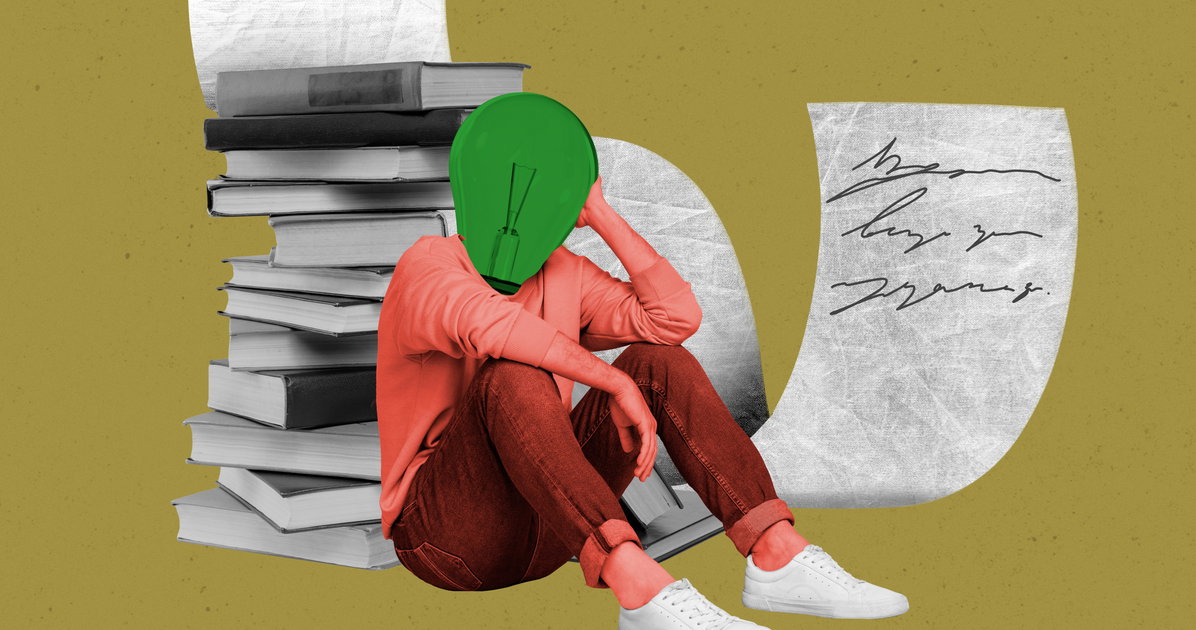
If you know anything about the history of the printing press, you know it was one of the most important steps in empowering citizens from stepping back from the church’s arbitrary teachings and starting to think for themselves
Before the great pamphlet/zine revolution of the early 1500s, most people got their news (and gossip) from person to person, or from religious institutions that preferred constituents to stay illiterate and ignorant. There were plenty of books being published, but they took time to produce and weren’t as broadly distributed as they might have been. When one metal worker created a way to quickly disseminate bite-sized materials—and even longer works, like Bibles—to the masses, people wanted to be in the know. What started was a new relationship to knowledge, skepticism, and individual thought that jumpstarted the golden age of learning we now call The Enlightenment.
We bet you remember Gutenberg and his printing press from your history classes, but what was the key to its success? #printingpress#gutenberg#inventions
Now, we seem to be traveling backwards. A new report from The Atlanticstares into the abyss of the ongoing American literacy crisis, and it’s not an exaggeration to say that it spells doom for all of us. In at least one sense, the doom is already here
Reading has been on the decline among Americans for at least two decades now, but the numbers are nonetheless stark. Research from 2022 showed that fewer than half of American adults read a book for fun that year. In 2004, the percentage of people who read for pleasure was at about 28 percent. By 2023, it dropped to 16 percent. Those who do read aren’t able to read as critically as before, especially if they’re reading on their phones, where notifications place readers in the line of constant distraction.
Even in schools, being forced to read (which is also happening less and less) is no guarantee of being able to process written text in a deep way. We know that college students often arrive at universities without the ability to critically read a book, and that younger students who learney would be if they read the information in a book or article
We can see the impact everywhere, but nowhere more than on Netflix, where “ambient TV” has taken over, along with other popular media. A recent TikTok about the new Love Island series points out in painfully depressing terms exactly how easy it is for people to have a high school and even college education but not know how to properly use a word or phrase in conversational context
The literacy crisis is real, and Love Island is the ‘epitome’ of it. But what’s behind it — and what can we actually do to fix it?
You might assume this phenomenon affects younger generations most of all, but that’s not the case. “The decline in reading cuts across age groups, gender, and education levels,” the Atlantic reports. “Even the demographics that traditionally read the most—retirees, women, and college graduates—have seen a collapse.”
The “whys” are fairly obvious. A declining education system, shorter attention spans, and a diversity of visual, short form news and media go out of their way to do, a chore that takes up more time and energy than it’s worth. But the result, as we’re seeing, is not only sad, but dangerous
As queer people, we owe so much of our liberation to the written word. Before there were queer films, there were queer books and queer writers who used language to speak to their true audience without getting caught by the straight people eager to put them in jail for any number of perceived “moral” offenses. Before gay liberation, your reading taste could help you find others who were like you, as well as your interest in any number of covert queer zines and periodicals like Lisa Ben’s “Vice Versa”and Lou Sullivan’s FTM International newsletter.
If we want to zoom out even further, reading helped free the broader culture from the dictates of the church, a historically anti-LGBTQ+ force that wanted to keep users illiterate so they wouldn’t be able to actually read the Bible and see what it actually says
https://www.youtube.com/watch?v=kDOGMM9IaT0u0026t=115s
This spirit is obviously alive and well in Tr*mp’s America, where claims of “fake news” and “alternative facts” have helped delegitimize the idea of journalistic reporting since his first term. The less stock we put into the written word, the more we suffer, both as queer people and as a nation
So what’s the solution, exactly? Is there one? Not really, aside from the obvious; limiting screen time and trying to find ways to stretch our attention spans away from screens. But there’s also some slightly more optimistic news
Bookstores, both independent and of the big box varieties, have been making a comeback. With the rise of “dumb phones” and Gen Zers eager to reclaim their relationship to the analog world, we could be seeing a smaller number of readers in the future, but those readers could be more committed to the practice. Reading might be “optional” in a “post-literate” culture that no longer values a certain kind of intelligence, but it’s still important to those who love it
“Readers spend more time reading each day than they did two decades ago,” the piece explains. “They appear to be even more passionate about print than their predecessors. But the people devoted to text, who derive cultural understanding and intellectual connection from the written word, are now part of a subculture.”
The future predicted by Fahrenheit 451 might have all but come to pass, but that book’s message remains as crucial as ever: those who care about reading will always care, and with luck, we’ll be able to impress that care on to future generations
Sign up for the Queertynewsletter to stay on top of the hottest stories in LGBTQ+ entertainment, politics, and culture.
Don’t forget to share:
